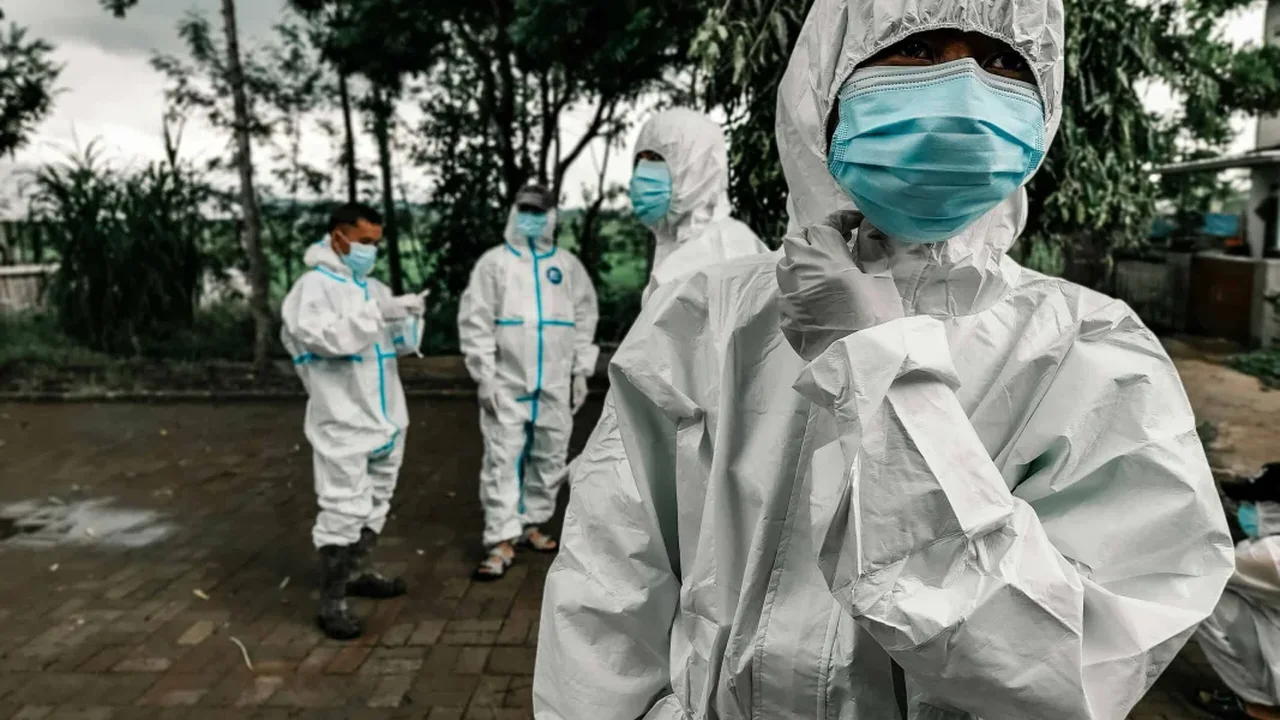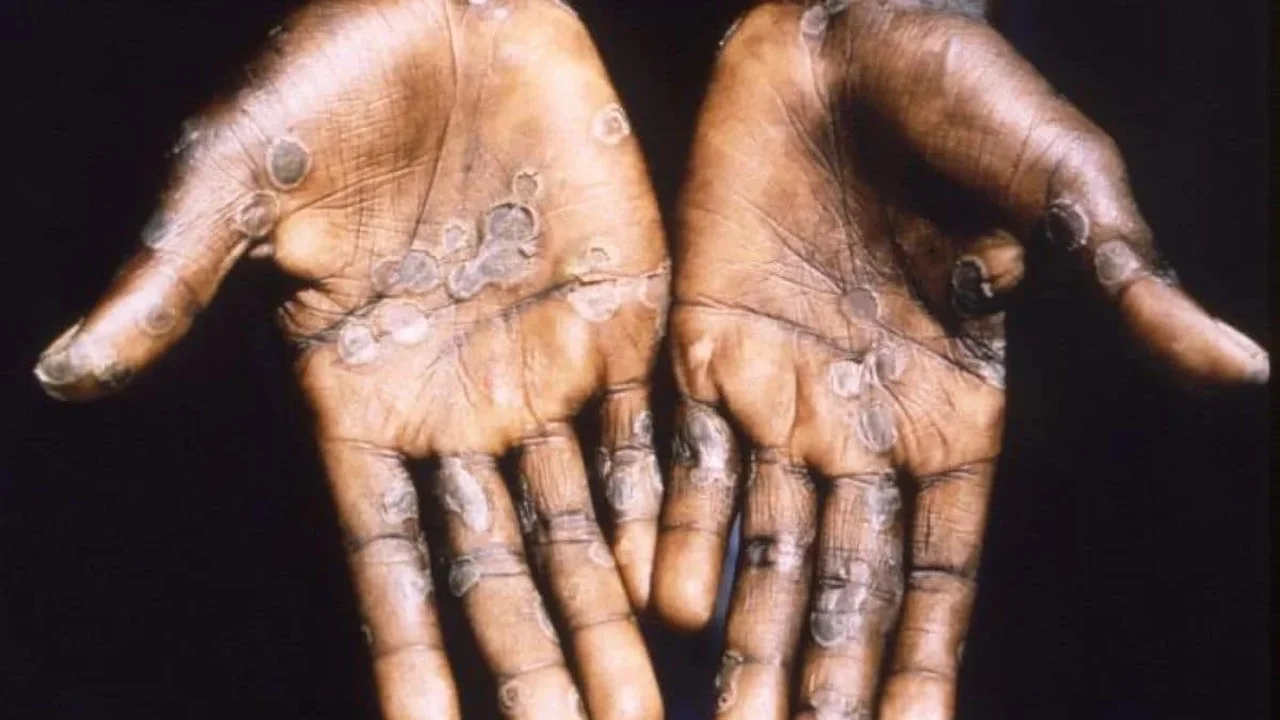
Mpox is once again drawing global attention, this time with Guinea-Bissau reporting its first known outbreak: 58 suspected cases and 10 confirmed infections, according to the World Health Organization. The confirmed cases were adults, and sequencing linked the virus to clade IIb strains seen in parts of West Africa.
Why the Virus Returns
Researchers say mpox persists because it spreads through close contact rather than casual exposure, making transmission highly dependent on human behavior and living conditions. The virus can move through skin-to-skin contact, prolonged face-to-face interaction, sexual contact, or contaminated fabrics, and animal reservoirs may also help reintroduce it after local outbreaks fade.
Another factor is immunity. Routine smallpox vaccination ended decades ago, and that removed a layer of cross-protection against related orthopoxviruses. As a result, younger generations now include many people with no prior immunity, giving mpox more room to circulate when conditions allow.
Scientists also note that the virus is evolving in ways that deserve close study. Although mpox is a DNA virus and usually changes slowly, the lineage linked to the 2022 outbreak showed an unexpectedly large number of mutations. Some appear to reflect the activity of human antiviral enzymes such as APOBEC3, which can alter viral DNA during transmission.
Surveillance Matters
The Guinea-Bissau situation also highlights the importance of testing and monitoring. Early reports suggested many possible cases in children, but later confirmation showed that all confirmed infections were adults and the pediatric suspicions tested negative. That gap shows how easily transmission can remain hidden when surveillance is incomplete.
Mpox is now understood as a virus that can reappear when immunity, contact patterns, and detection systems align in its favor. Better sequencing, faster diagnosis, and broader public health readiness may help scientists track its movement more precisely in the years ahead.