Some illnesses fade from public conversation long before they disappear from the world. A closer look at global health data shows that several historic diseases are still active today, sustained by uneven access to care, vaccination gaps, and fragile infrastructure.
Old Diseases, Present-Day Reality
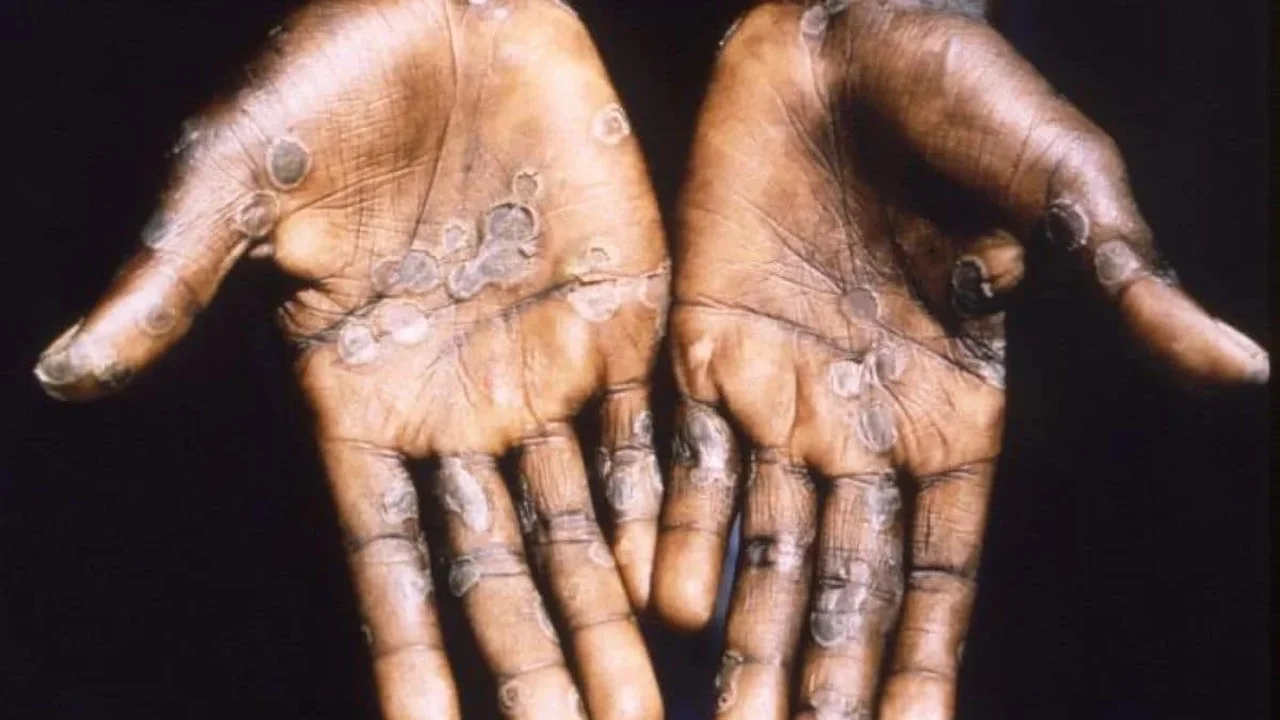
Leprosy, also known as Hansen's disease, remains reported in more than 120 countries. New cases continue to appear each year, including among children, even though antibiotics can cure it. Stigma still delays diagnosis in many communities.
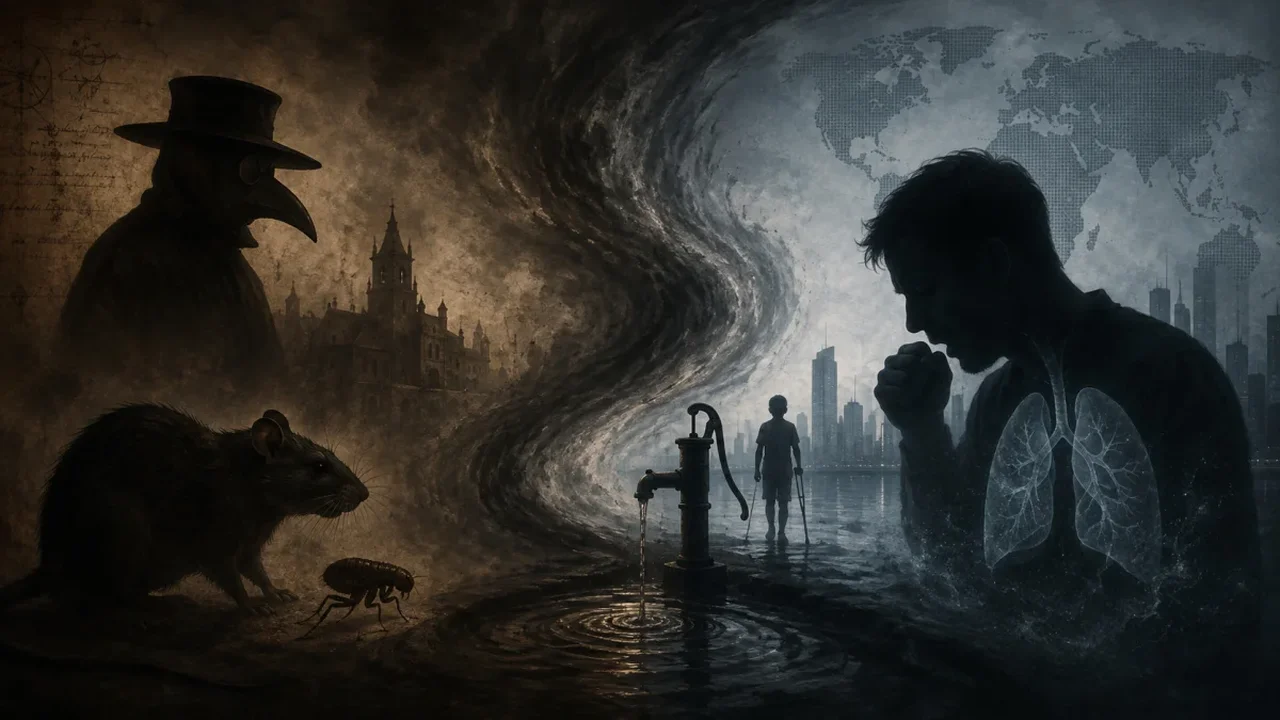
Plague survives in animal reservoirs and still appears in parts of Africa, the Americas, and the United States. Modern treatment has made it manageable, but rapid diagnosis remains essential.
Polio has been reduced by more than 99% thanks to vaccines, yet it has not been fully erased. Wild poliovirus still circulates in Afghanistan and Pakistan, while vaccine-derived variants can emerge where immunization coverage is too low.
Diphtheria also persists when vaccination weakens. Global case reports remain significant, showing how quickly a preventable disease can return when routine immunization and booster coverage fall behind.
Cholera continues to spread where safe water and sanitation are limited. The disease can be treated quickly, but its wider spread reflects the importance of clean water systems and resilient public health infrastructure.
Tuberculosis remains the world's most widespread deadly infectious disease. It spreads through the air, requires long treatment, and still leaves millions undiagnosed each year.
Sleeping sickness, transmitted by the tsetse fly, has dropped sharply thanks to mobile screening and treatment programs. Even so, remote regions still make elimination difficult.
Guinea worm disease has been pushed to the edge of extinction through community-based prevention, water filtration, and surveillance, despite the absence of a vaccine or cure.
Trachoma also shows how prevention changes outcomes. Surgery, antibiotics, hygiene, and sanitation have helped many countries eliminate it as a public-health problem, though it remains endemic in some regions.
These diseases underline a simple truth: medical progress is powerful, but it only lasts when prevention, access, and public trust reach everyone. That balance will likely define the next chapter of global health.