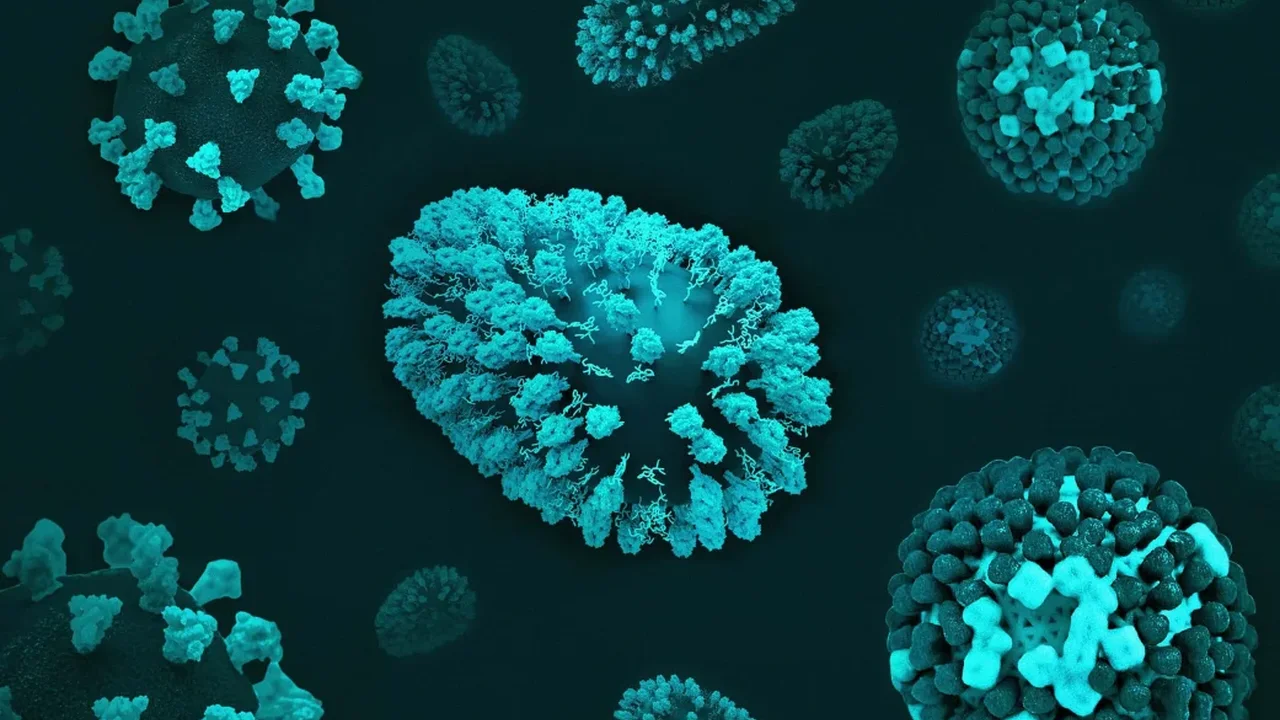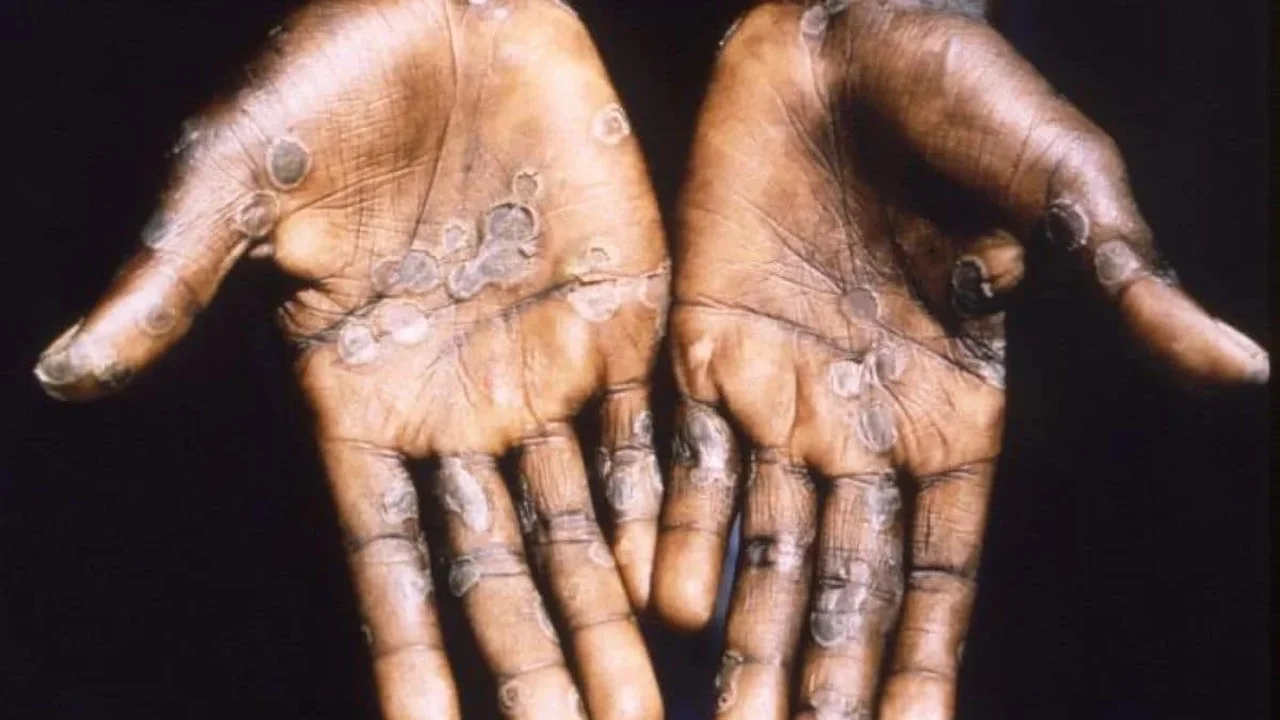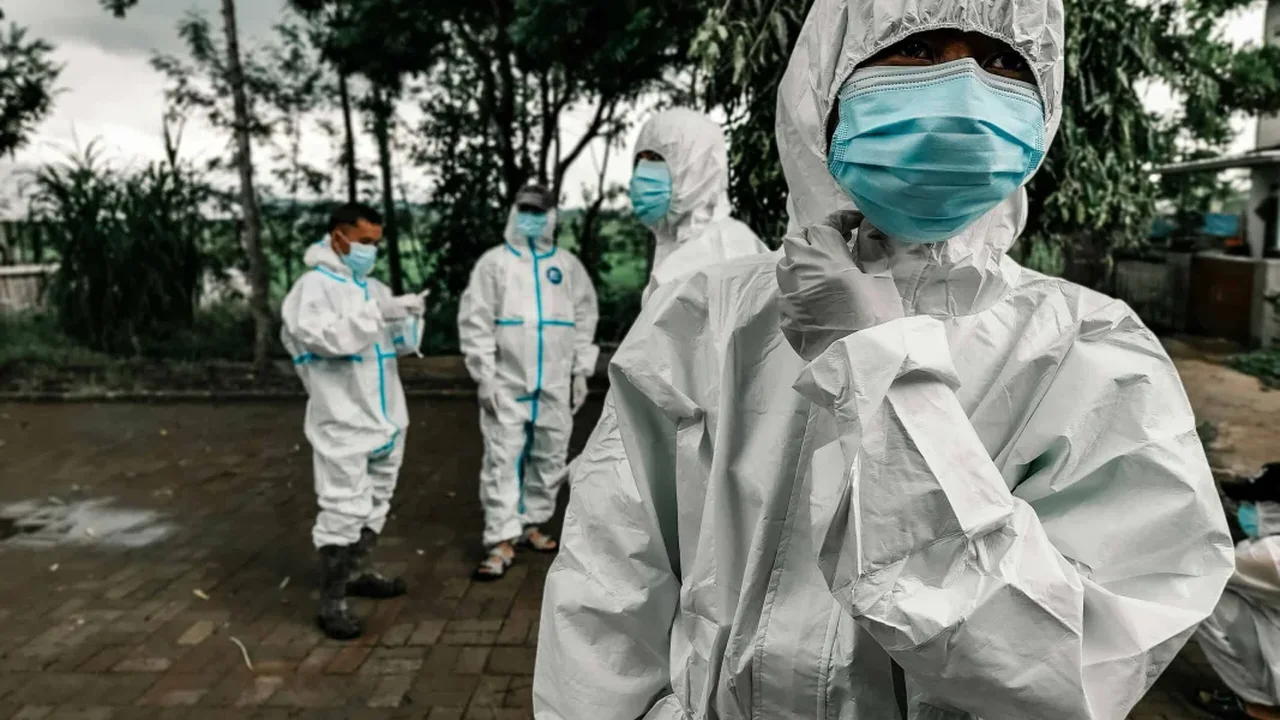
Ebola has returned to the global health conversation after new cases crossed from the Democratic Republic of the Congo into Uganda, prompting the World Health Organization to declare a Public Health Emergency of International Concern.
Scientists say the bigger story is not only the outbreak itself, but the conditions that make spillover more likely. A large share of human infectious diseases are zoonotic, and many emerging threats begin when wildlife, people, and changing landscapes come into closer contact.
Why spillover happens
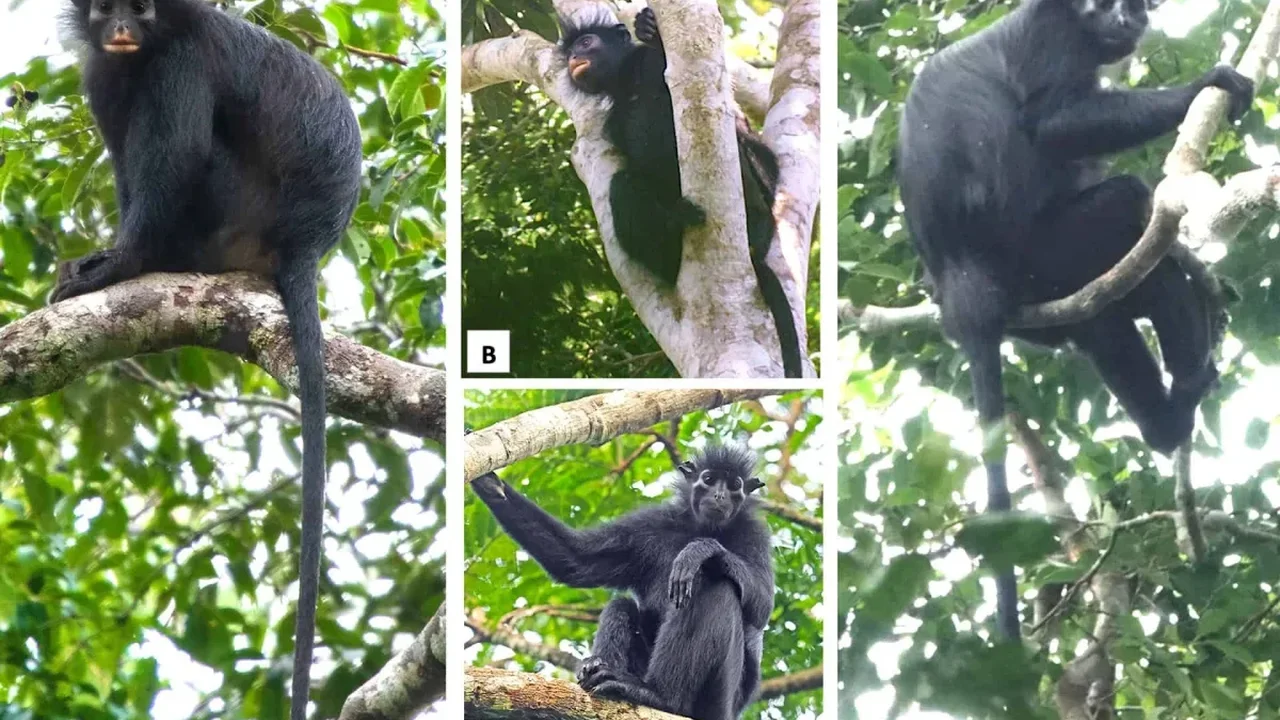
Fruit bats are considered a natural reservoir for Ebola, while other animals such as primates and several forest species can help carry the virus closer to humans. Hunting, trading, and handling wildlife in markets or informal supply chains increase the chance of transmission, especially when animals are transported, confined, and slaughtered under stressful conditions.
Habitat loss adds another layer of risk. Forest fragmentation caused by logging, mining, road building, and agricultural expansion can push people deeper into ecosystems that were once less disturbed. Researchers have repeatedly linked these landscape changes with Ebola hotspots.
Prevention is the key shift
Current concerns are amplified by the fact that the Bundibugyo strain has no approved vaccine or targeted therapy, and routine diagnostics may miss cases. That makes early prevention even more important than reactive response.
Public health experts and biodiversity researchers increasingly point to a shared solution: protect forests, reduce commercial wildlife exploitation, and limit high-risk human-animal contact. The One Health approach, now recognized in the WHO Pandemic Agreement, frames human, animal, and ecosystem health as one connected system.
The lesson is clear: stronger prevention strategies can help safeguard both communities and biodiversity, while also lowering the cost of future outbreak response. In the years ahead, this approach could reshape how the world prepares for emerging diseases.