Scientists have formally identified a previously unknown monkey species in the Democratic Republic of the Congo, a reminder that even in the 21st century, the natural world still holds major discoveries.
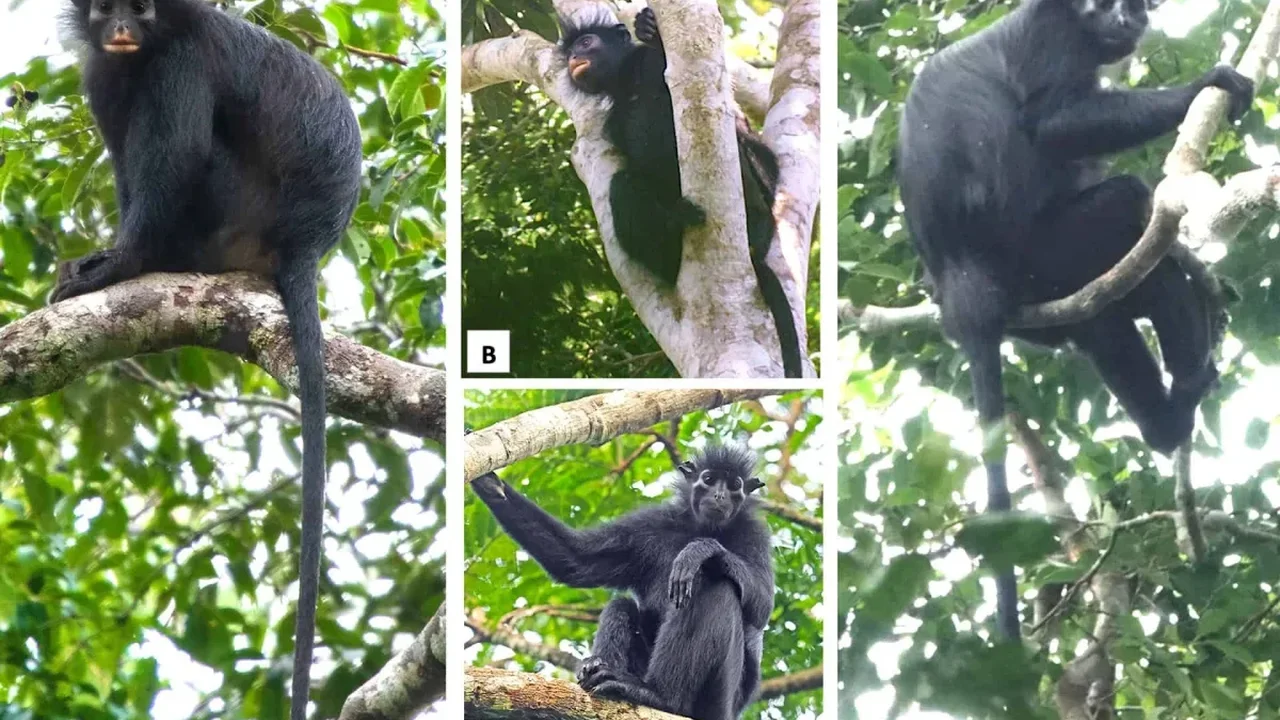
Named Colobus congoensis and proposed locally as Likweli, the small black primate was described after more than a decade of fieldwork by an international research team. The species stands out for its orange-cream facial markings, glossy dark fur, and a white patch beneath the tail.
A rare find in a familiar animal group
New monkey species are exceptionally uncommon because primates are among the best-studied mammals. Yet surveys in the Congo Basin revealed that Likweli had gone unnoticed for years in and around Lomami National Park, where its known range covers only about 1,700 square kilometers.
The first clue appeared in 2008, when conservationists photographed an unfamiliar monkey high in the canopy. A clearer sighting followed in 2018, and repeated observations over the next several years confirmed that the animal was not matching any known local species.
Researchers eventually gathered evidence from multiple angles: field observations, vocal recordings, skull and tooth comparisons, skin samples, and DNA analysis. Together, those findings showed that Likweli is distinct from other colobus monkeys. Its closest known relative, the black colobus, lives more than 1,200 kilometers away, and genetic data suggest the two lineages split millions of years ago.
The species is also unusually small for its genus, with adults weighing around 7 kilograms. Its calls, body shape, and facial pattern all helped separate it from related monkeys.
Why the discovery matters
Researchers say the find highlights both the scientific richness of the Congo Basin and the value of local expertise. Congolese field teams, park patrols, and nearby communities played a central role in documenting the animal.
Because Likweli appears to live in a limited area, the study authors recommend a provisional Endangered status and call for careful protection of its habitat. More surveys are still needed to understand its population size, diet, and behavior.
In the years ahead, discoveries like this could deepen our understanding of biodiversity and strengthen efforts to protect species before they become truly known to the world.