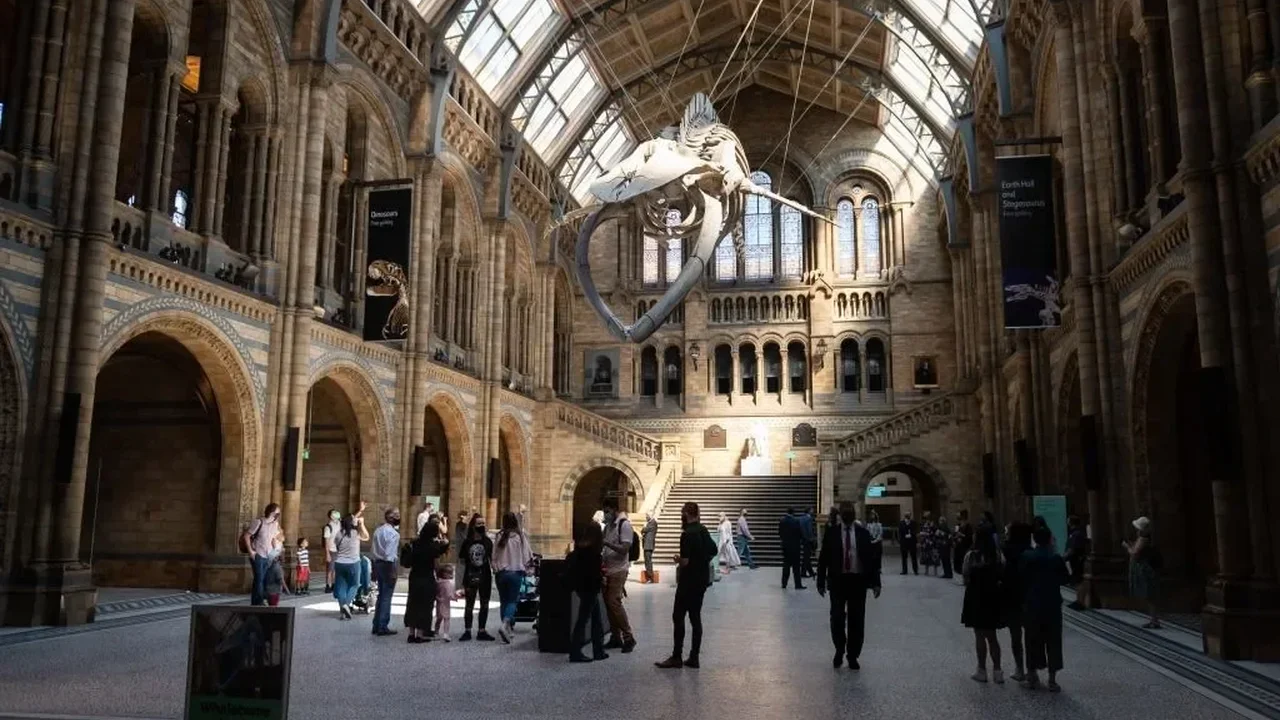
A skull fragment kept in London's Natural History Museum for about a century has been identified as a new species of predatory dinosaur--and the first confirmed megaraptoran found in Europe.
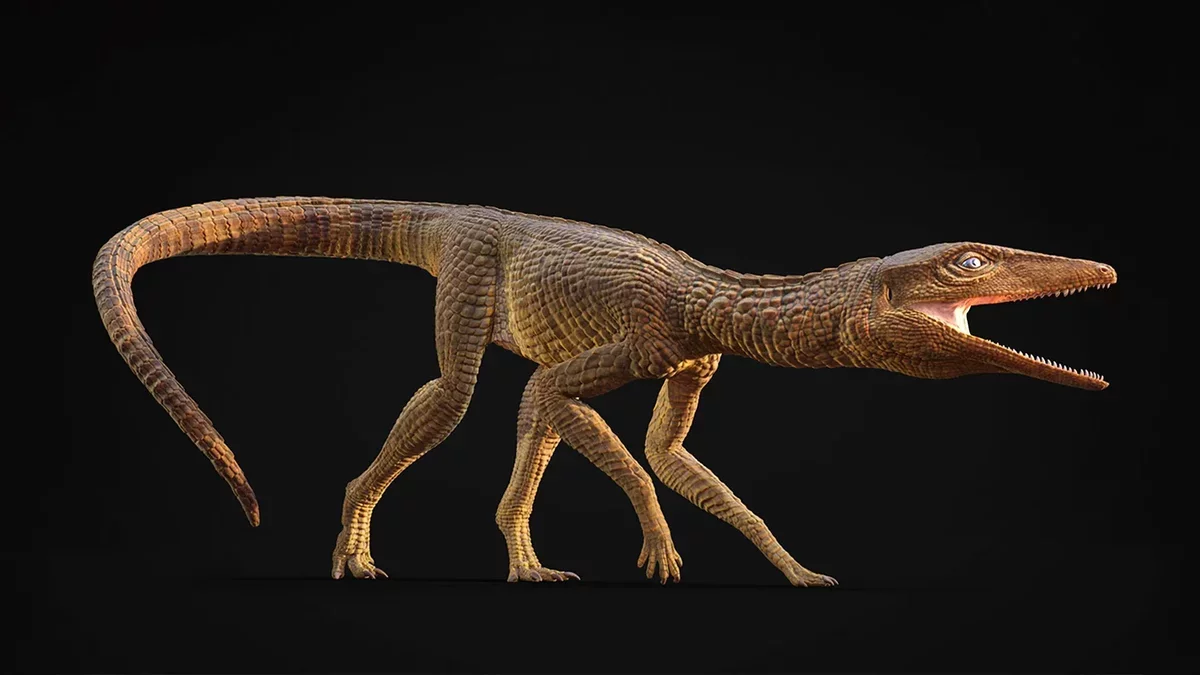
Named Invictibellatrix amberina, the dinosaur lived around 120 million years ago during the Early Cretaceous. Researchers estimate it was 10 to 13 feet long and about five feet tall. It may have had feathers, though its appearance remains uncertain.
A closer look at a museum fossil
The fossil was collected on the Isle of Wight by amateur fossil hunter Reginald Walter Tooley. After his death in 1924, the museum acquired more than 1,000 specimens from his collection. The skull fragment was recognized as belonging to a dinosaur, but its identity remained unclear.
Researchers used CT scanning to examine the fragment's internal structure and create a 3D model. Its distinctive anatomical features linked it to megaraptorans, a group of large predators known from Asia, Australia and South America. The findings were published in Royal Society Open Science.
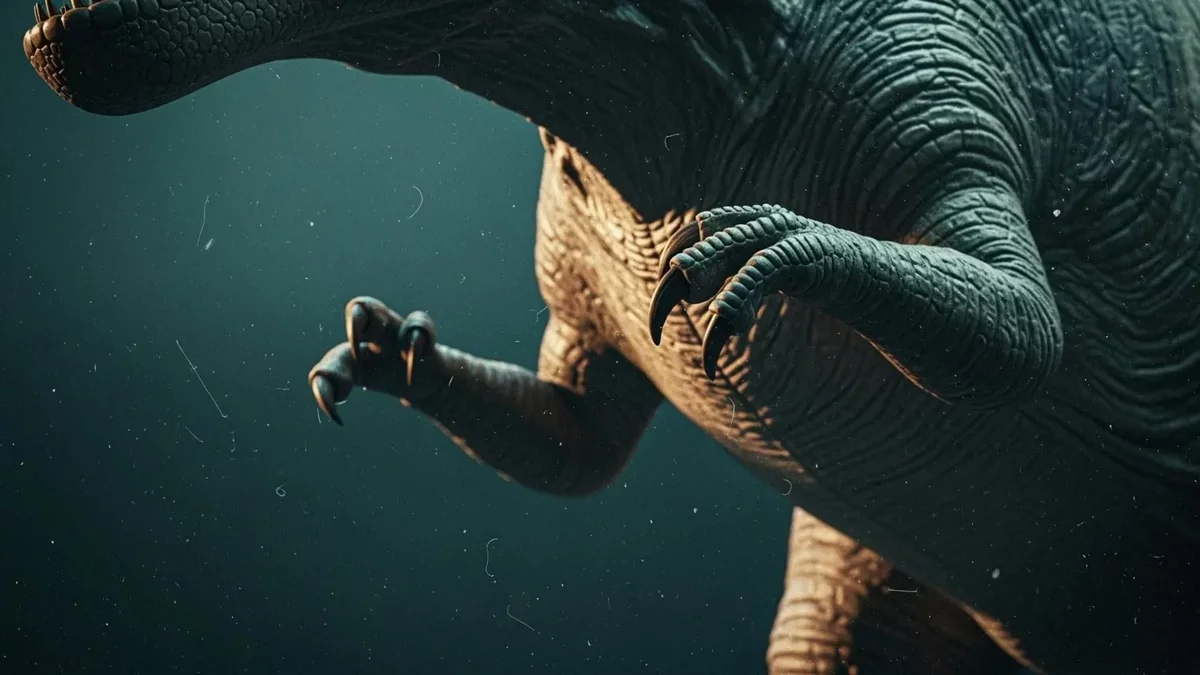
Megaraptorans were not closely related to the smaller raptors popularly depicted in fiction. They were more closely related to tyrannosaurs and had long, powerful arms with large claws.
The European discovery adds a new piece to the puzzle of how megaraptorans spread across the ancient world. It also supports the possibility that they moved west from Asia through Europe before reaching southern landmasses. The find suggests prehistoric Britain hosted a more varied range of dinosaurs than previously recognized.
The discovery shows how modern scanning can reveal new insights from museum collections, helping reshape scientific understanding of life on Earth's distant past.