Newly Discovered Fast-Land Crocodile Relative From the Triassic Era
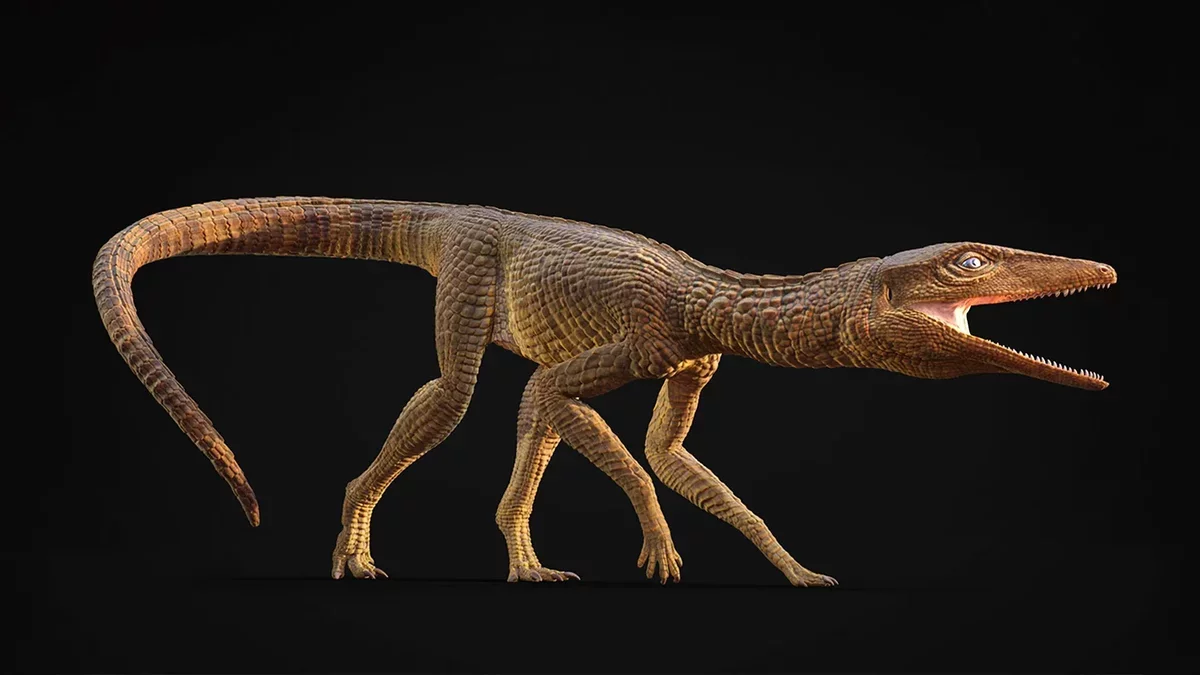
In an exciting revelation from Gloucester, UK, researchers have identified a remarkable new species of early crocodile relative dating back to the Triassic period. Named Galahadosuchus jonesi, this agile creature bore a striking resemblance to a greyhound, possessing a slender physique that was perfectly adapted for speed.
This land-dwelling reptile thrived in a landscape characterized by hot, arid plains, moving swiftly through its environment to hunt small reptiles, amphibians, and early mammals. Its long, slender legs and lightweight frame facilitated rapid movement, setting it apart from modern crocodiles that are primarily aquatic.
The species name not only pays homage to Arthurian legend but also serves as a tribute to David Rhys Jones, a dedicated schoolteacher who inspired the study's lead author, Ewan Bodenham, a PhD student at the Natural History Museum London and UCL. "Mr. Jones was an exceptional teacher who ignited my passion for science," Bodenham reflects. "His ability to challenge students and foster genuine interest in the subject was invaluable."
Fossil Discoveries from Ancient Deposits
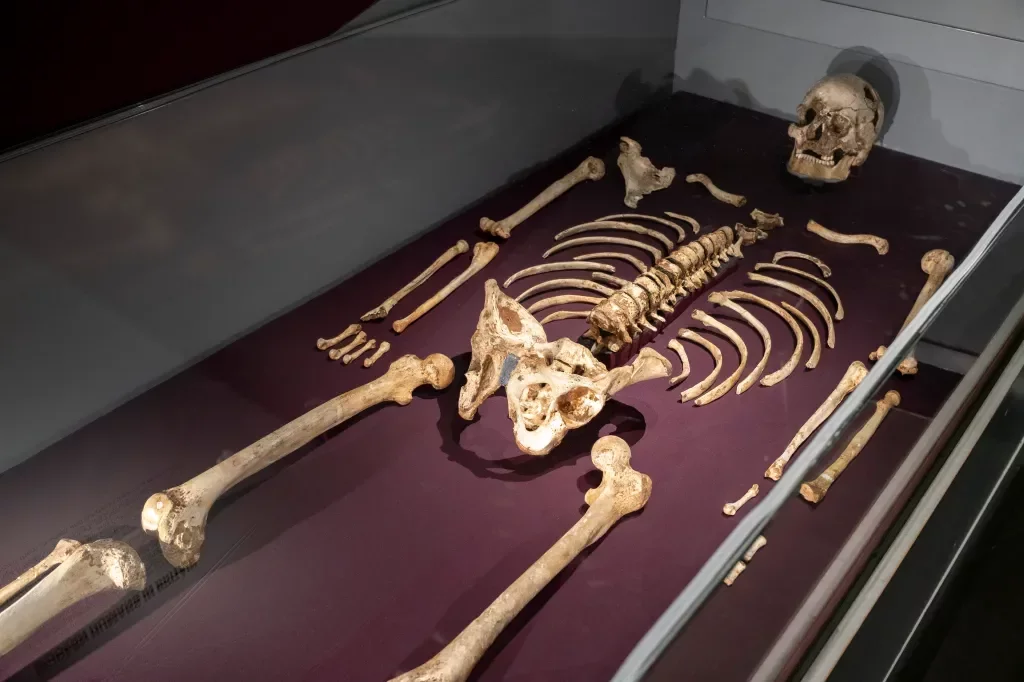
Fossils of Galahadosuchus jonesi were excavated from fissure deposits across the Bristol Channel, where remains of various species were preserved after being washed into underground cavities. Among these findings was another early crocodile relative, Terrestrisuchus, which also exhibited adaptations for terrestrial life.
Unveiling a New Species
As part of his PhD research, Bodenham meticulously analyzed the anatomical features of the fossils, comparing them with other known early crocodiles. The investigation revealed 13 distinct characteristics that confirmed the specimen as a new species, enriching our understanding of crocodile evolution.
Insights Into Prehistoric Ecosystems
This discovery contributes significantly to our knowledge of Late Triassic biodiversity and enhances our understanding of ecosystems that existed just prior to the Triassic-Jurassic mass extinction, a pivotal event influenced by volcanic activity and climate change. By examining how ancient species adapted to environmental shifts, scientists can glean insights into resilience in the face of dramatic changes.
Publication of Findings
The formal description of Galahadosuchus jonesi appears in the journal The Anatomical Record, in the paper titled 'A second species of non-crocodyliform crocodylomorph from the Late Triassic fissure deposits of southwestern UK: implications for locomotory ecological diversity in Saltoposuchidae.'