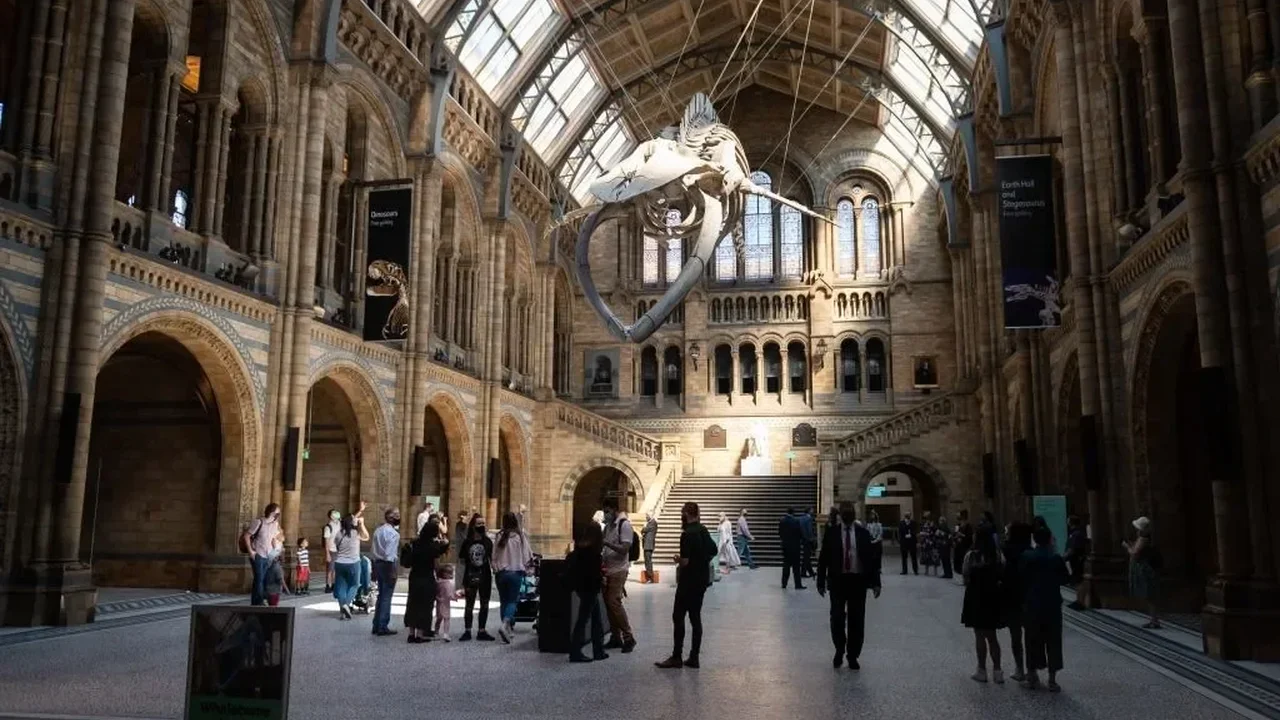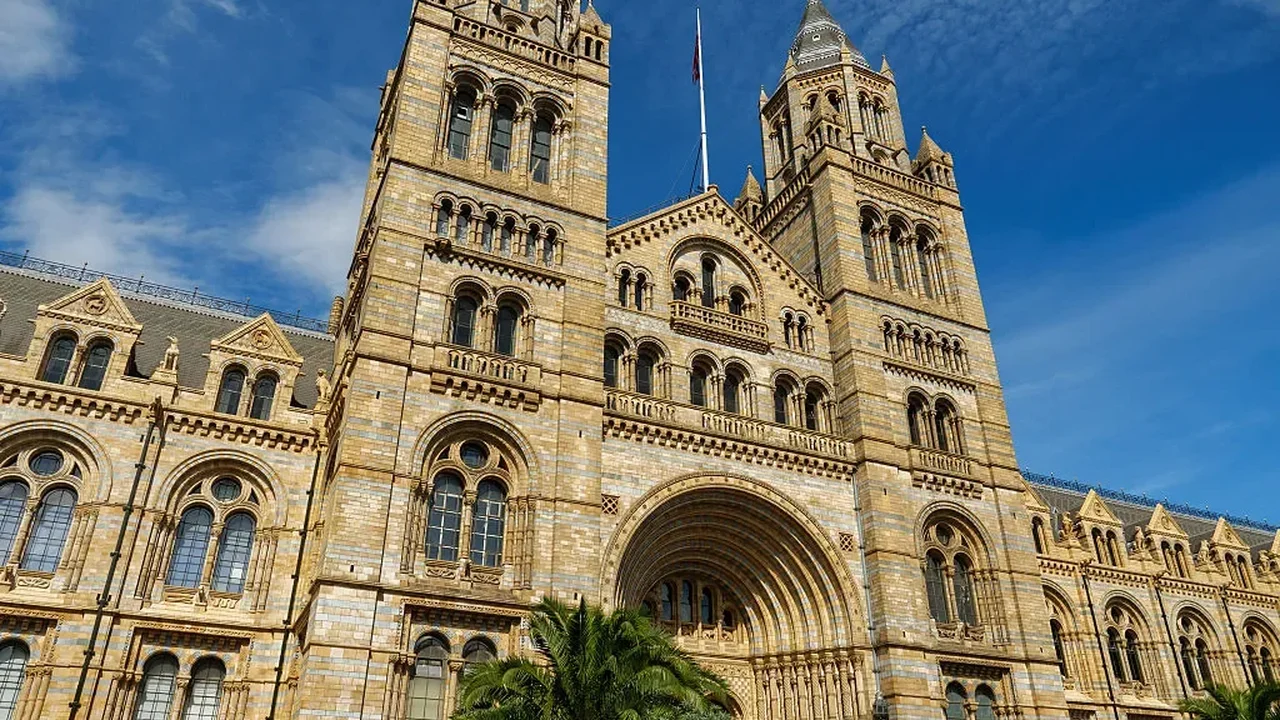
London's Natural History Museum is set to reopen a long-hidden gallery in September, marking its first public access since 1943. The space will host "Nature and Us," an 18-month exhibition that examines how humanity's relationship with the natural world has evolved through 50 objects, from a miniature Crystal Palace dinosaur to a 400,000-year-old hand axe and a replica of a 14,300-year-old dog jaw.
The gallery still preserves its original Victorian herbarium cabinets, offering a rare link between the museum's scientific past and its future-facing exhibition strategy. The project is part of the museum's NHM150 initiative, which aims to introduce a new gallery each year through 2031 and will help shape a future space planned for 2029.
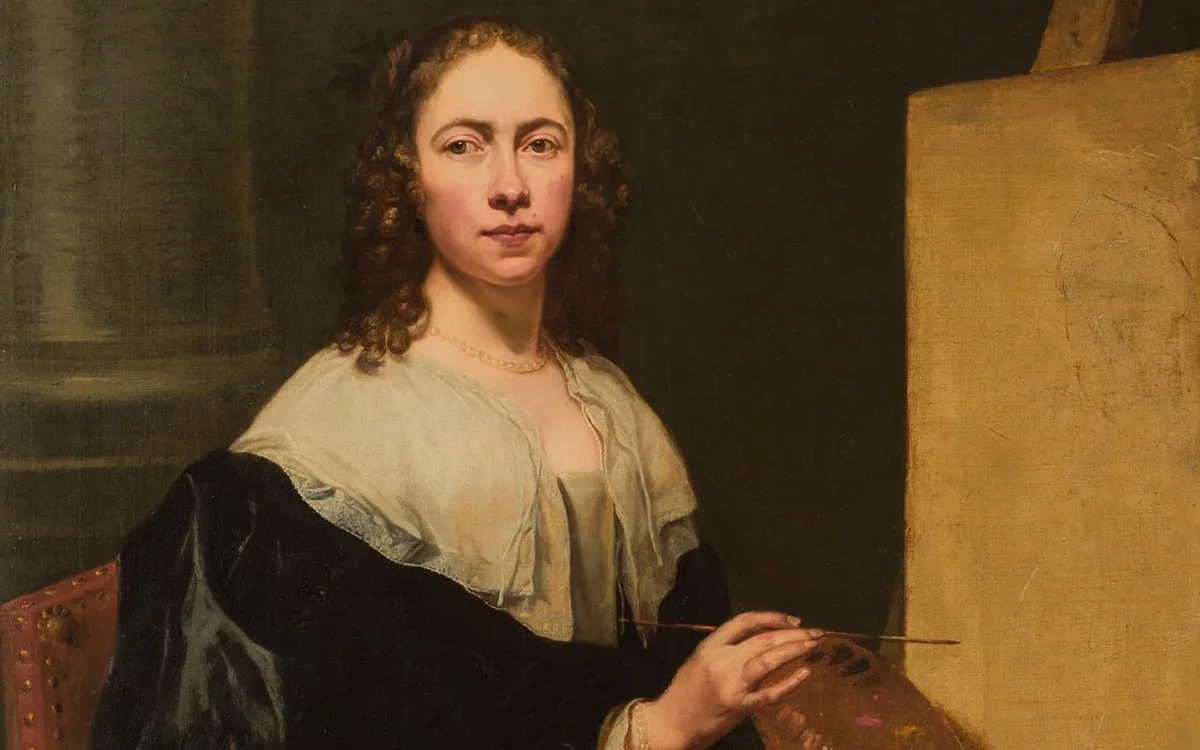
In Vienna, the Kunsthistorisches Museum is preparing to present a newly identified Bernini painting, bringing renewed attention to a work that had long remained overlooked. The attribution adds another highlight to the museum's collection and expands the public view of one of art history's most influential names.
Together, these developments show how museums are reimagining heritage through discovery, access, and fresh interpretation, pointing toward a more dynamic cultural future.