Researchers at the University of Colorado Boulder have demonstrated a promising method that could help certain plastics be recycled again and again without losing their performance. The approach focuses on a tough class of materials called thermoset polymers, which are widely valued for their heat resistance and durability.
A different way to think about plastic
Unlike common PET bottles, which are often downcycled into lower-value products, the material studied in this work was a polycyanurate thermoset used in advanced fields such as aerospace and microelectronics. The team showed that it can be broken down into its original building blocks and then rebuilt into the same kind of plastic with its useful properties intact.
This strategy relies on dynamic chemistry, a reversible process that allows chemical bonds to be formed, separated, and formed again. In practice, that means future plastics could be designed not just for strength, but also for repeated recovery and reuse.
Why it matters
Today's recycling systems often face limits because repeated processing can weaken materials. The new method offers a different model: instead of treating plastic as a one-way material, it suggests a circular design where the same polymer can be taken apart and remade multiple times.
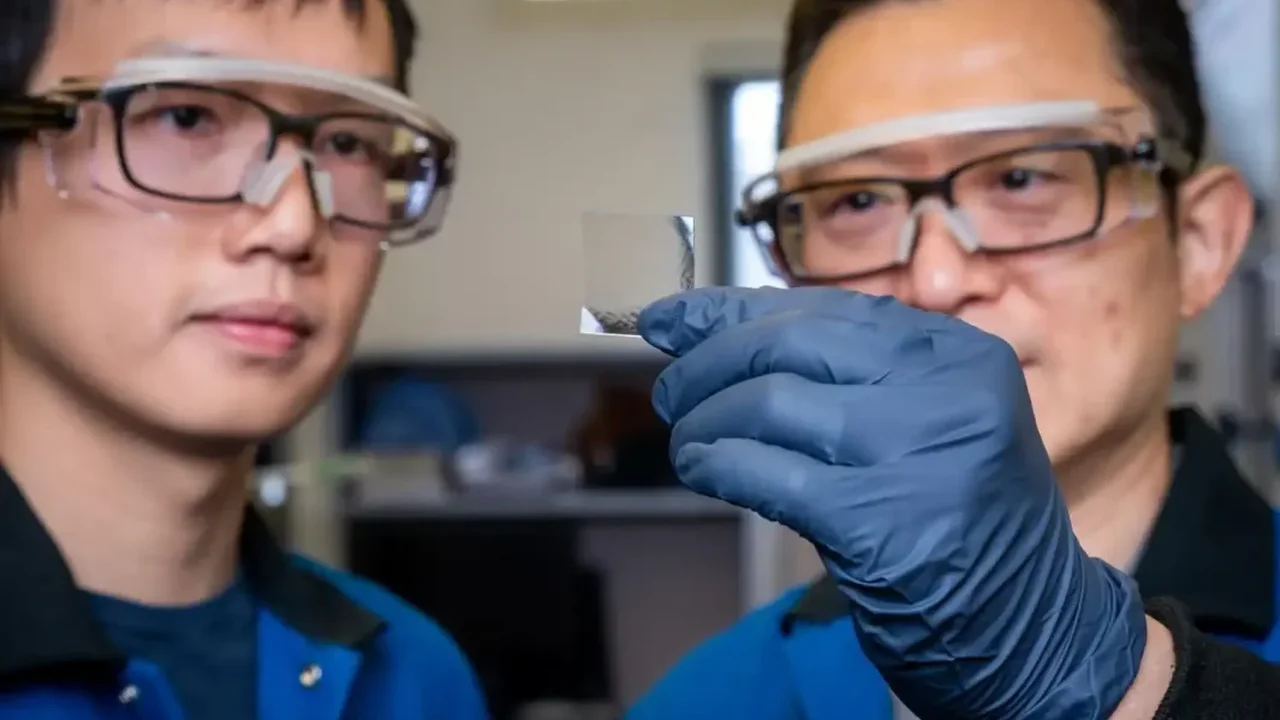
Wei Zhang, chair of chemistry at the University of Colorado Boulder and lead author of the study, said the team is exploring new ways to break and reform chemical bonds so plastics can be built from different starting points while keeping the same backbone.
For now, the research is still a laboratory demonstration, not a ready-made solution for everyday recycling plants. Even so, the study points to a future in which advanced plastics could be engineered for both high performance and long-term circularity. That shift could reshape how materials are designed, used, and renewed in the years ahead.