A new study from the University of Washington and the University of Colorado Boulder offers a striking look at how people use AI for storytelling. By examining more than 573,000 anonymized English-language ChatGPT conversations from the WildChat dataset, researchers found that fiction-related prompts made up a major share of the sample.
Repetition as a Creative Pattern
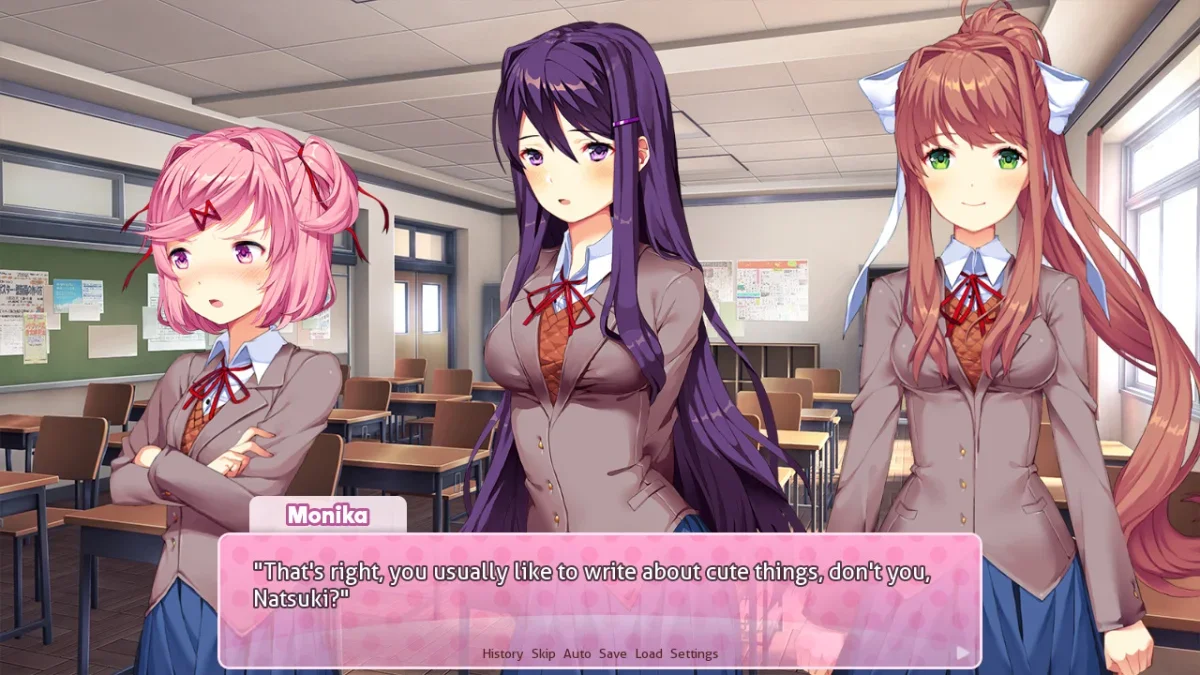
Among the most active fiction users, one anonymous account stood out for producing 27,869 conversations built around closely related story ideas. Many of these prompts revolved around Doki Doki Literature Club! characters and repeated narrative setups, showing how generative AI can become a fast, personalized story engine.
The researchers describe this behavior as part of a broader pattern they call "infinite story demand." In this mode, users return to the same premise again and again, asking the model to reshape dialogue, pacing, and endings until the result matches their vision. The study also identifies "story cyclers," who move between different recurring themes over time.
AI and the New Fiction Loop
Out of the fiction conversations in the dataset, many involved fanfiction, roleplay, scripts, and worldbuilding. The findings suggest that AI is not only a writing tool, but also a new form of interactive entertainment that can deliver instant variations on familiar worlds and characters.
Rather than waiting for a human author to continue a story, users can now generate new versions in seconds. That shift points to a changing relationship between readers, writers, and creative technology, where storytelling becomes more immediate, more customizable, and increasingly collaborative with machines.
As AI storytelling tools continue to evolve, they may reshape how audiences create, consume, and imagine fiction in the years ahead.