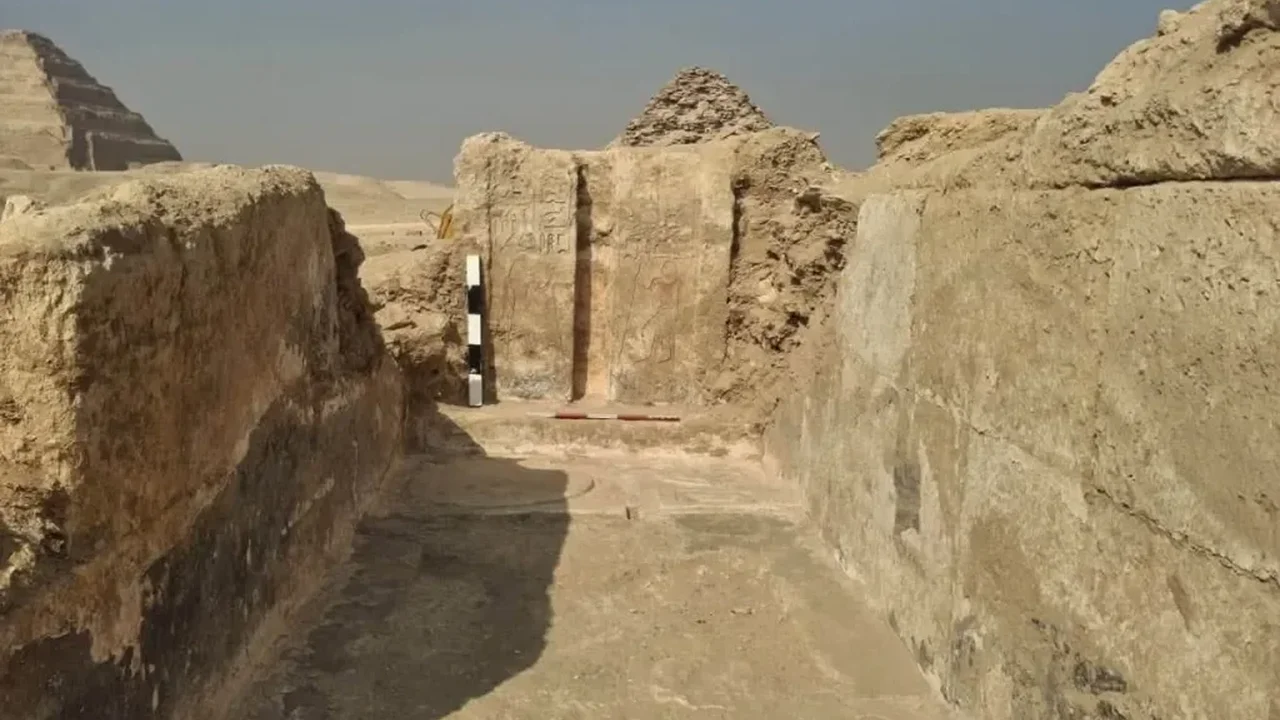
Archaeologists working in Saqqara have uncovered the tomb of Sekhentiu-Ptah, an important official from Egypt's Old Kingdom, alongside a separate cluster of later burial shafts filled with human remains and funerary objects.
The discovery came during the team's first excavation season west of the Bubasteion necropolis, highlighting how the site continued to serve as a burial landscape across different eras. The findings were announced by Egypt's Ministry of Tourism and Antiquities.
Sekhentiu-Ptah's tomb preserved a funerary chapel with its false door still in place. In front of it, researchers found alabaster objects including an offering table, an offering implement, a purification basin, a vessel, and a mat. Officials said the objects' original arrangement offers valuable insight into Old Kingdom burial customs.
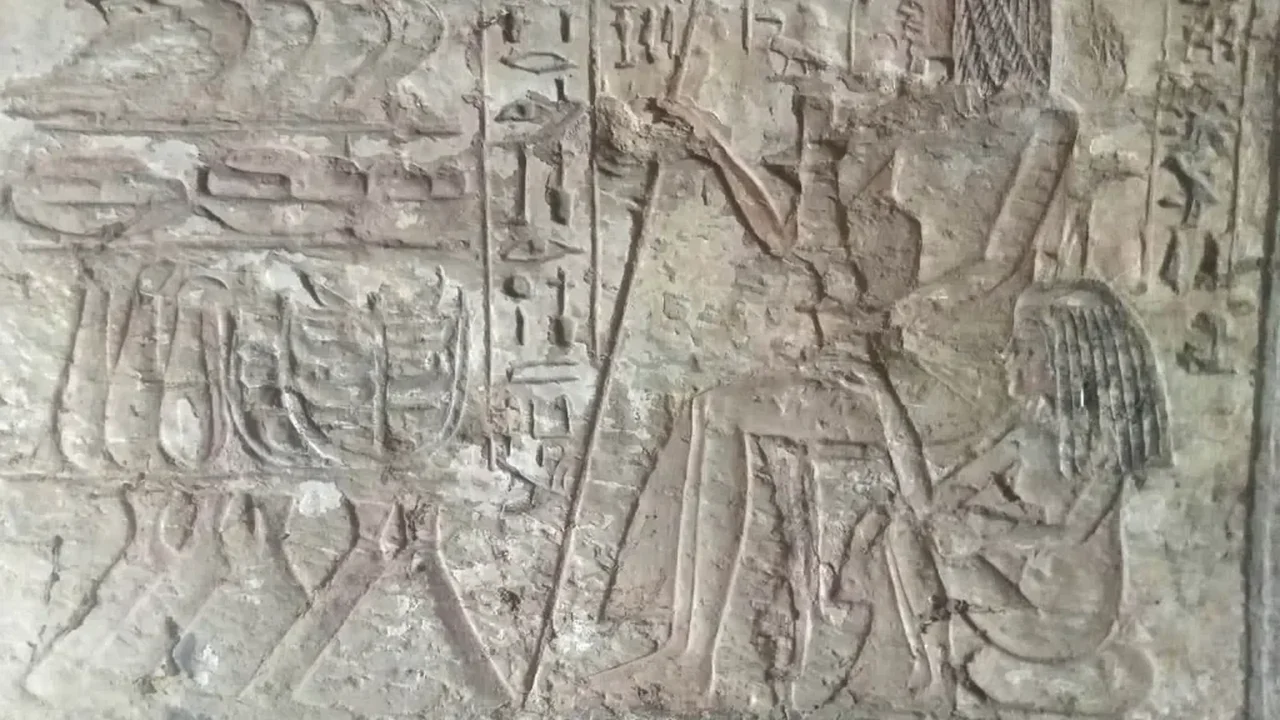
Hieroglyphic inscriptions also recorded several of Sekhentiu-Ptah's titles, among them royal chamberlain, supervisor of the king's works, supervisor of royal documents, keeper of royal secrets, priest of the goddess Maat, and supervisor of the library.
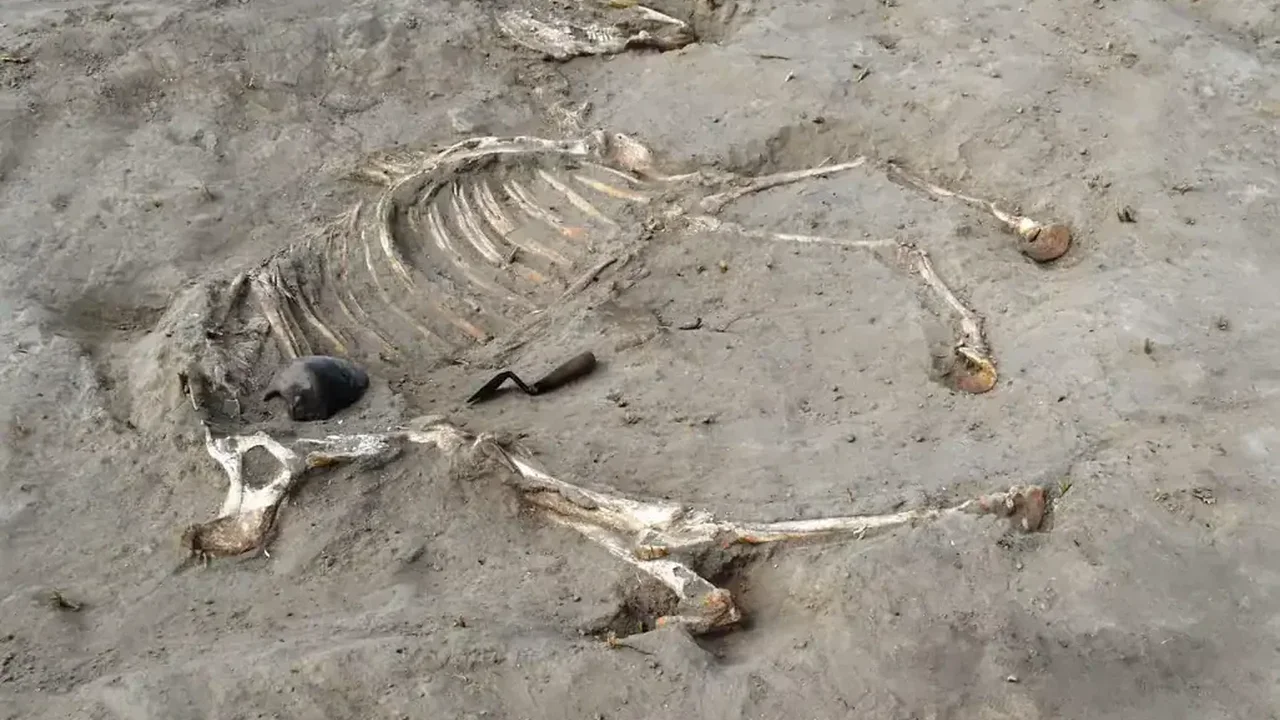
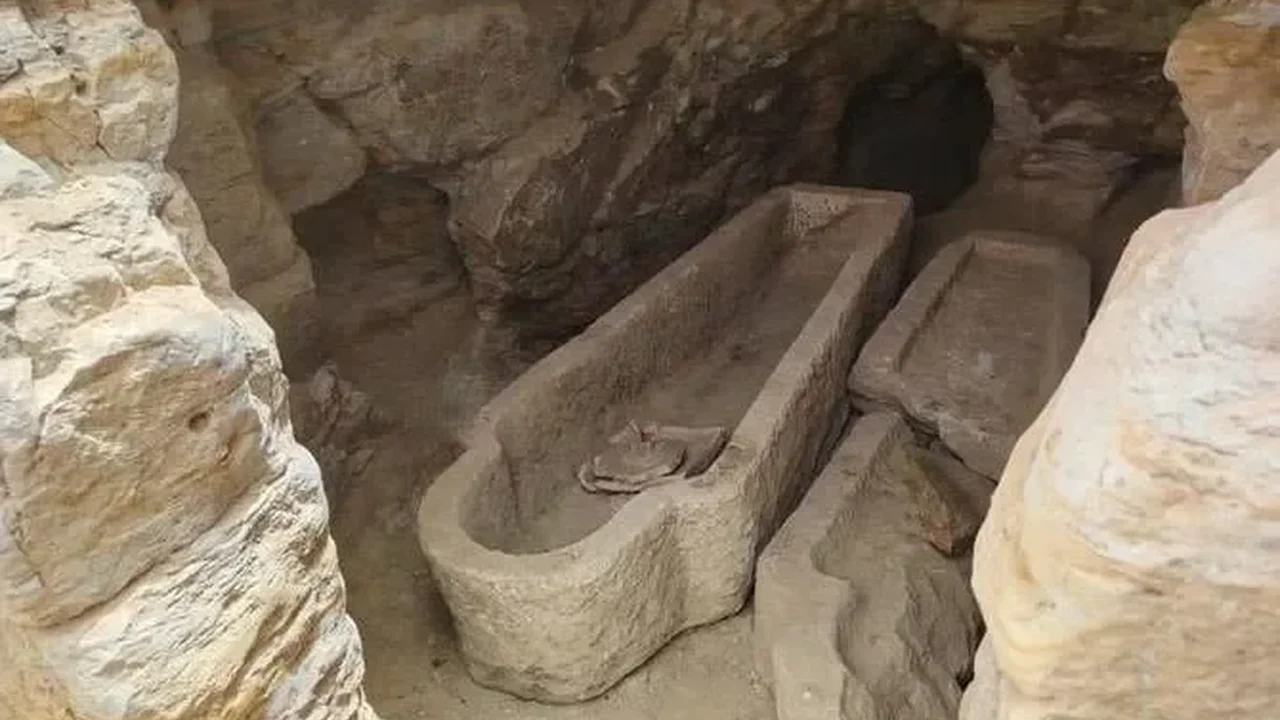
Nearby later burials contained painted funerary cartonnage, three sealed sarcophagi, and more than 100 faience ushabti figurines. Preliminary study suggests these chambers were disturbed in antiquity, adding another chapter to the site's long archaeological timeline.
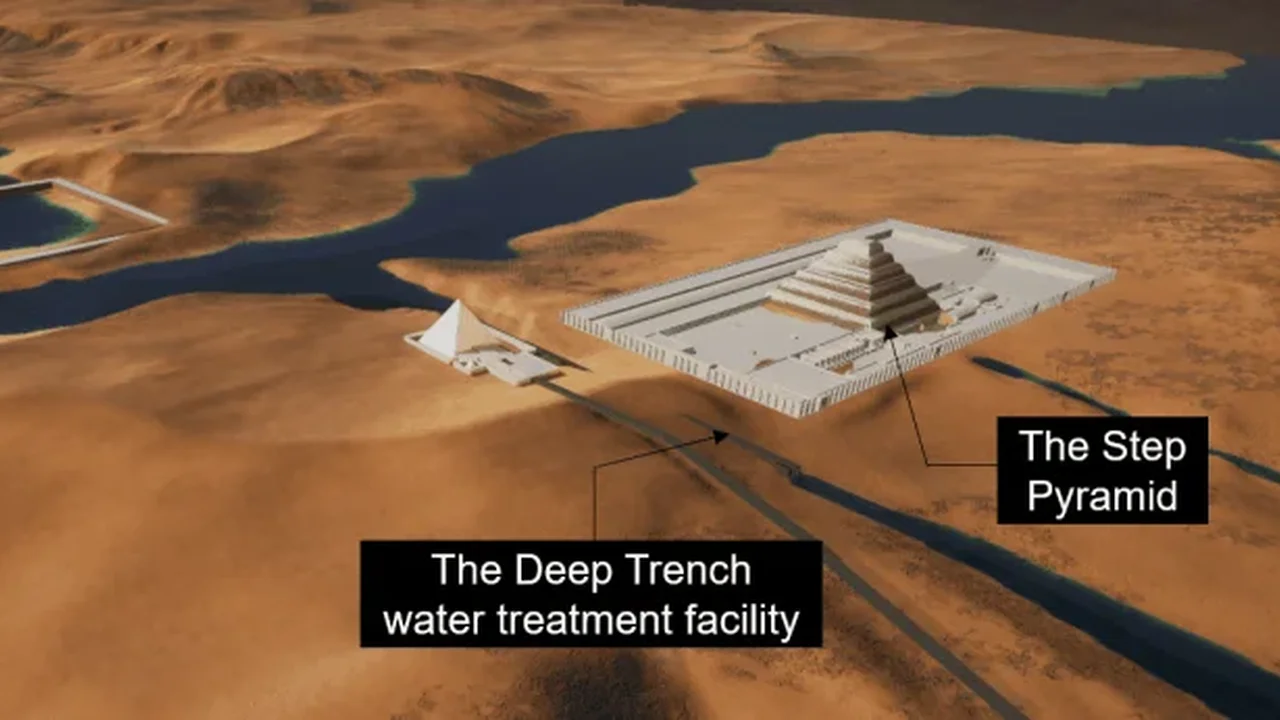
Saqqara, about 20 miles south of Cairo, once served as the main necropolis of Memphis. These discoveries reinforce its role as a living archive of ancient Egyptian funerary tradition, with new evidence still emerging from its sands. The site may continue to reshape how the world understands Egypt's enduring burial heritage.