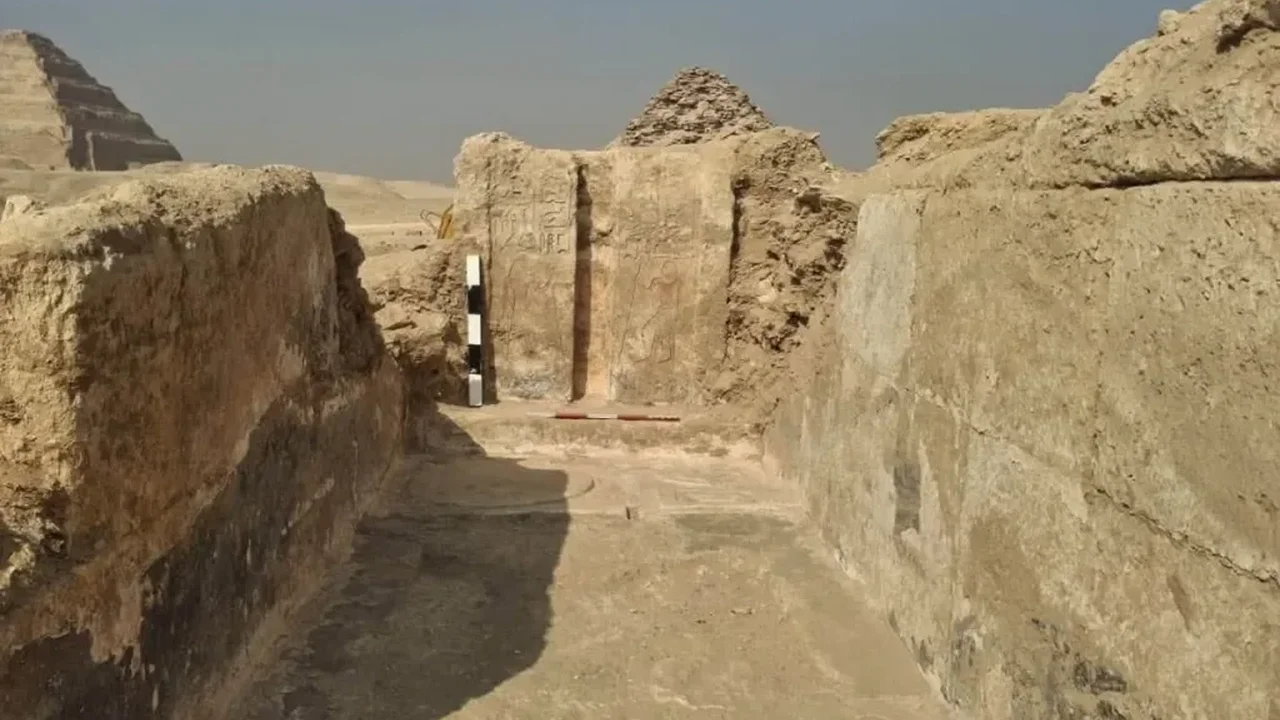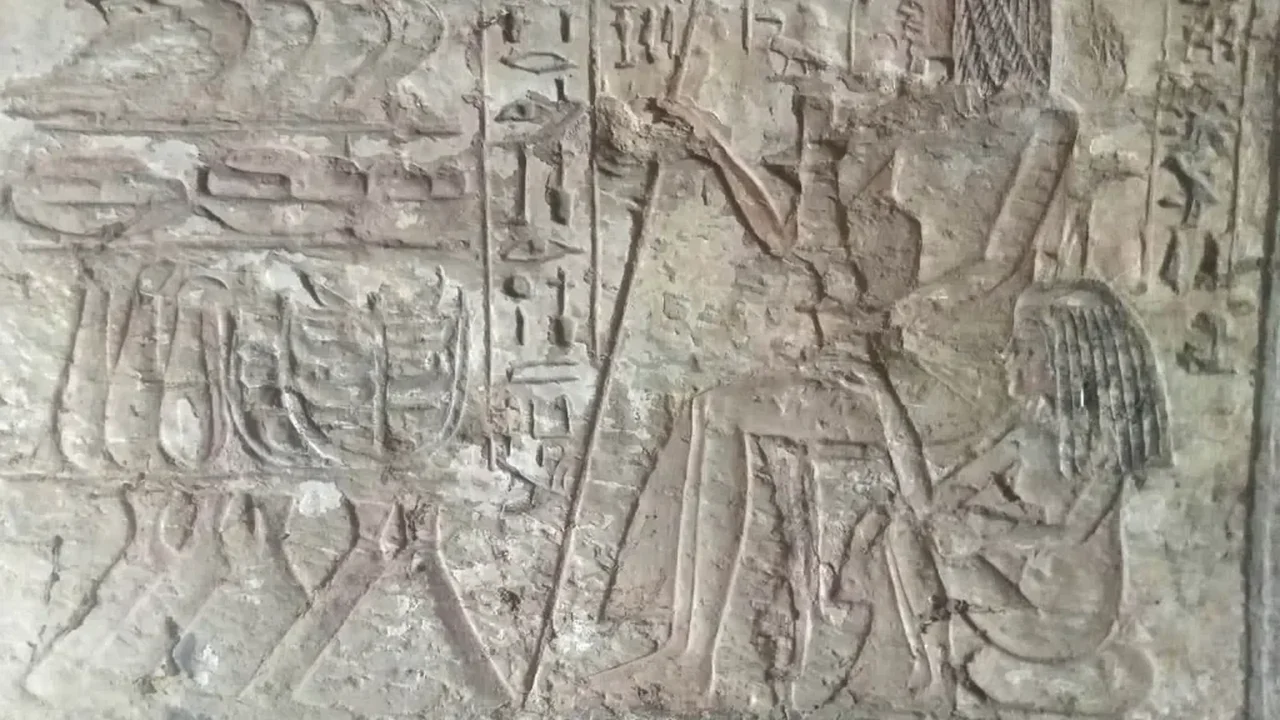
A hydraulic system may have helped ancient Egyptians move stone blocks during construction of the Step Pyramid of Djoser, according to a hypothesis published in 2024. The proposal offers a new possibility for understanding how the structure was built around 4,700 years ago, but it has not been confirmed by archaeological evidence.
A proposed water-powered mechanism
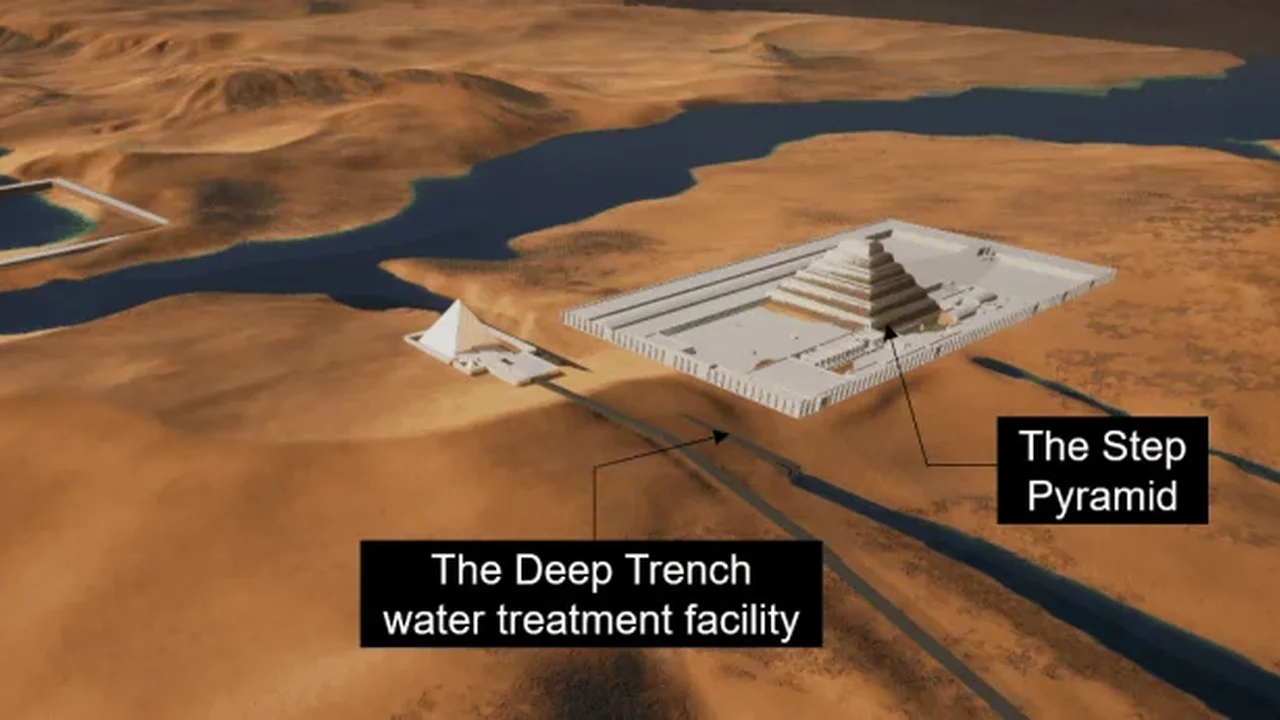
Researchers led by Xavier Landreau of Paleotechnic suggest that water may have been collected near the Saqqara pyramid complex and directed through a series of channels and shafts. In their reconstruction, rising water could lift a floating platform carrying stone blocks. Releasing the water would lower the platform, allowing the process to be repeated.
The team also proposes that the nearby Gisr el-Mudir enclosure may have helped retain water, while compartments outside the pyramid could have filtered sediment. If such a system existed, it may have worked alongside ramps and other construction methods rather than replacing them.
An open question
The idea remains debated. The researchers have acknowledged that no known archaeological record directly documents water-powered lifting in the pyramid's underground structures, and further investigation--including sediment analysis--is needed to test the hypothesis. A separate 2026 proposal concerning possible dams near the Red Pyramid explores water management but does not independently confirm a hydraulic lift at Djoser's complex.
The study appeared in PLOS ONE. Further archaeological research could clarify whether water engineering formed part of the builders' toolkit, expanding our understanding of the technologies behind ancient monumental architecture.