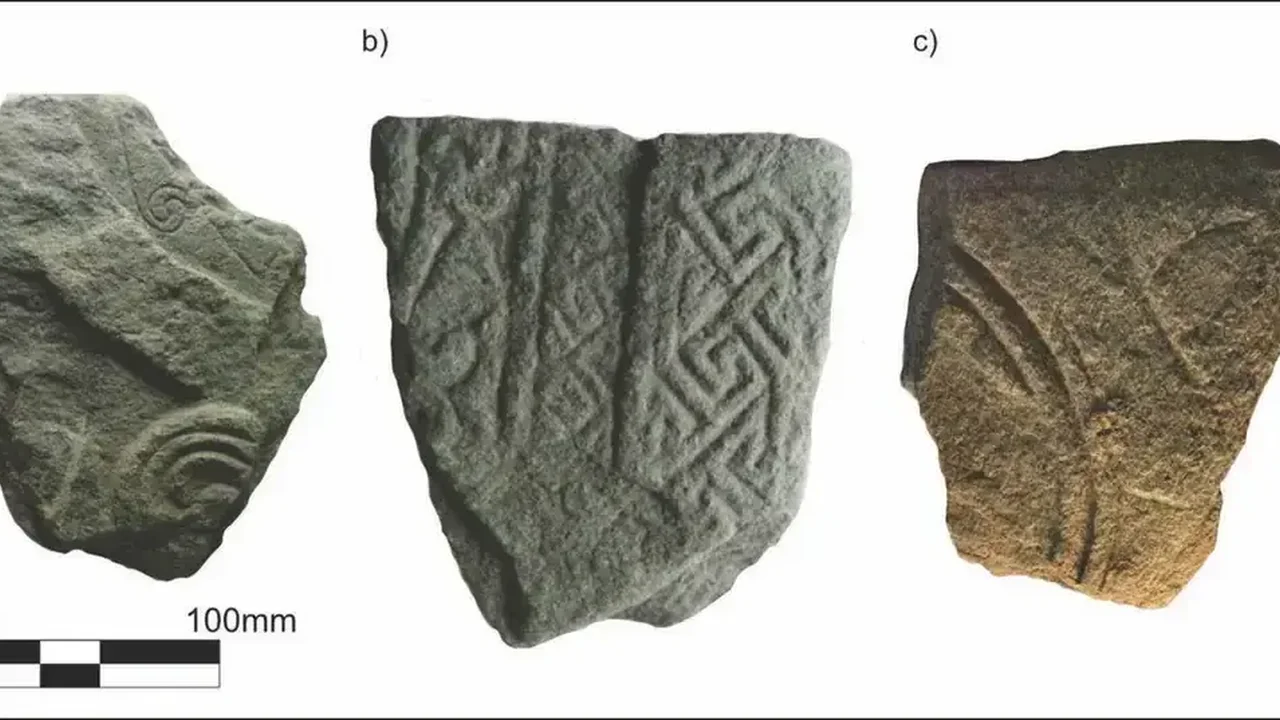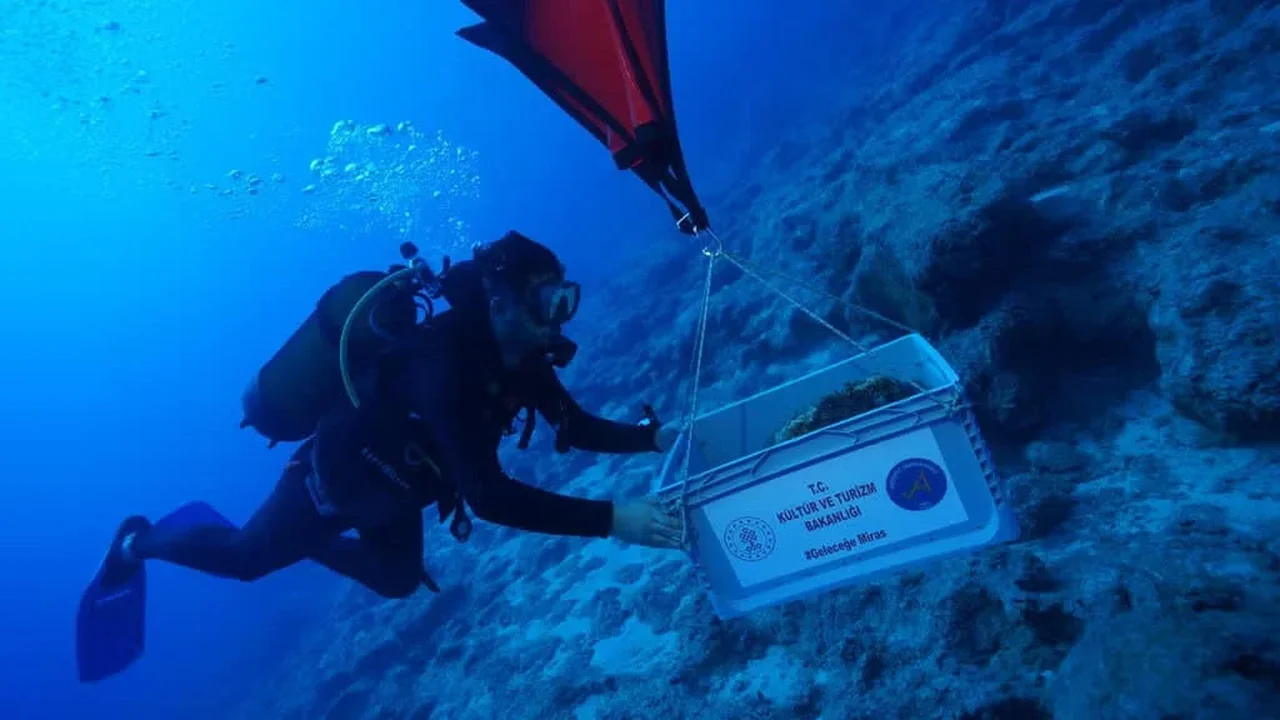
More than 30 pottery vessels found underwater near Kekova Island, off Turkey's southern coast, may mark one of the earliest known shipwrecks. The wooden vessel itself has not survived, but the cargo could offer rare evidence of Bronze Age trade across the Mediterranean.
Underwater archaeologist Hakan Öniz of Akdeniz University and his team documented the site in 2024, about 30 metres below the surface. Alongside the jars, divers found three stone anchors. Researchers estimate the pottery may date to between 2700 and 2400 BCE, based on its shape and construction, and suggest a vessel carrying the cargo may have been around 10 metres long.
Clues inside the vessels
Some jars still contain a dark, glossy substance. Its identity is unknown: it could be residue from olive oil, wine, tree resin or a mix of materials. Chemical analysis may help identify it and could potentially provide material for radiocarbon dating.
A preliminary study by Öniz and colleague Ceyda Öztosun in the Journal of Maritime Archaeology describes similarities between the pottery and Early Bronze Age vessels from the eastern Mediterranean. The findings remain provisional. Without the hull, researchers cannot directly date the ship, and they have not confirmed that the anchors and jars came from the same vessel. The pottery's style also does not provide an exact date.
If the interpretation is confirmed, the site could add an important chapter to the history of maritime commerce, showing how goods moved between Mediterranean communities thousands of years ago. Further analysis may help clarify the cargo's age and origins, while refining what archaeology can reveal about early sea trade.