Archaeologists in Egypt have identified three tombs from different eras at the Sheikh Sobi site in the Bahariya Oasis, adding new depth to the region's long burial history. The discovery was announced by Egypt's Ministry of Tourism and Antiquities.
The site, located about 225 miles southwest of Giza, is part of a necropolis once used for governors and priests during Egypt's Late Period. It also sits near the Bawiti Temple, a 26th-dynasty monument linked to Pharaoh Ahmose II.
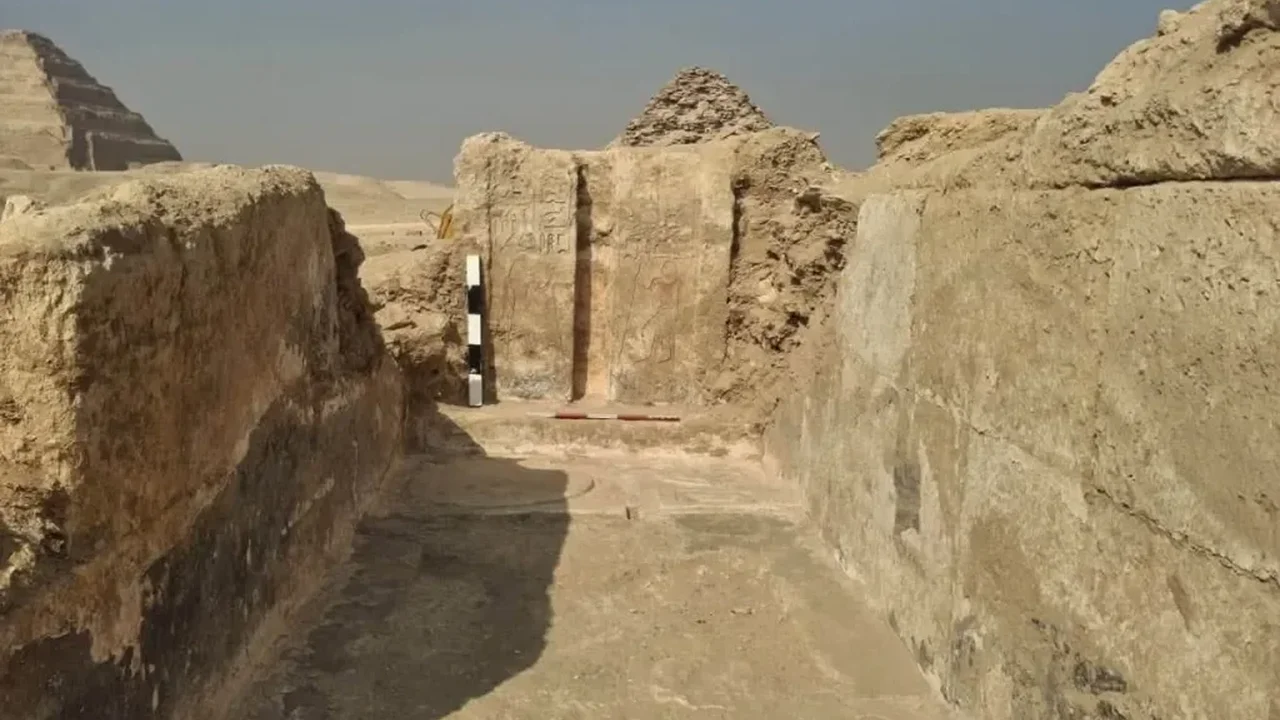
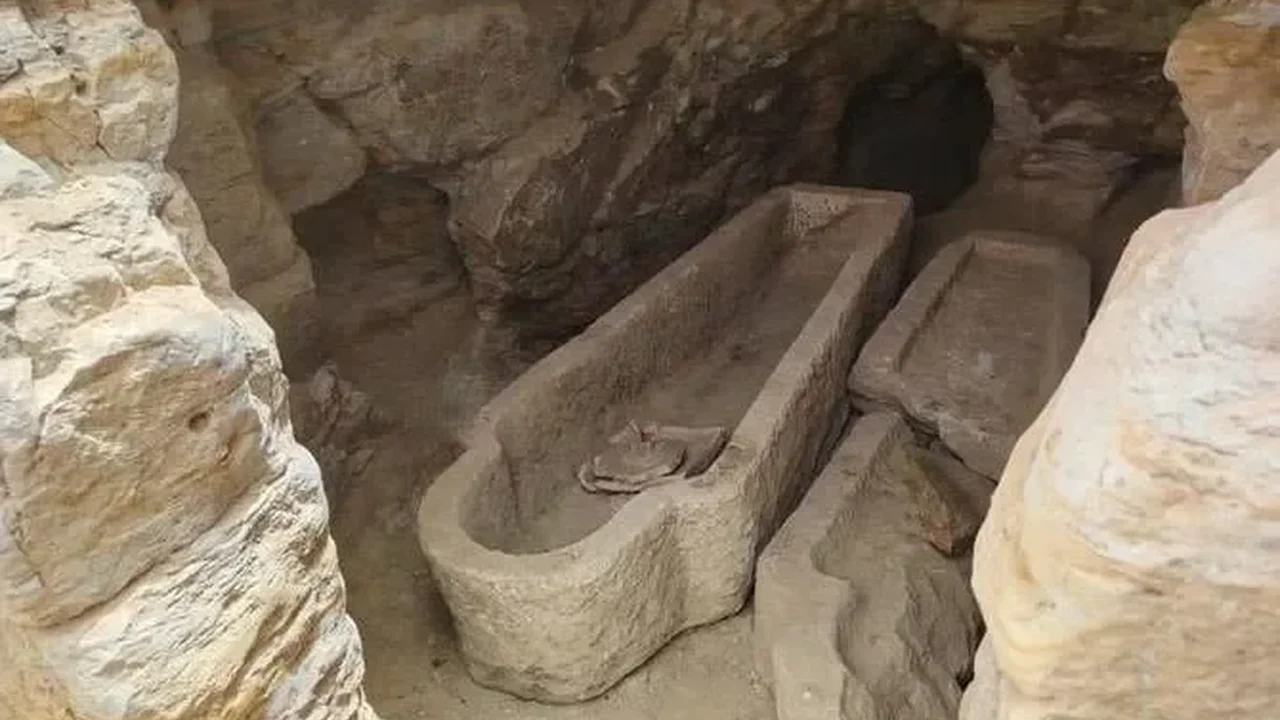
The newly found burials include a rock-cut family tomb with five Late Period mummies, a Roman-era stairway tomb, and another Roman-period structure built around a burial shaft. According to mission director Sabri Farag, the team worked at the site for three months before reaching the tombs.
Inside the family tomb, researchers found a square shaft leading to two chambers. One held a limestone sarcophagus with a mummy wrapped in linen, while a larger chamber contained four more limestone coffins, suggesting a shared family burial space. The second tomb appears to have remained unused, while the third included a small hall likely used in mummy preparation.
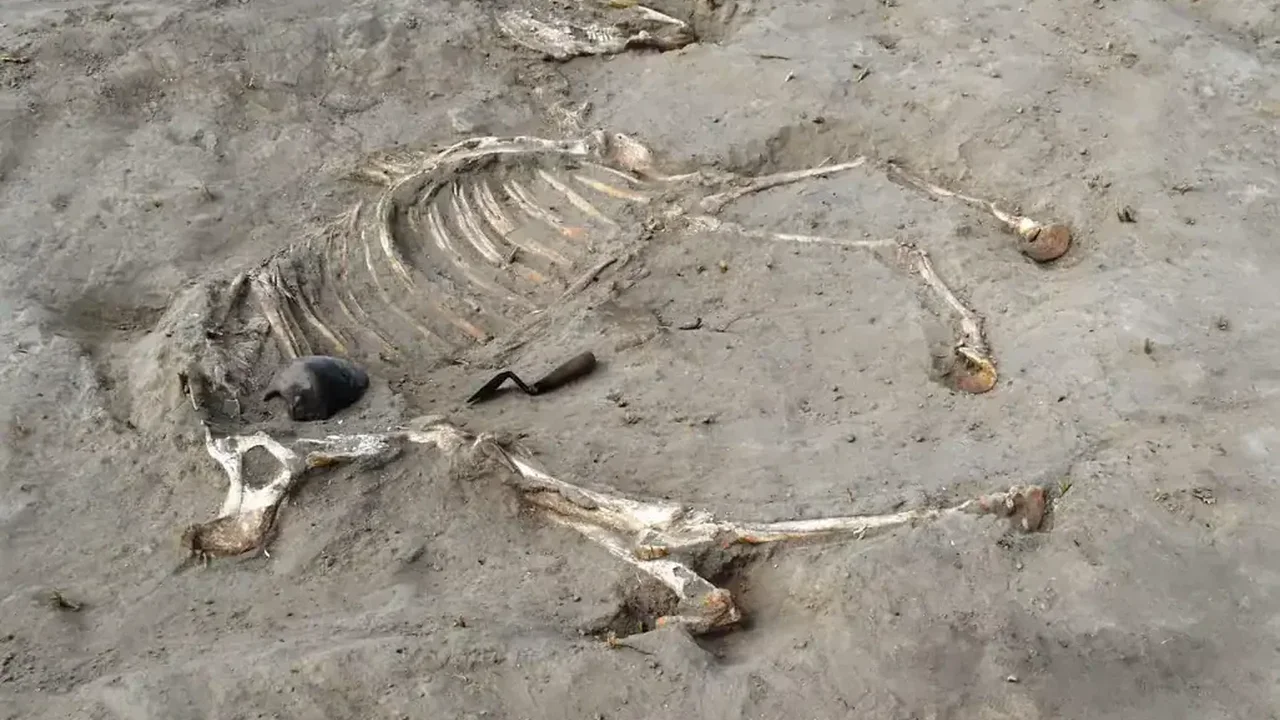
Excavators also recovered pottery, flasks, plates, limestone and sandstone offering tables, along with terracotta figurines representing maternal figures and animals. Egyptologist Dr. Hassan Selim noted that the objects reflect both local artistic expression and everyday religious life in the oasis.
This discovery offers a clearer view of how Bahariya Oasis connected burial customs, craftsmanship, and belief across centuries, and it may open the door to further insights into Egypt's layered cultural heritage.