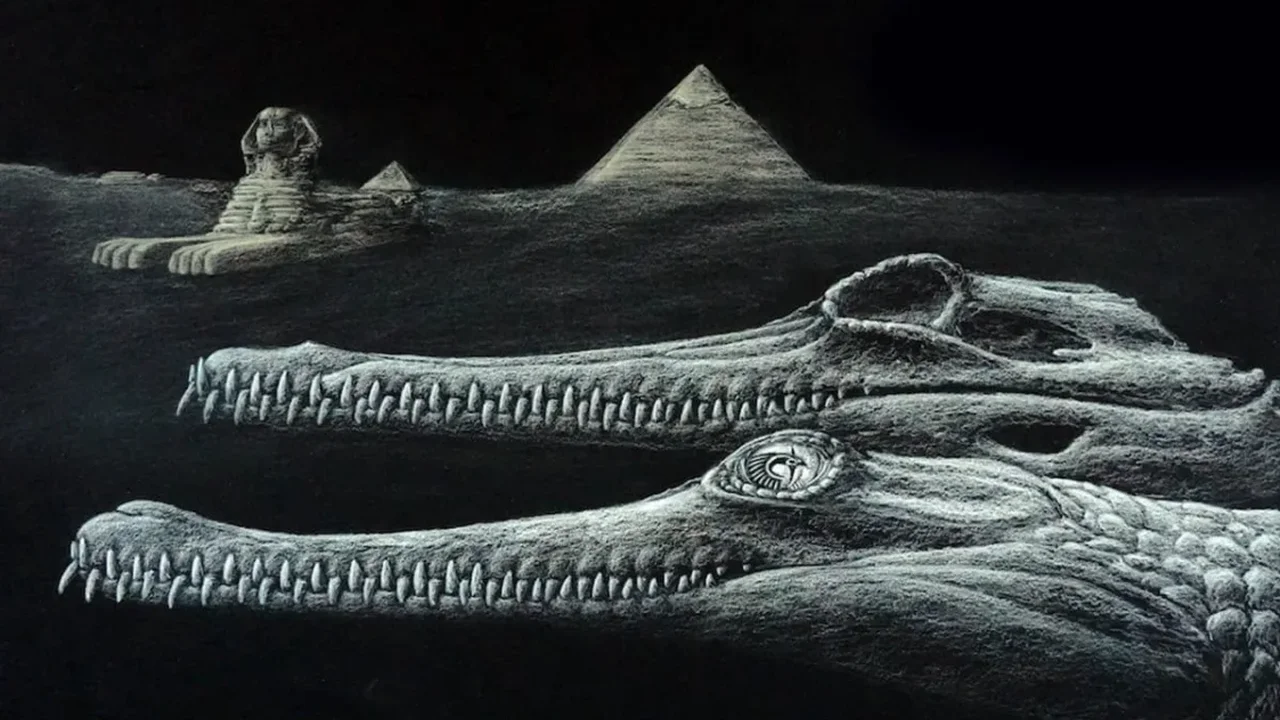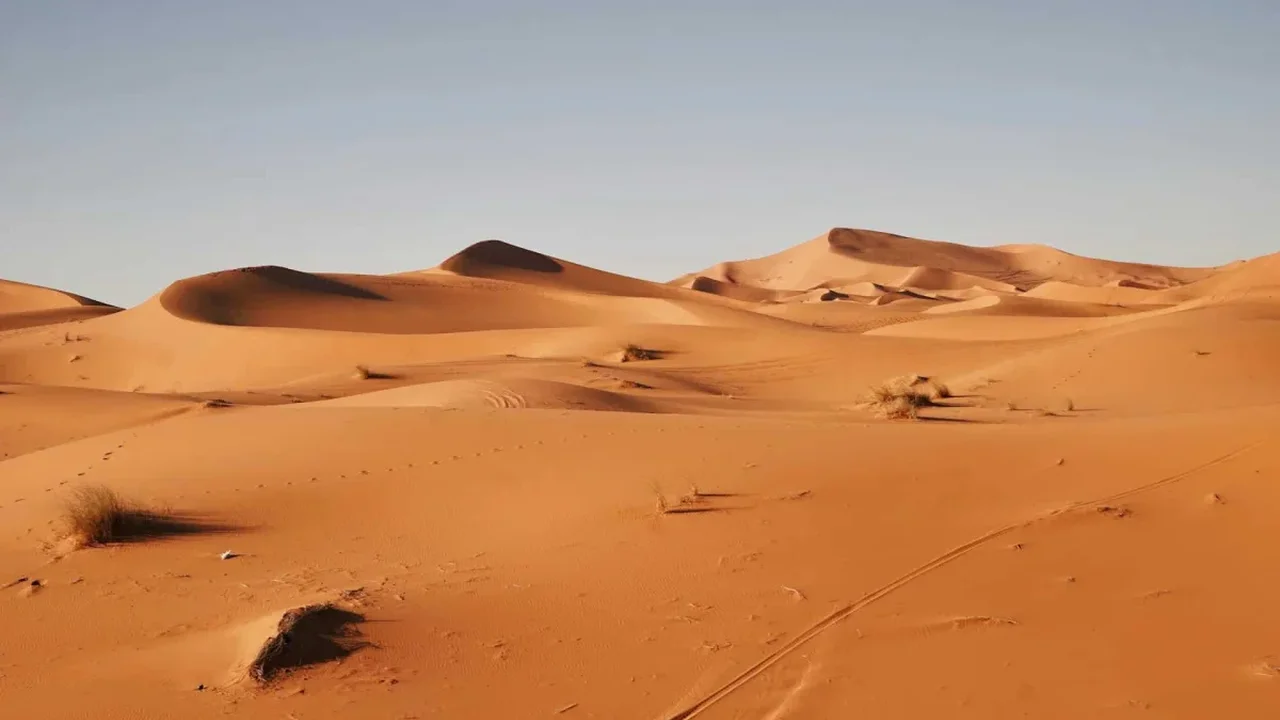
Egypt's Western Desert has revealed an unexpected record of ancient marine life: 14 fossilized shark teeth from a time when today's Sahara landscape lay beneath a warm tropical sea.
Recovered from the Abu-Tartur Plateau, the fossils date to the Late Cretaceous period, around 84 to 72 million years ago. The teeth were preserved in phosphate-rich layers of the Duwi Formation, a geological archive of the shallow seas that once extended across northern Africa.
A diverse Cretaceous shark community
A research team led by Cairo University paleontologist Tarek Yassin identified the teeth as belonging to at least five extinct shark species. All are part of Lamniformes, the shark group that includes modern great whites, makos and goblin sharks.
The variation in tooth shapes offers clues to how these animals lived. Slim, pointed teeth were adapted to holding slippery prey, while broader teeth were likely used for cutting through larger food sources. Such differences help paleontologists map both species diversity and feeding strategies in extinct ecosystems.
Species including Scapanorhynchus, Cretalamna, Serratolamna and Squalicorax indicate that the region may have included several marine habitats, from deeper waters to open continental shelves and coastal zones.
More than a single moment in time
The Abu-Tartur site is described as a "shark graveyard," yet the fossils do not represent one event. The phosphate layers accumulated gradually, collecting remains from different periods and environments. This creates a time-averaged fossil assemblage that provides a wider view of the species moving through the ancient sea.
Scientists also suggest that nutrient-rich upwelling may have supported this ecosystem. Deep water rising toward the surface could have fueled plankton growth, sustaining fish, invertebrates, sea turtles, marine reptiles and the predators above them.
Published in Cretaceous Research, the findings expand the known diversity of Late Cretaceous sharks in Egypt and strengthen the fossil record of northern Africa. As further sites are studied, they may reshape our understanding of how ancient seas connected ecosystems across the continent.