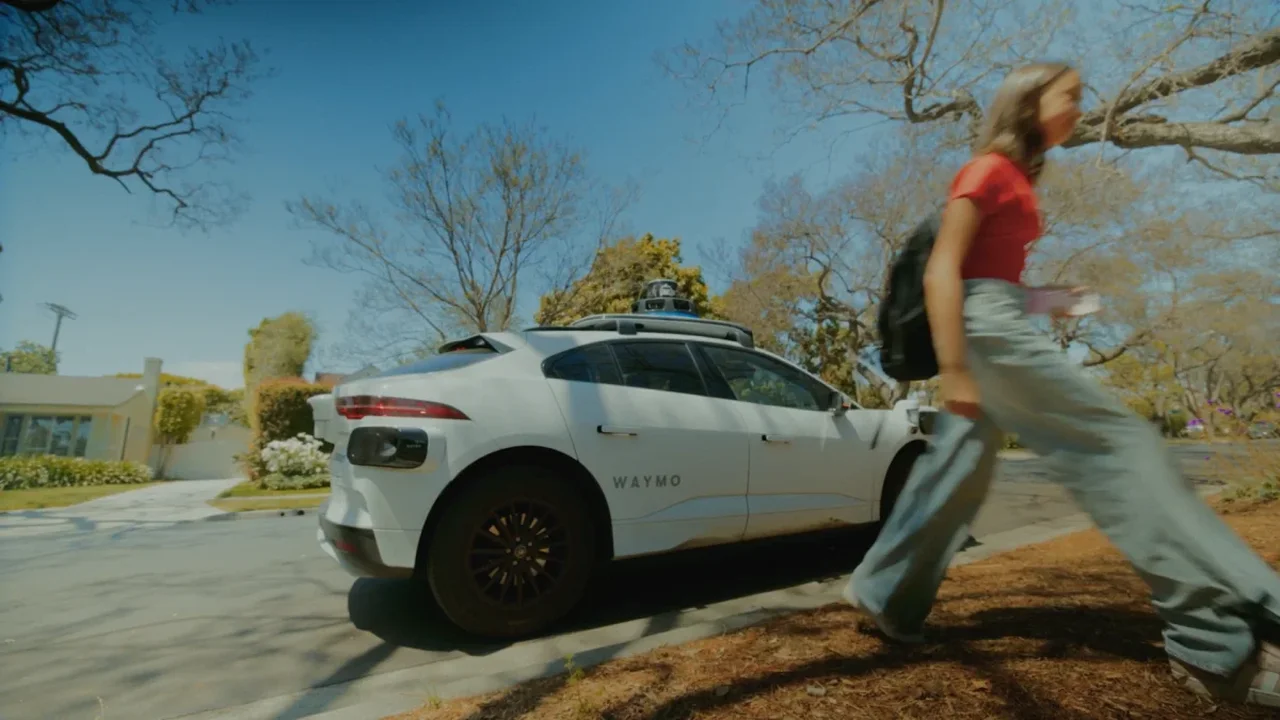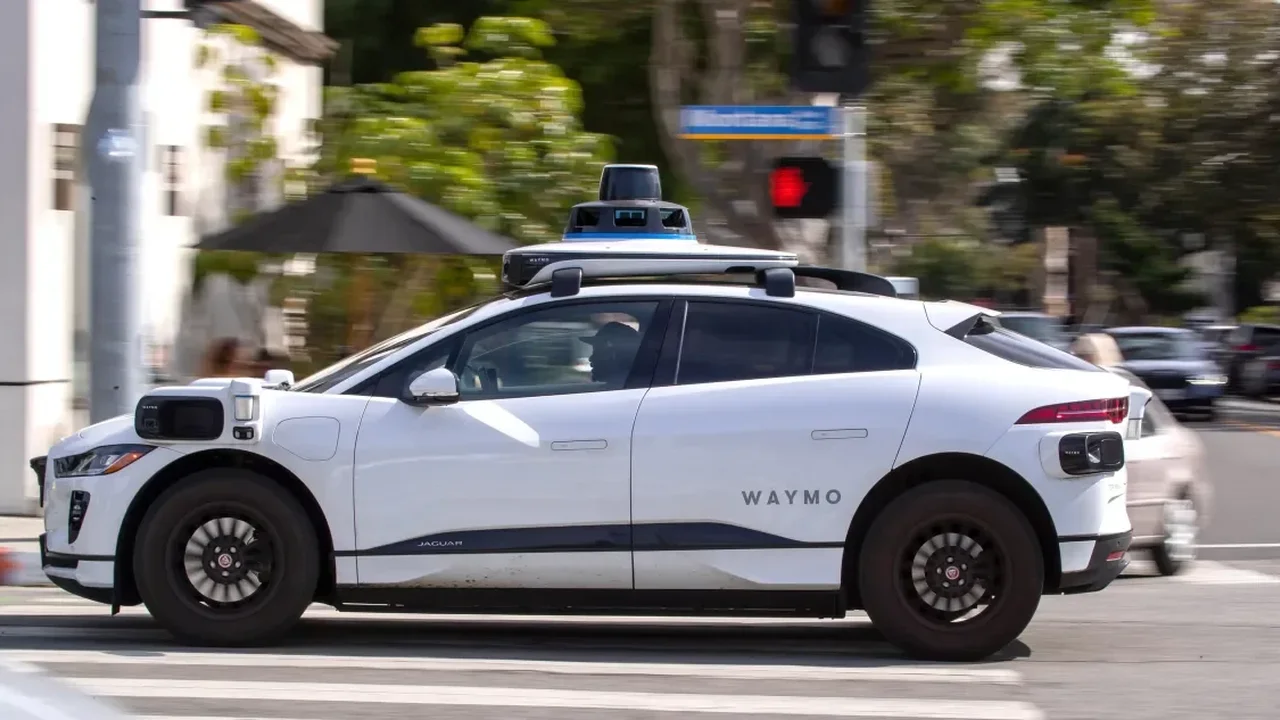
As robotaxi services expand into more cities and rack up millions of autonomous miles, new safety data shows that the testing phase still carries physical demands for human drivers inside the vehicles.
According to records submitted to the Occupational Safety and Health Administration, test drivers working with Waymo and Zoox reported more than two dozen injuries in 2024 and 2025. The cases were linked mainly to sudden braking, sharp swerves, and unexpected vehicle behavior during public-road testing.
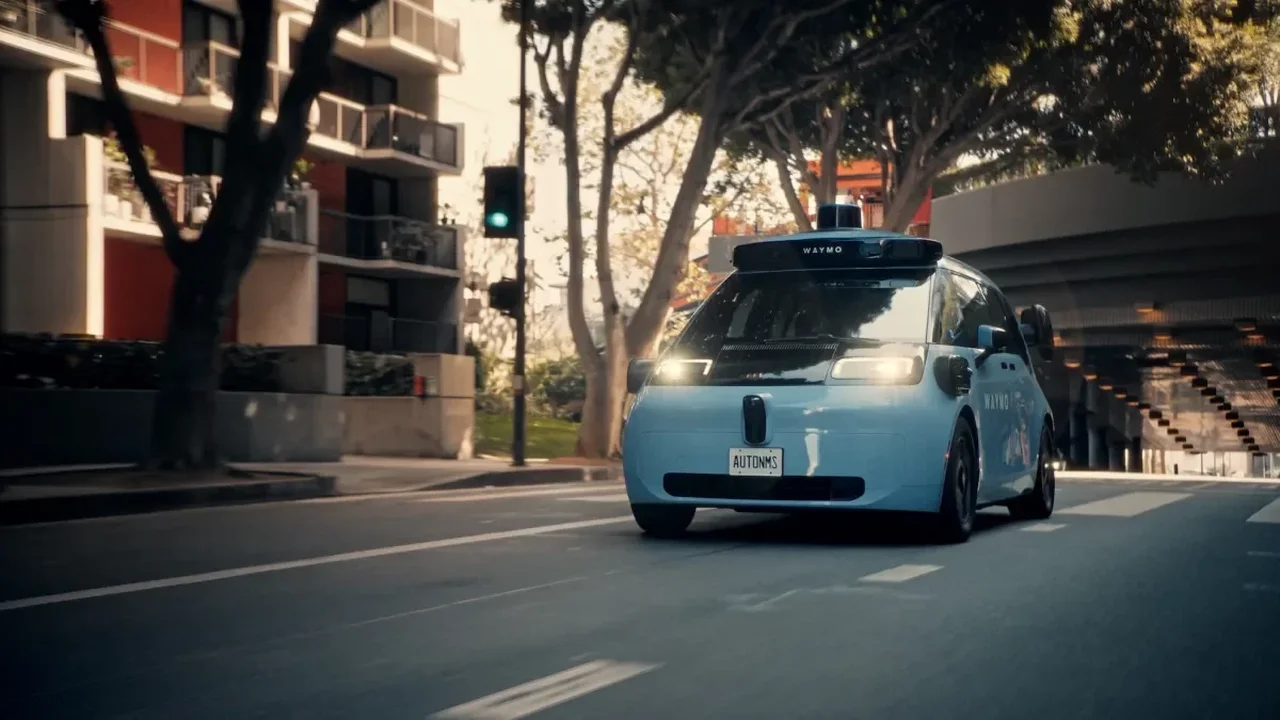
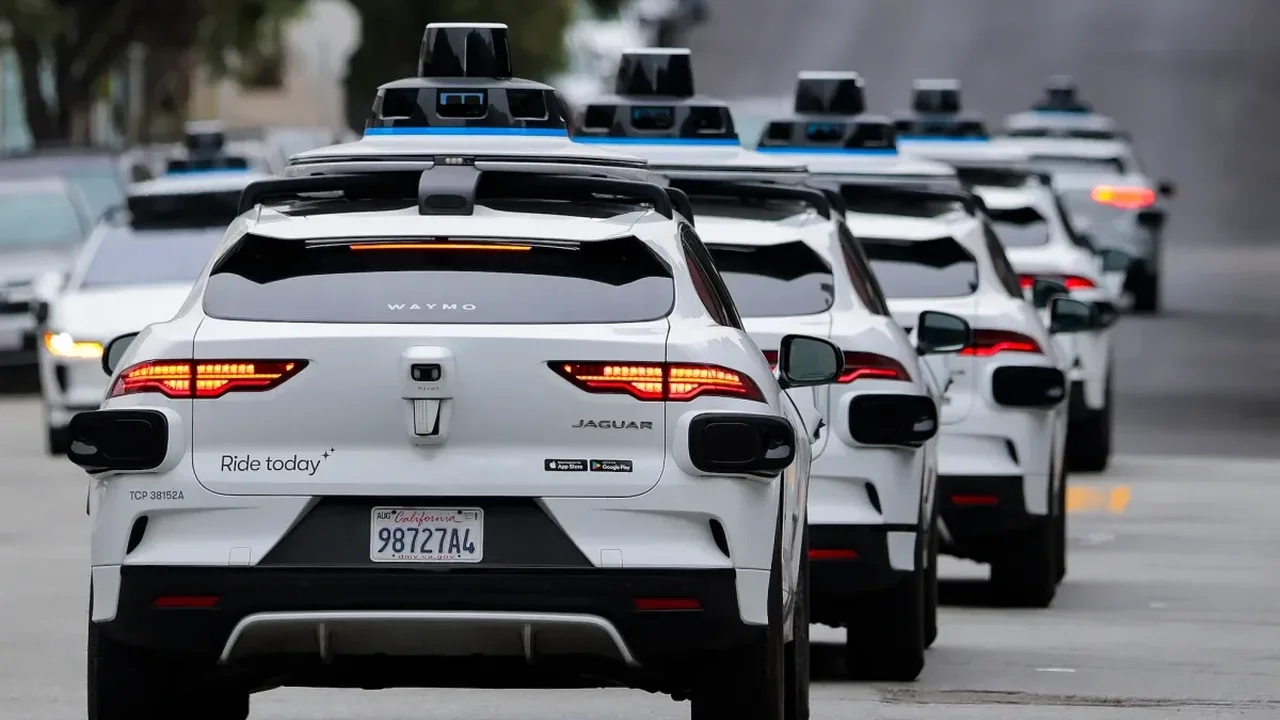
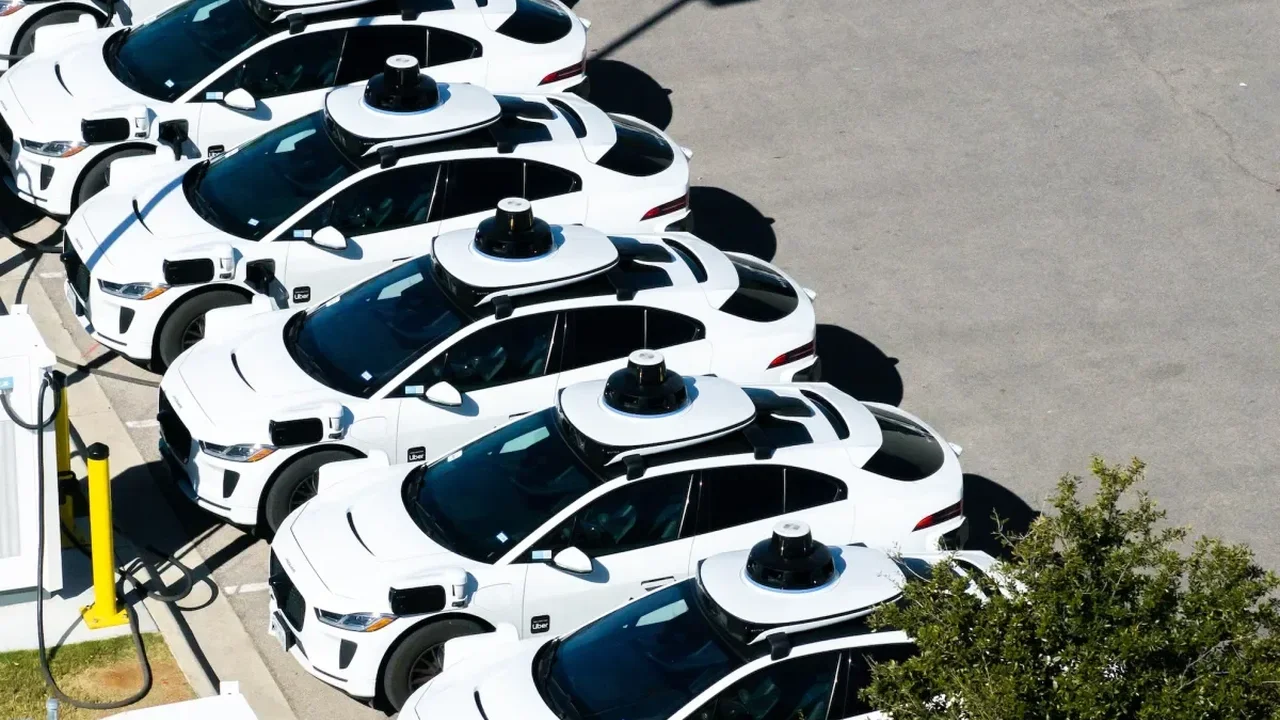
Waymo's testing footprint grew quickly as the company widened service areas and expanded its fleet to more than 3,500 vehicles by mid-2025. In the same period, Transdev, which manages Waymo test drivers, reported injuries across San Francisco, Los Angeles, and Phoenix, including incidents that left workers sidelined for weeks or months.
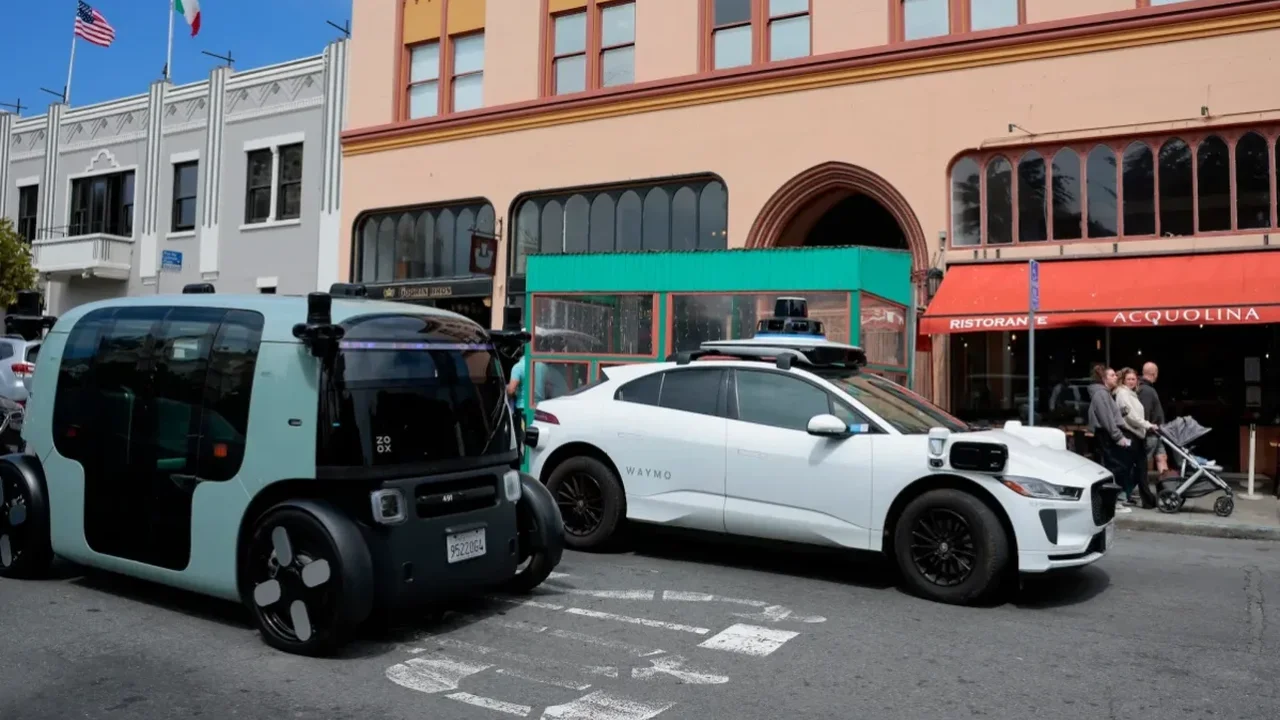
Zoox contractors described a similar pattern, saying abrupt stops -- often called "brake jabs" internally -- could happen more than once in a single drive. Some workers said the vehicle's autonomous system would react to perceived debris or trigger a shutdown sequence that led to a hard stop. Zoox said it follows reporting rules and noted that such events represent a small share of its test mileage.
The company is now moving from testing toward broader commercial service, beginning paid rides in Las Vegas while continuing trials in several U.S. cities. Waymo, meanwhile, says its long-running validation process is part of responsible deployment and that lessons from testing are folded back into the service.
For both companies, the data points to a familiar pattern in emerging mobility: as autonomous systems scale, real-world testing becomes a key proving ground for refinement, reliability, and trust. The next phase of robotaxis may be shaped as much by safety engineering as by software progress.