The quest to uncover life beyond our planet has traditionally revolved around identifying rocky planets situated in the habitable zone, where conditions might support liquid water. However, a groundbreaking study from the University of Washington indicates that this criterion may be overly simplistic. The research suggests that a planet must possess significantly more water than previously thought to maintain a stable environment suitable for life.
Published in The Planetary Science Journal, the findings reveal that Earth-sized rocky planets require at least 20% to 50% of the water found in Earth's oceans to keep surface water stable over extended periods. When water levels fall below this threshold, a planet's climate may begin to deteriorate.
Lead author Haskelle White-Gianella, a doctoral student at UW, explained, "Our focus was on arid planets with minimal surface water, far less than one Earth ocean. While many of these planets lie within the habitable zone of their respective stars, we questioned their actual habitability."
To date, scientists have identified over 6,000 exoplanets, many of which orbit within the habitable zone--the region around a star where liquid water could potentially exist. Yet, being in this favorable orbit does not guarantee a hospitable environment.
Arid planets often enter discussions about habitability because they can still fall within the right temperature range. The critical question, however, is whether a planet with limited water can sustain a stable climate over geological timeframes. Simulations conducted by the research team indicate that the answer is frequently negative.
The core issue relates to the geologic carbon cycle, a slow but essential mechanism that regulates Earth's climate. On our planet, volcanic activity releases carbon dioxide into the atmosphere, while rainwater interacts with exposed rocks to remove this carbon over time. This process locks carbon away in sediments and ocean crust, with tectonic activity later returning some of it to the atmosphere. This cycle acts as a long-term climate regulator, but it is heavily dependent on water.
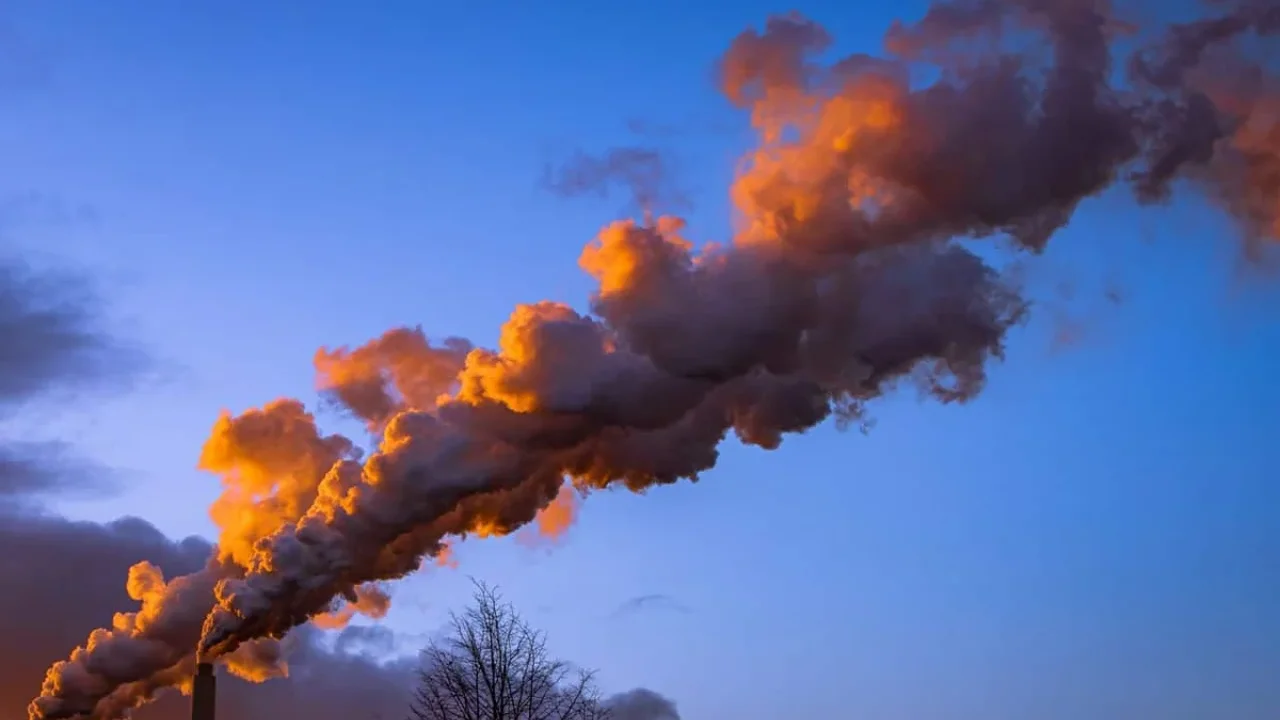
When water resources diminish, the climate regulation system falters. Insufficient rainfall and weathering can lead to increased atmospheric carbon dioxide levels, trapping heat and elevating temperatures, which accelerates the evaporation of remaining surface water. Consequently, a planet can transition from being in the habitable zone to becoming inhospitable.
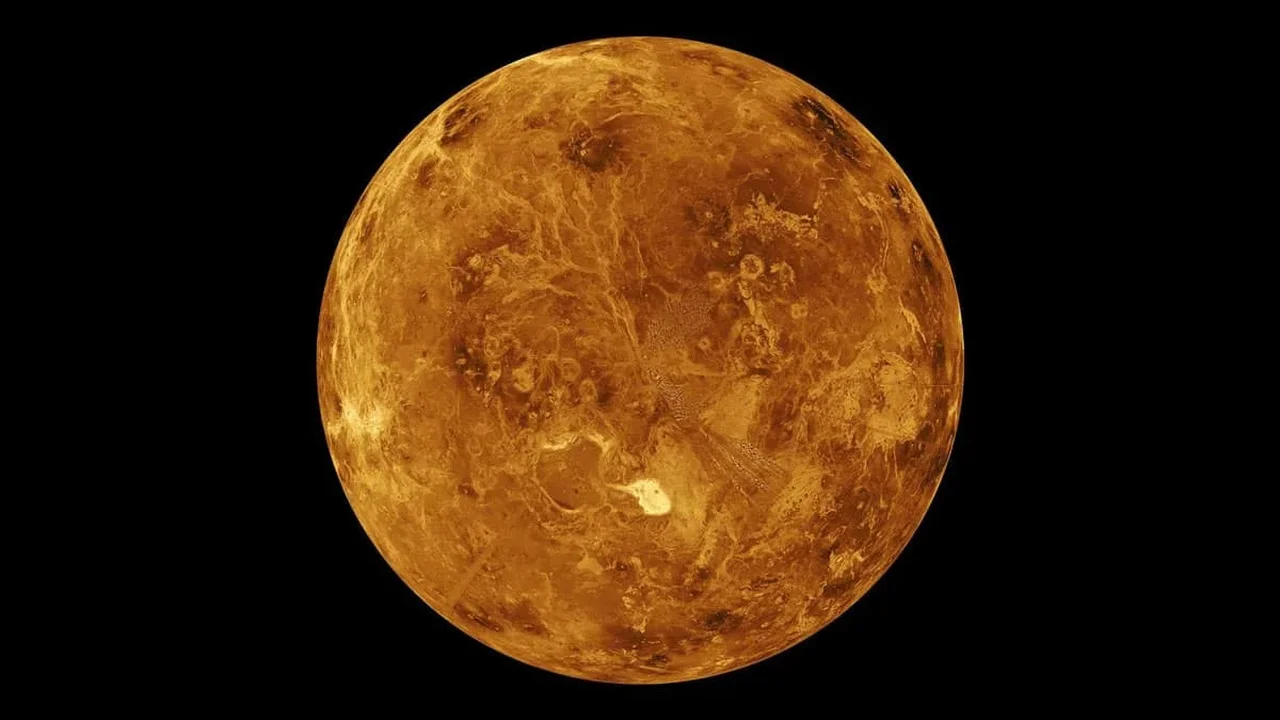
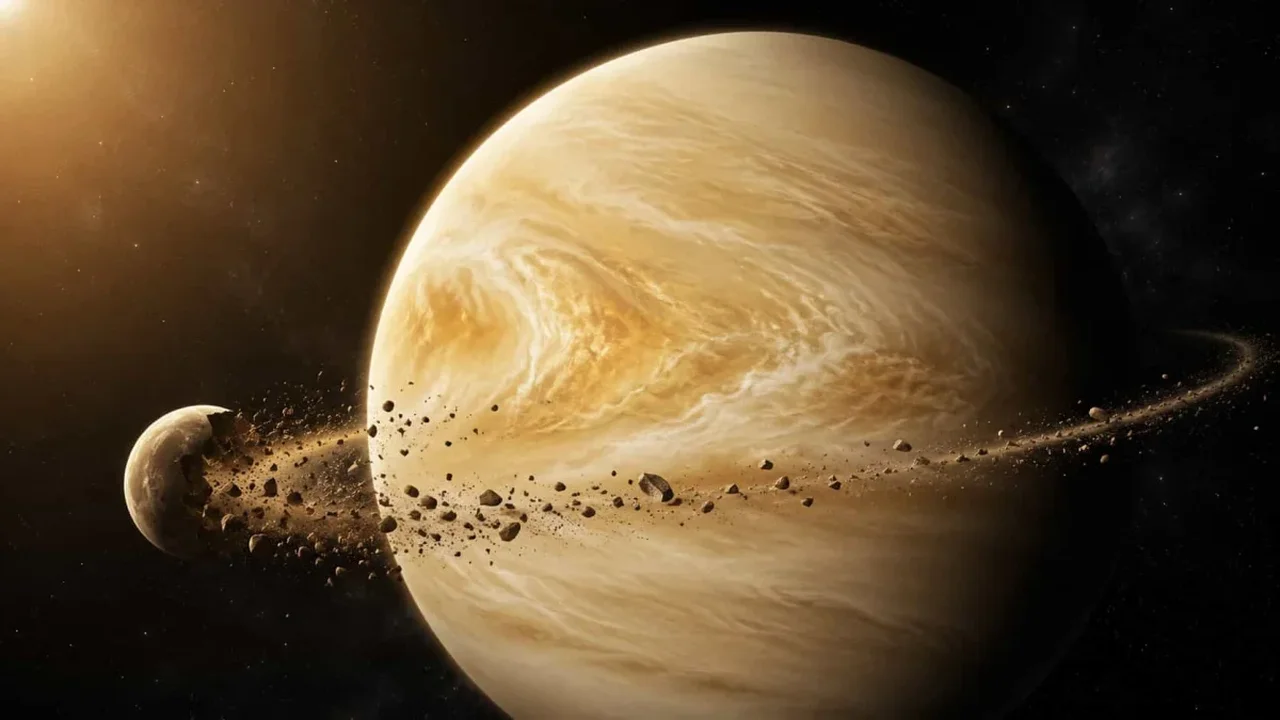
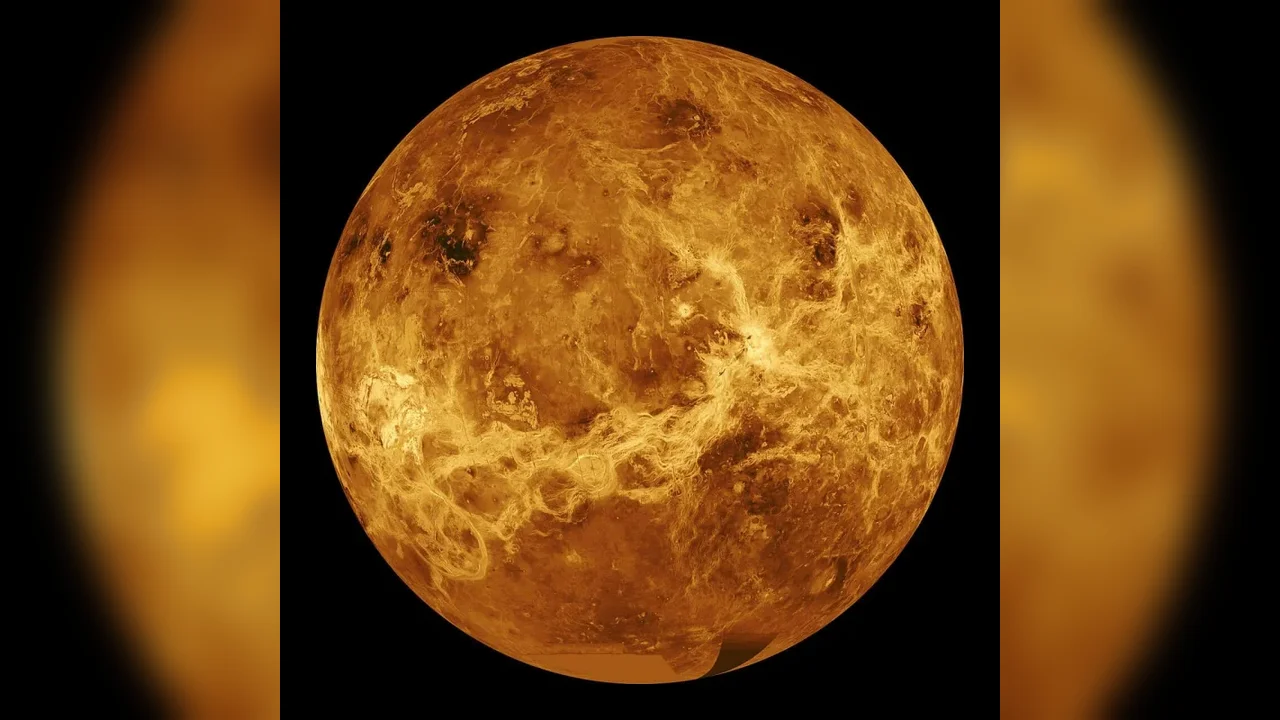
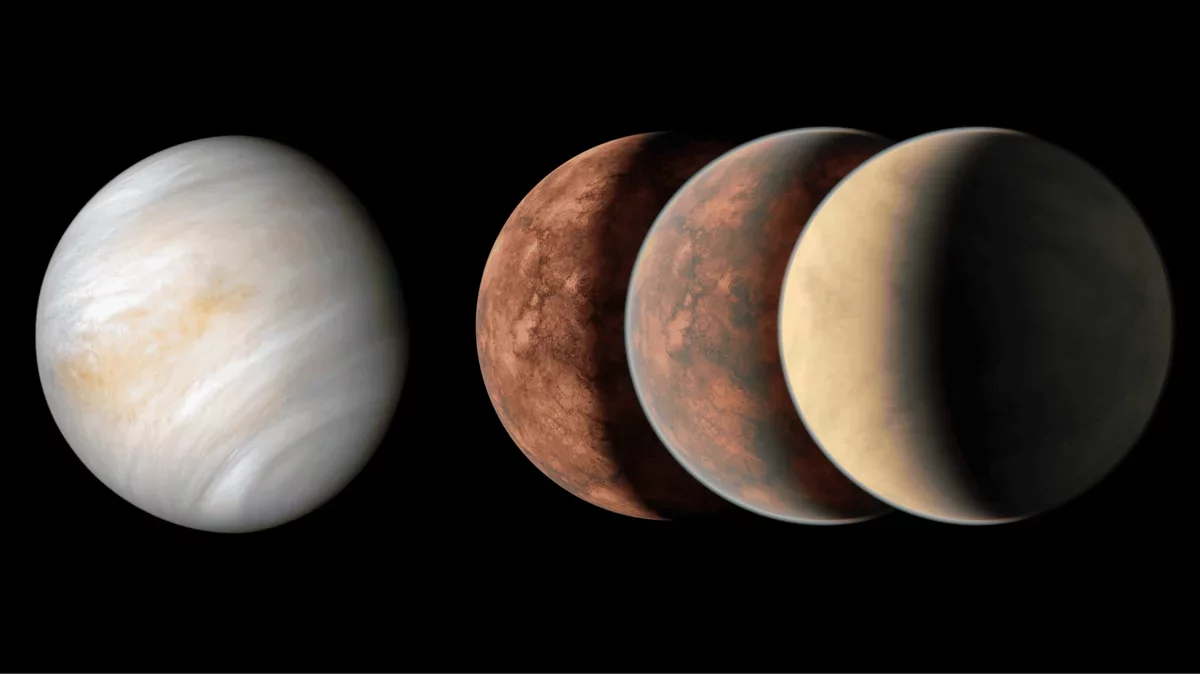
The study also draws parallels with Venus, a planet similar in size to Earth. Researchers suggest that even minor variations in early water levels or initial conditions may have set Venus on a drastically different trajectory, ultimately leading to the extreme climate observed today. Future missions to Venus aim to uncover insights that could enhance our understanding of distant planets.
While dry planets are not entirely ruled out as potential homes for life, this research indicates they may be less promising candidates than previously believed. As astronomers navigate a universe filled with rocky planets, this study emphasizes the importance of water as a fundamental requirement for sustaining life.