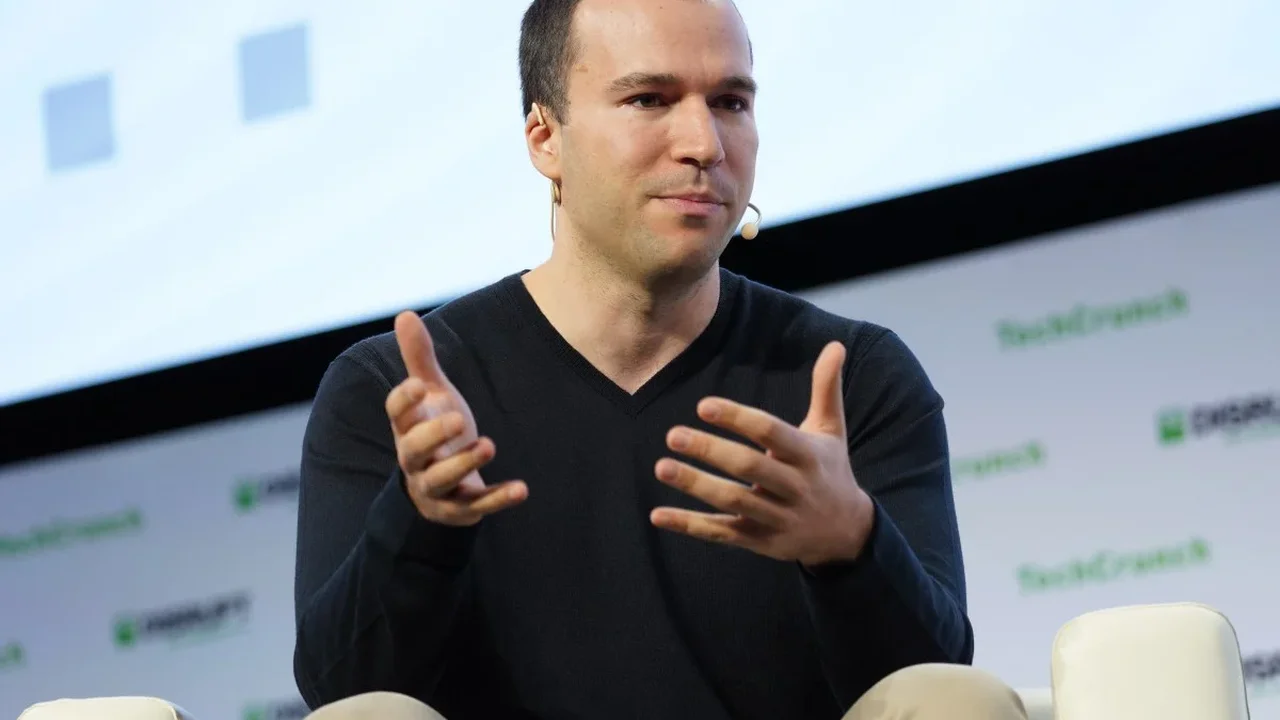
OpenAI's AI tools are showing how quickly advanced models can help uncover software vulnerabilities. Max Justicz, cofounder and chief technology officer of Charge Robotics, says he used GPT 5.6 Sol to identify a serious flaw in software used by Ubuntu servers. The vulnerability could have enabled server takeover if exploited.
Justicz reported the issue to the Debian Project, which maintains the affected code, and a patch was issued. There is no known evidence that the flaw was exploited.
Expanding AI-assisted security research
OpenAI has introduced ChatGPT Cyber, a cybersecurity-focused model available to top-tier participants in its Daybreak Red program. The company says the model has also helped examine the Linux kernel, identifying 948 potential issues, and find 81 previously unknown vulnerabilities in Firefox.
OpenAI has pledged to expand access to advanced security research and announced a $1 billion initiative to support professionals protecting critical infrastructure, including electricity and water systems. The company says it is dedicating significant computing resources to finding and patching flaws in open-source software.
However, the pace and cost of this work raise questions about whether defenders have enough people and resources to keep up. OpenAI says thousands of cybersecurity professionals are in its program, while the tools' potential reach extends beyond that group. Justicz said his own vulnerability research cost about $5,000; OpenAI reported spending $1.2 million on its Linux investigation.
As AI capabilities advance, widening responsible access to defensive tools and speeding up coordinated patching could become increasingly important to the security of widely used software.