Recent findings published in the Proceedings of the National Academy of Sciences highlight the significant role of certain microbes in marine ecosystems and how they may adapt to changing ocean temperatures.
Key Microbes in Ocean Nutrient Dynamics
The archaea Nitrosopumilus maritimus and its relatives constitute approximately 30% of marine microbial plankton. These microorganisms are crucial for ocean chemistry, facilitating reactions that underpin marine life. By oxidizing ammonia, they play an integral part in the ocean's nitrogen cycle, which is vital for the growth of microbial plankton--the foundation of the marine food web. Their activity is essential for maintaining ocean biodiversity.
Effects of Deep-Sea Warming
According to Wei Qin, a microbiology professor at the University of Illinois Urbana-Champaign, "Ocean-warming effects may extend to depths of 1,000 meters or more." This challenges the previous belief that deeper waters remain insulated from surface temperature changes. The warming may alter how these abundant archaea utilize iron, a critical metal for their survival, potentially impacting its availability in the deep ocean.
Enhanced Iron Efficiency in Warmer Waters
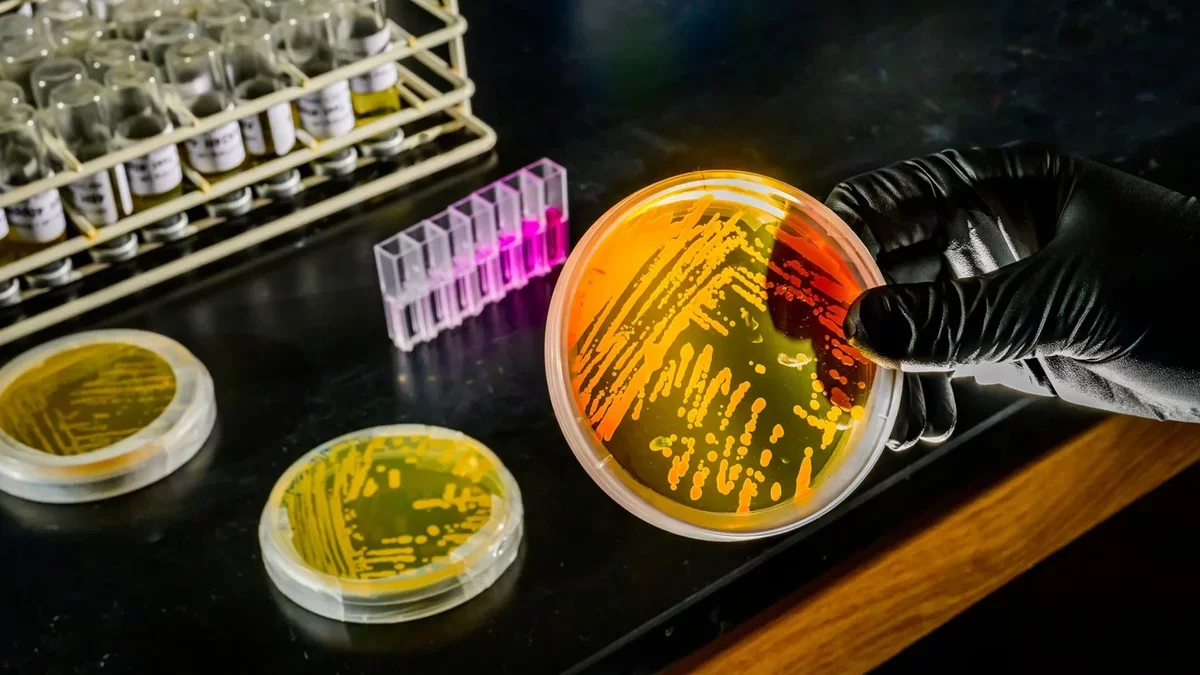
In a series of meticulously controlled experiments led by Qin and David Hutchins, a global change biology professor at the University of Southern California, researchers exposed Nitrosopumilus maritimus cultures to varying temperatures and iron levels. The results revealed that, under warmer conditions with limited iron, these microbes demonstrated increased efficiency in iron utilization, indicating an adaptive metabolic response to rising temperatures and reduced metal availability.
Future Implications for Ocean Chemistry
Combining these experimental results with global ocean biogeochemical modeling by Alessandro Tagliabue from the University of Liverpool, the research suggests that deep-ocean archaeal communities might not only maintain but potentially enhance their role in nitrogen cycling and supporting primary production in iron-limited regions as the climate warms.
Upcoming Research Expedition
This summer, Qin and Hutchins will embark on a research expedition aboard the vessel Sikuliaq. The journey will span from Seattle to the Gulf of Alaska and further to the subtropical gyre, with a planned stop in Honolulu, Hawaii. Accompanied by 20 fellow researchers, they aim to study natural archaeal populations in the ocean to validate their experimental findings and deepen the understanding of how temperature and metal availability influence microbial dynamics in the deep sea.
Qin is also associated with the Carl R. Woese Institute for Genomic Biology. This research has received support from various organizations, including the National Science Foundation and the Simons Foundation.