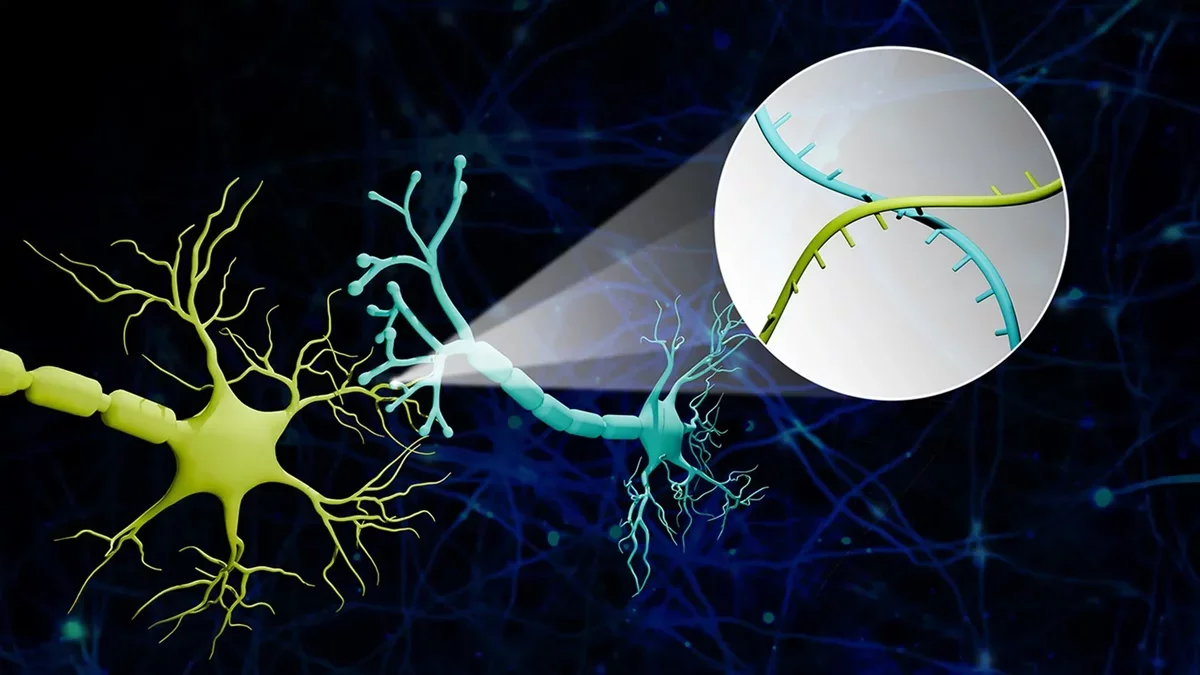
Recent advancements in neuroscience have unveiled a groundbreaking method for mapping the intricate wiring of the brain using RNA barcodes. This innovative approach promises to enhance our understanding of the organization and functionality of complex neural networks, potentially illuminating the mechanisms behind neurological disorders and the progression of diseases such as Alzheimer's.
Boxuan Zhao, a professor of cell and developmental biology at the University of Illinois Urbana-Champaign and the study's lead author, emphasized the importance of understanding brain circuitry. "When engineering a computer, knowing the circuitry of the central processing unit is crucial. Similarly, we must comprehend how the brain's wiring functions to optimize and repair it," he stated.
The newly developed technology allows for the simultaneous mapping of thousands of neural connections with unprecedented single-synapse resolution, a capability that existing technologies lack. This method could play a pivotal role in identifying circuit dysfunctions associated with neurodegenerative diseases and may serve as a foundation for creating targeted therapeutic interventions.
The findings were published in the journal Nature Methods.
A Revolutionary Approach to Brain Mapping
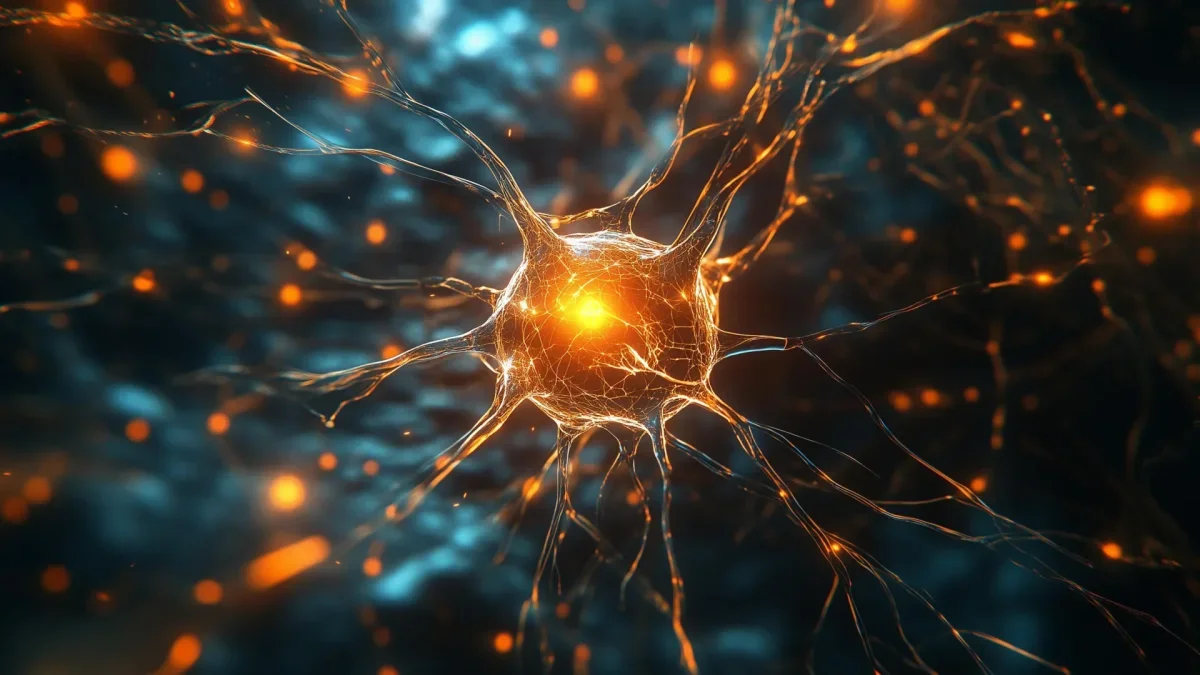
Traditionally, mapping the brain has been a labor-intensive process, requiring scientists to slice brain tissue into thin sections and manually piece together neural pathways. Although modern sequencing tools can label multiple neurons simultaneously, they often fail to pinpoint the exact synaptic connections between neurons. Zhao's team addressed this challenge by developing a platform named Connectome-seq, which assigns each neuron a unique RNA "barcode." These barcodes are transported by specialized proteins from the neuron's body to the synapse, where neurons connect.
By isolating these synapses and employing high-throughput sequencing, researchers can identify which barcodes are linked, thereby revealing direct neural connections and enabling large-scale network mapping.
Innovative Sequencing for Neural Connectivity
"We approached the neural connectivity challenge as a sequencing problem," Zhao explained. "Imagine a cluster of balloons, each adorned with unique barcode stickers. When two balloons are tied together, their barcodes meet at the junction. By snipping the knots and sequencing the barcodes, we can determine which balloons are connected. We apply this concept to thousands of neurons, reconstructing a sophisticated map of their connections."
Uncovering New Neural Pathways
Using Connectome-seq, the research team successfully mapped over 1,000 neurons in the pontocerebellar circuit of a mouse brain, revealing previously unknown connectivity patterns, including direct links between cell types that were not recognized as interconnected in the adult brain.
"With ongoing improvements in our lab, we are optimistic about our ability to enhance this technique and ultimately achieve a complete mapping of the mouse brain," Zhao added.
Transforming Research on Brain Disorders
Connectome-seq's rapid and scalable nature positions it as a game-changer for research into neurodegenerative diseases, psychiatric disorders, and other brain-related conditions. By comparing neural connections in healthy brains against those affected by various stages of disease, scientists may identify early circuit changes.
"The efficiency of sequencing-based methods significantly reduces time and costs, enabling us to detect differences across brains. This could help pinpoint vulnerable areas in the brain, potentially before symptoms manifest," Zhao noted. "If we can identify the weak links that trigger the cascade of Alzheimer's, we may find ways to reinforce these connections and slow or halt disease progression."
This research received support from the Neuro-omics Initiative grant from the Wu Tsai Neurosciences Institute at Stanford University, alongside funding from the Elsa U. Pardee Foundation and the Edward Mallinckrodt Jr. Foundation.