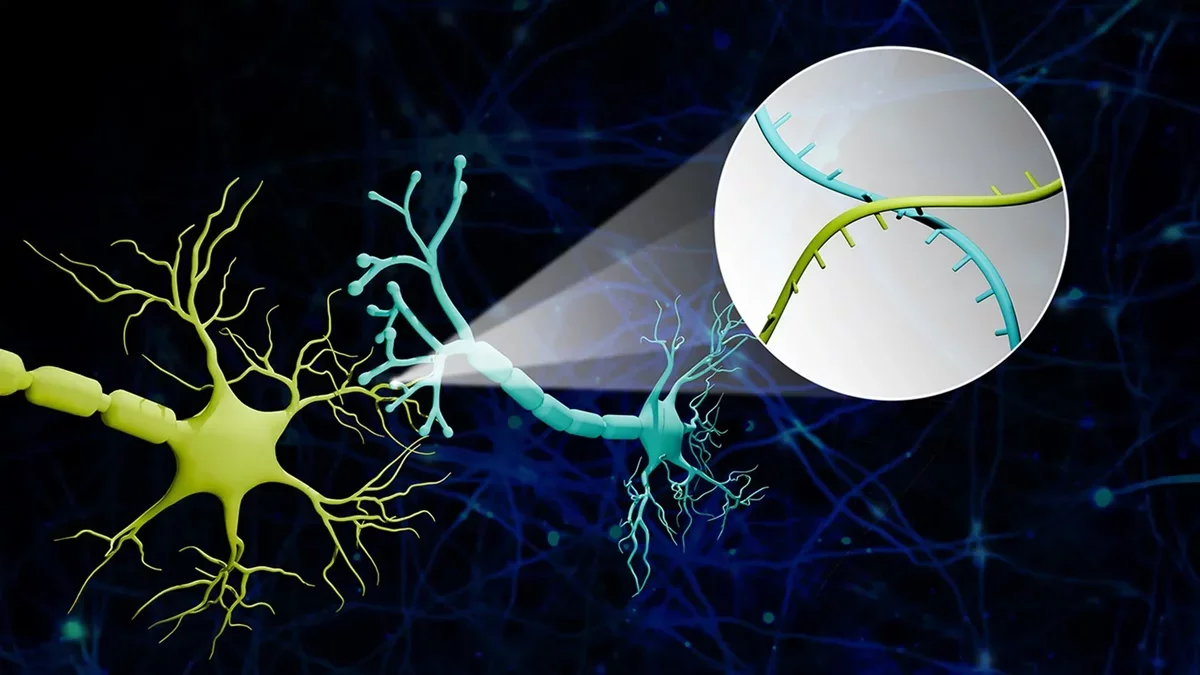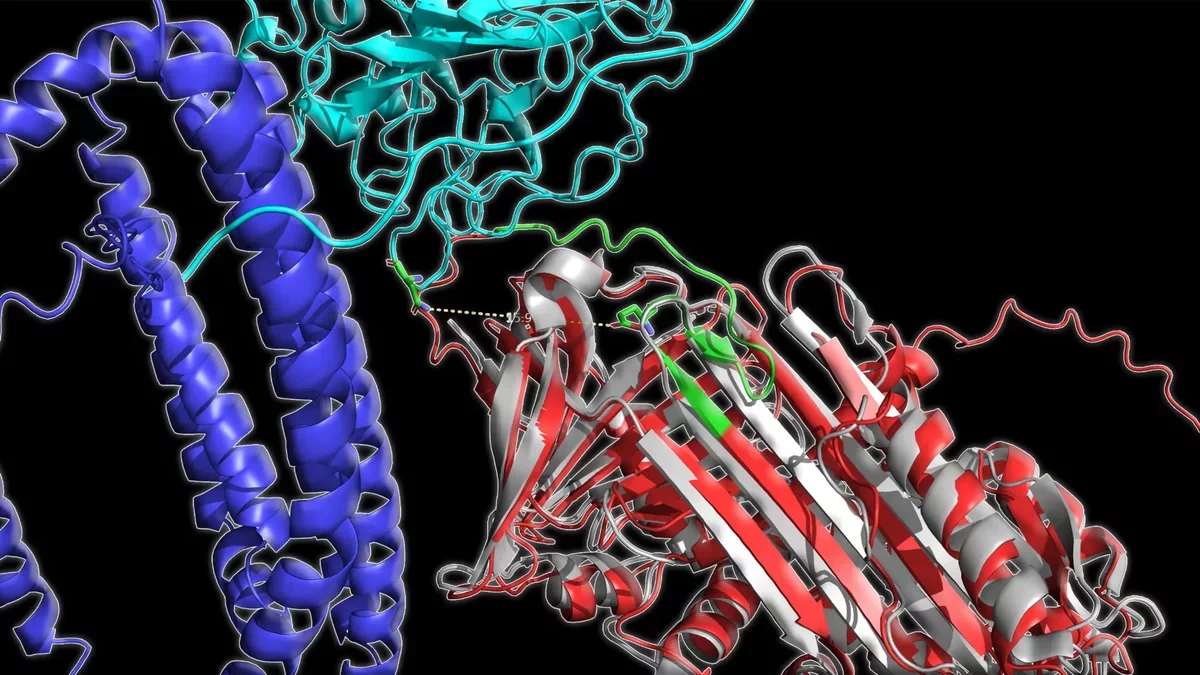
Researchers at Scripps Research have pioneered a novel blood test that analyzes the folding patterns of proteins in the bloodstream, rather than merely measuring their quantities. Published in Nature Aging, their study reveals that structural variations in three plasma proteins are closely associated with Alzheimer's disease. This groundbreaking approach enables scientists to differentiate between cognitively healthy individuals and those with Alzheimer's or mild cognitive impairment (MCI), potentially facilitating earlier diagnosis and treatment.
John Yates, a senior author and professor at Scripps Research, states, "Many neurodegenerative diseases are influenced by changes in protein structure. The key question is whether these structural alterations in specific proteins can serve as predictive markers."
Understanding Protein Folding and Proteostasis
Traditionally, Alzheimer's has been linked to the accumulation of amyloid plaques and tau tangles in the brain. However, an emerging perspective suggests that the disease may stem from a broader disruption in proteostasis--the biological system responsible for maintaining proper protein folding and eliminating damaged proteins.
As individuals age, this system's efficiency declines, leading to an increased likelihood of incorrect protein folding. The researchers hypothesized that if proteostasis is compromised in the brain, similar structural changes might be detectable in blood proteins.
Investigating Blood Protein Structures
The research team analyzed plasma samples from 520 individuals, categorized into three groups: cognitively normal adults, those with mild cognitive impairment, and Alzheimer's patients. Utilizing mass spectrometry, they assessed the exposure of specific regions within proteins, indicating structural changes. Machine learning techniques were then employed to identify patterns linked to the disease's progression.
The analysis revealed a consistent trend: as Alzheimer's advanced, certain blood proteins exhibited reduced structural openness. Importantly, these changes provided more insight into disease stages compared to conventional protein concentration measurements.
Key Proteins Associated with Alzheimer's Progression
Among the proteins examined, three demonstrated a significant correlation with disease status: C1QA, involved in immune signaling; clusterin, which aids in protein folding and amyloid clearance; and apolipoprotein B, crucial for fat transport in the bloodstream and vascular health.
Co-author Casimir Bamberger expressed surprise at the strong correlation found between specific lysine sites on these proteins and disease state, noting an impressive classification accuracy of approximately 83%. When directly comparing healthy individuals to those with MCI, the accuracy exceeded 93%.
Monitoring Alzheimer's Over Time
This three-protein model maintained reliability across independent participant groups and even when blood samples were retested months later. The method achieved around 86% accuracy in identifying disease status over time and showed a strong correlation with cognitive assessments and a moderate relationship with MRI results indicating brain shrinkage.
These findings suggest that structural analysis of blood proteins could complement existing tests for amyloid and tau, providing insights into disease stages, progression, and treatment efficacy.
Looking Ahead
"Early detection of Alzheimer's markers is crucial for developing effective treatments," Yates emphasized. "Initiating treatment before significant damage occurs may help preserve long-term memory." Future studies will involve larger cohorts and longer follow-up periods to validate these results. Researchers are also considering whether this structural profiling approach could be applied to other conditions, such as Parkinson's and cancer.