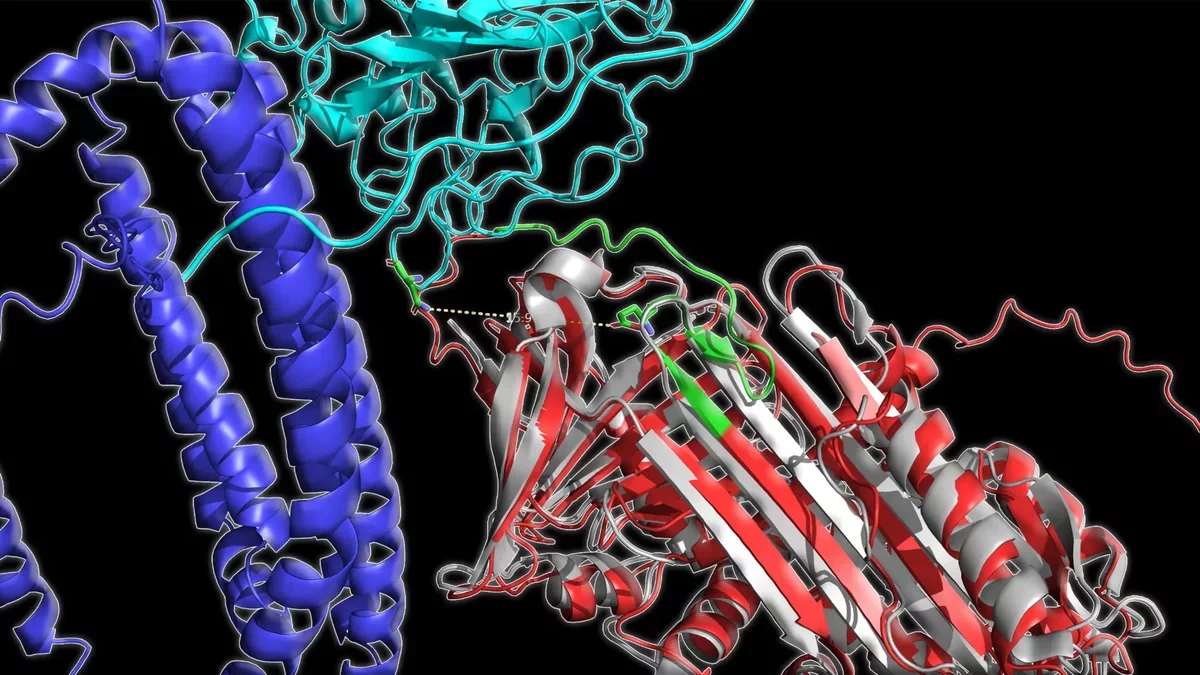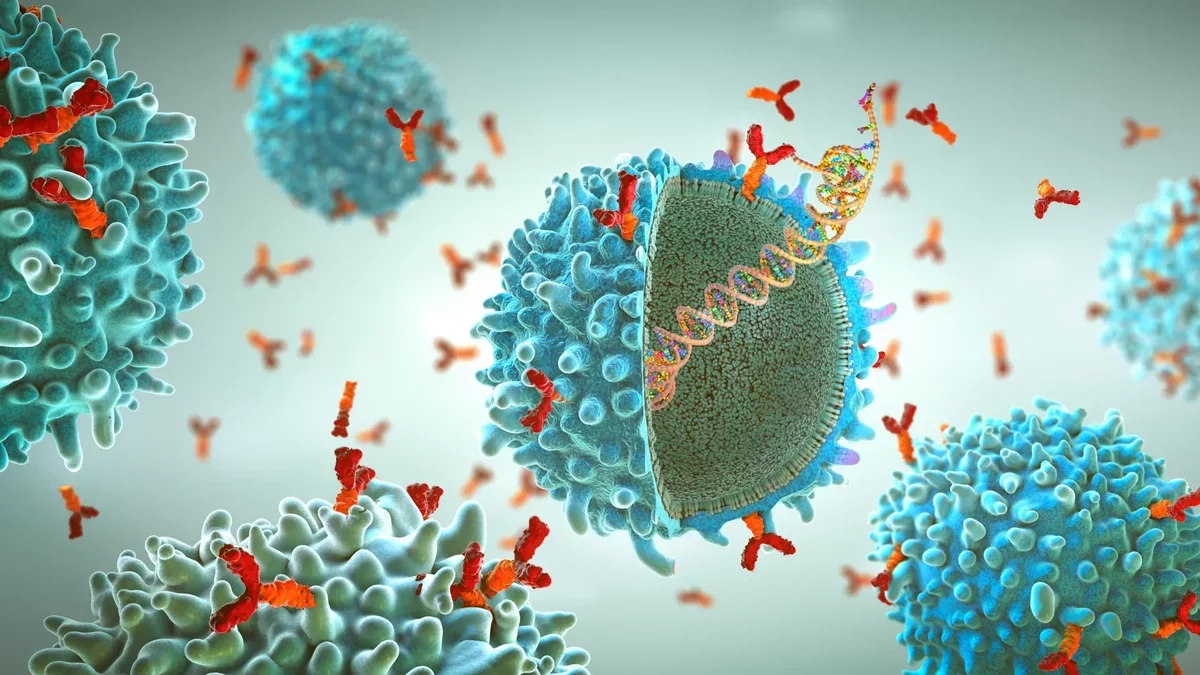
Researchers from Scripps Research, in collaboration with IAVI and other partners, have made significant strides in studying viral proteins through a novel platform that utilizes nanodisc technology. This innovative method encapsulates proteins within lipid-based nanodiscs, effectively simulating the natural environment of the virus's outer membrane. This advancement allows for a more accurate examination of how antibodies interact with these viruses, paving the way for future vaccine development.
Revolutionizing Viral Protein Studies
Published in Nature Communications, the study explored proteins from both HIV and Ebola, two viruses notorious for complicating vaccine creation due to their complex surface proteins. The researchers propose that this method could extend to other viruses with similar membrane-bound proteins, such as influenza and SARS-CoV-2.
Co-senior author William Schief, a professor at Scripps Research and executive director of vaccine design at IAVI's Neutralizing Antibody Center, remarked, "For many years, we've had to rely on versions of viral proteins that are missing important pieces. Our platform allows us to study these proteins in a setting that better reflects their natural environment, which is crucial for understanding how protective antibodies recognize a virus."
In natural viruses, surface proteins are anchored within a lipid membrane, arranged in specific configurations. Traditional laboratory methods often simplify these proteins by removing their membrane-anchoring segments, which can obscure critical details relevant to antibody targeting.
To address this, the research team incorporated vaccine candidate proteins into nanodiscs, creating stable lipid patches that closely resemble the virus's outer layer. This setup enables scientists to investigate antibody interactions in a context that mirrors real-world conditions. Additionally, the platform supports established vaccine research methodologies, including antibody binding assays, immune cell sorting, and high-resolution imaging.
Enhanced Understanding of Antibody Dynamics
Focusing on HIV, the researchers examined a stable region of the virus's surface protein located near the membrane, which is targeted by antibodies capable of neutralizing a wide range of HIV variants. These antibodies recognize consistent elements of the virus, making them invaluable for vaccine research.
With the nanodisc platform, the team obtained detailed structural insights into how these antibodies engage with viral proteins in their natural membrane context, revealing interactions that are invisible when proteins are studied in isolation. This understanding could inform the design of more effective vaccines by highlighting how certain antibodies disrupt viral structures essential for infection.
Broad Applications Beyond HIV and Ebola
The versatility of this method was further demonstrated when researchers applied it to Ebola proteins, confirming that antibodies could effectively recognize and bind to these proteins within a similar membrane-like setting.
The platform not only facilitates structural analyses but also enhances the study of immune responses to vaccine candidates. By using nanodiscs as molecular bait, scientists can isolate immune cells that respond to specific viral proteins, providing clearer insights into the body's reactions to various vaccine designs. Moreover, the efficiency of this system allows processes that previously took months to be completed in about a week, streamlining the comparison of multiple vaccine candidates.
Accelerating Vaccine Innovation
While the platform itself is not a vaccine, it represents a powerful tool for advancing vaccine research, particularly for challenging viruses. Schief emphasized, "This provides the field with a more realistic and accurate way to test concepts early on. By enhancing our understanding of viral proteins and antibody responses, we aspire to accelerate the development of next-generation vaccines against some of the world's most formidable viruses."