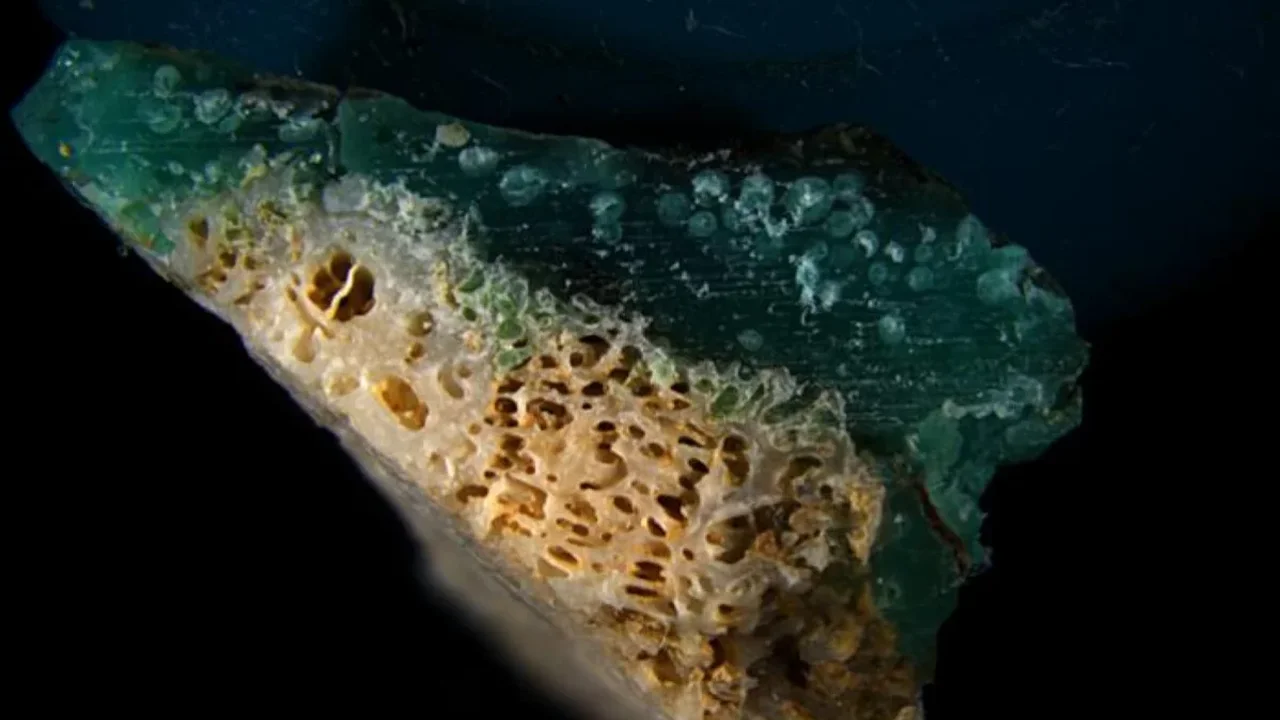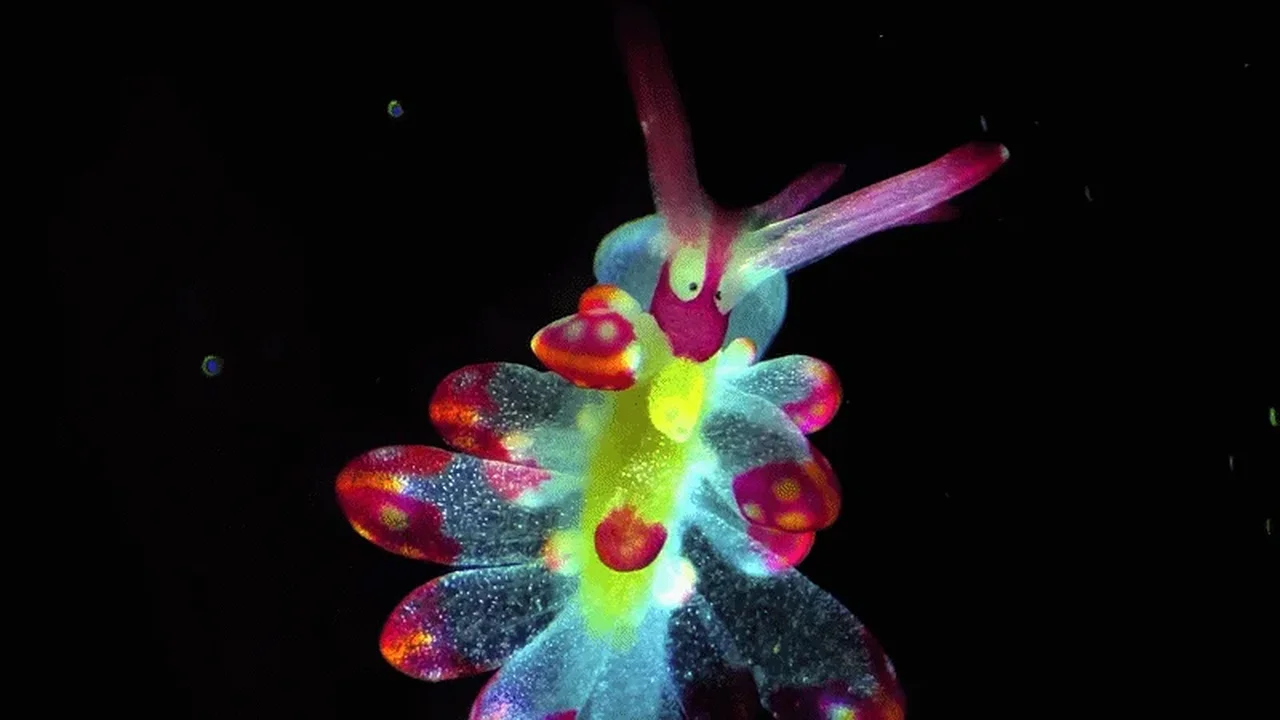
Nikon's Small World in Motion competition has completed its 16th edition, spotlighting the remarkable activity unfolding at microscopic scale. More than 340 entries from 40 countries were assessed by a panel of scientists, researchers and science communicators.
Cellular Motion Meets Scientific Discovery
First place went to Beijing-based researcher Dr. Ning Xu for documenting the unusual movement of airway cilia in a child with Primary Ciliary Dyskinesia, a genetic condition that affects respiratory function. The work demonstrates how microscopy can make complex biological processes more understandable beyond the laboratory.
Other recognized entries explored the movement of a tiny roundworm alongside a single-celled Dileptus, jellyfish larvae in water droplets, colonies of Volvox aureus algae and MSG salt crystals forming in solution.
By bringing together biology, technology and visual research, the competition offers a vivid perspective on the systems that shape living organisms and everyday materials. It also reflects the growing role of advanced microscopy in education, communication and scientific curiosity.
As imaging technologies become more accessible and precise, they may help more people engage with research that could shape future approaches to health, materials science and environmental discovery.