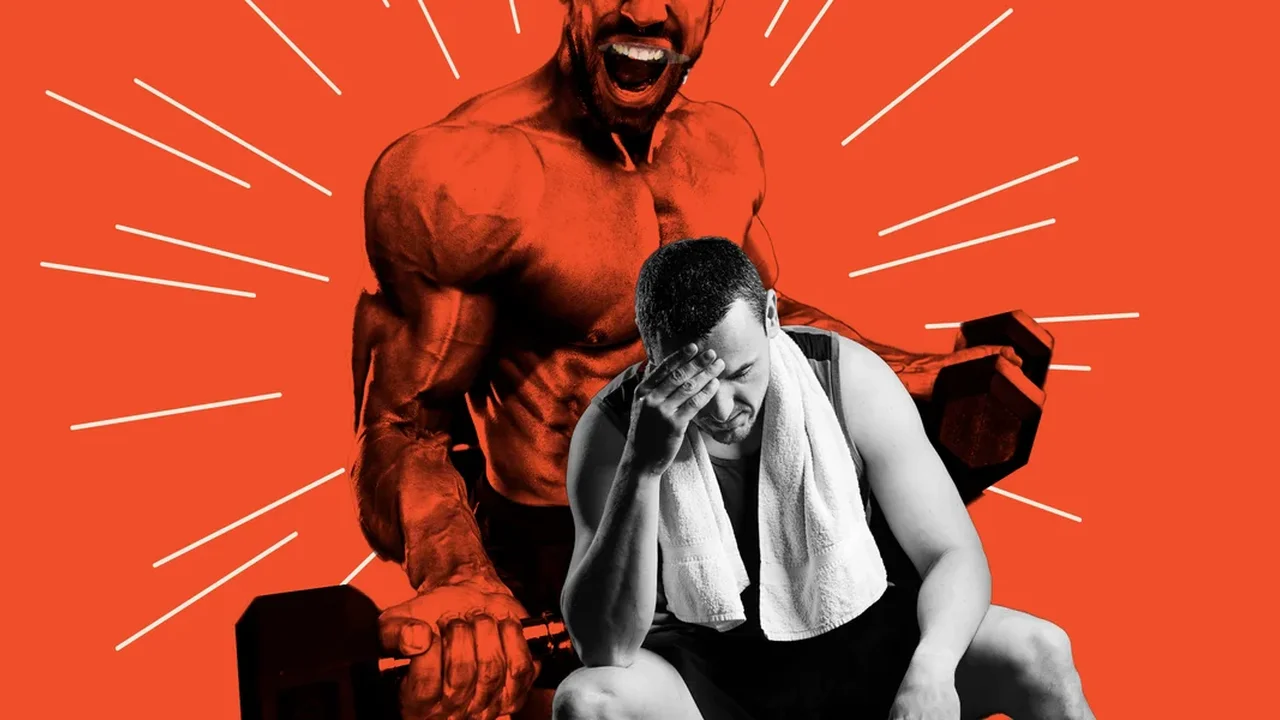
"Mogging" describes the feeling of being overshadowed by another person, often because of perceived differences in height, strength, appearance or social presence. The term entered wider online conversation and was named Collins Dictionary's 2026 Word of the Year.
Why comparison feels personal
People often assess themselves in relation to others, sometimes without realizing it. Research into social comparison links these judgments to the brain's reward systems. Physical strength and appearance can also shape first impressions of status, but psychologists distinguish between dominance, based on power, and prestige, earned through respect and contribution.
Neuroscientist Manesh Girn notes that feeling judged or unable to influence an outcome can raise cortisol, while envy may engage the anterior cingulate cortex, a region involved in processing pain and conflict. These responses can be stronger when the comparison concerns something a person values.
When comparison becomes a burden
Comparing oneself with others is common, but making self-worth depend on outperforming them can affect wellbeing. Jason Nagata, a researcher at the University of California, San Francisco, has described how excessive exercise may begin to interfere with young people's quality of life. Charlotte Markey, a psychology professor at Rutgers University, likewise cautions against treating social comparison as a reason to withdraw from everyday settings.
Social media can intensify the process by making idealized appearances and physiques more visible. In a study involving men aged 18 to 30, viewing muscular male bodies was associated with lower body satisfaction. The findings underscore how repeated exposure to comparisons can influence how people feel about themselves.
Physical cues may shape quick impressions, but appearance is only one part of how people earn lasting regard. As online comparison becomes increasingly constant, building self-worth around personal values and supportive relationships may help make digital spaces healthier.
In the years ahead, a better understanding of social comparison could help people engage with fitness and online culture in ways that support confidence without making it dependent on ranking themselves against others.