In a striking move that emphasizes the importance of inquiry, NPR has launched a new advertising campaign in partnership with New York-based agency Mischief. This initiative, titled For Your Right to Be Curious, aims to spark public curiosity and engagement by transforming NPR's logo into thought-provoking questions.
The campaign emerges against a backdrop of significant funding cuts to public media, where NPR's parent organization, the Corporation for Public Broadcasting (CPB), faced a $9 billion reduction in 2025. Despite these challenges, NPR remains committed to its mission of fostering an informed public, emphasizing the necessity of curiosity in a healthy democracy.
While CPB funding represented only about one percent of NPR's annual budget, the impact on local member stations, especially in rural areas, was more pronounced. Many of these stations relied on CPB for approximately 13 percent of their revenue, making them particularly vulnerable to financial fluctuations.
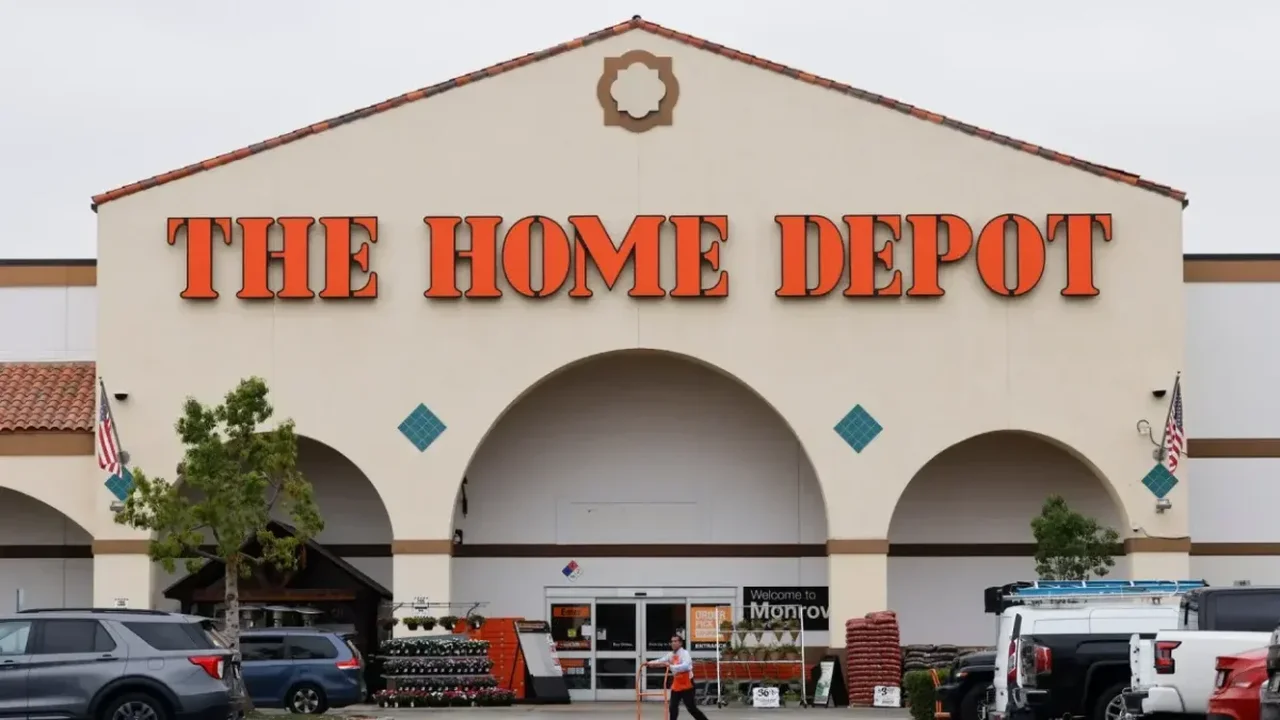
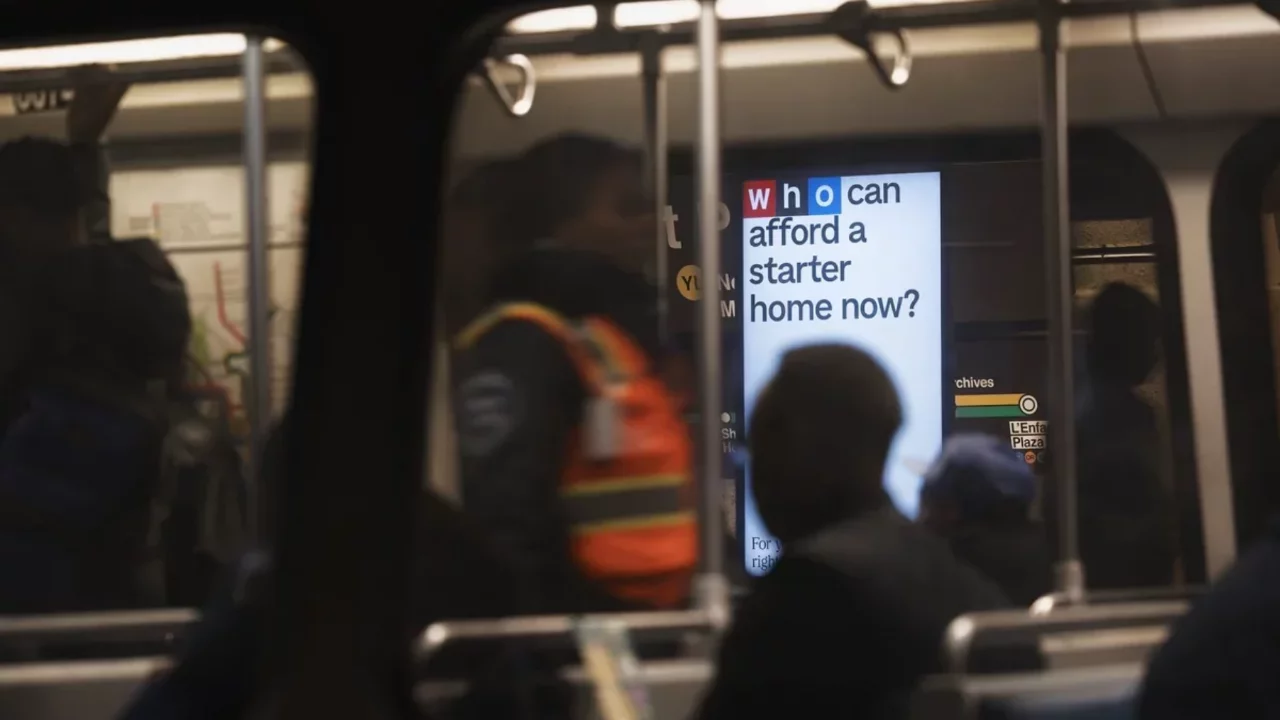
Despite these hurdles, NPR has doubled down on its commitment to journalism that inspires inquiry and understanding. The collaboration with Mischief reimagines the familiar NPR logo, replacing it with questions that resonate with listeners nationwide--questions like "How does AI affect my electric bill?" and "Why are groceries still so expensive?"
Mishka Pitter-Armand, NPR's chief marketing officer, underscores the campaign's ethos: "Curiosity is the fuel of a functioning democracy. NPR is essential civic infrastructure built to protect the right to inquiry." This campaign serves as a pledge to continue providing the public with the context necessary to explore complex issues, encouraging all Americans to engage in meaningful dialogue.
The campaign is set to appear across various platforms, including merchandise, billboards, and digital ads in high-traffic locations like the New York City subway. By transforming NPR's branding into a series of urgent questions, the initiative seeks to remind the public of the importance of asking difficult questions in pursuit of knowledge.
As NPR navigates these changes, it reaffirms its role as a critical source of information and a platform for public discourse. The future of media relies on the public's right to question and explore, and this campaign exemplifies how curiosity can drive engagement and understanding in society.