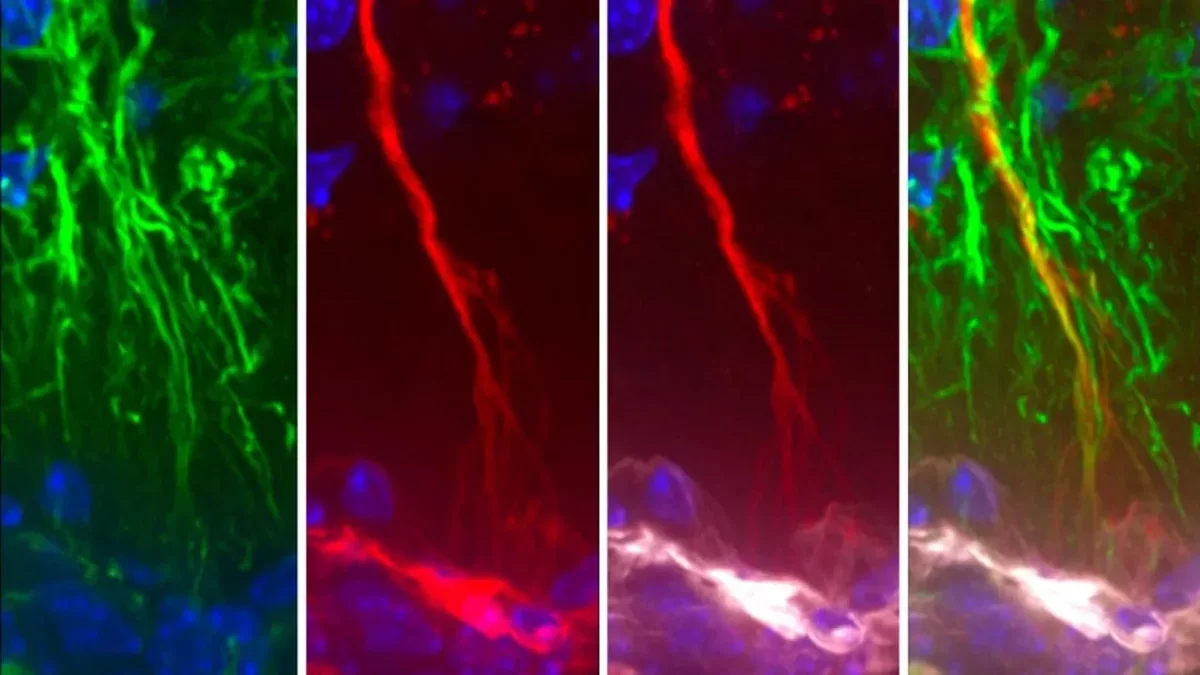
In a groundbreaking study, researchers have discovered that Chlamydia pneumoniae, a common bacterium associated with pneumonia, can reach the retina, the eye's light-sensitive tissue. This bacterium triggers immune responses linked to inflammation, nerve cell loss, and cognitive decline.
Dr. Maya Koronyo-Hamaoui, a professor at Cedars-Sinai Health Sciences University and the lead author of the study, noted, "The consistent presence of Chlamydia pneumoniae in human tissues, cell cultures, and animal models has revealed an important connection between bacterial infections, inflammation, and neurodegeneration. The eye serves as a proxy for the brain, indicating that retinal infections and chronic inflammation may reflect brain health and help identify those at risk for Alzheimer's through noninvasive imaging."
Correlation Between Bacterial Presence and Cognitive Decline
The research team examined retinal samples from 104 individuals, utilizing advanced imaging techniques, genetic tests, and protein analysis. Participants ranged from those with normal cognitive function to individuals diagnosed with Alzheimer's.
Findings indicated that Alzheimer's patients had significantly elevated levels of Chlamydia pneumoniae in both their retinas and brains compared to cognitively healthy individuals. Moreover, higher bacterial counts correlated with increased brain damage and cognitive impairment, particularly in those with the APOE4 gene variant, known to elevate Alzheimer's risk.
Infection's Role in Accelerating Alzheimer's Processes
To further explore this relationship, scientists conducted experiments on human nerve cells and Alzheimer's-afflicted mice. In both cases, infection with Chlamydia pneumoniae resulted in heightened inflammation, increased nerve cell death, and exacerbated cognitive issues. The infection also stimulated the production of amyloid-beta, a protein that accumulates in the brains of Alzheimer's patients.
Dr. Timothy Crother, a co-corresponding author of the study, expressed optimism, stating, "This discovery opens avenues for targeting the infection-inflammation connection as a potential Alzheimer's treatment." The research suggests that addressing chronic bacterial infections and their inflammatory effects could pave the way for innovative therapeutic strategies. Additionally, it reinforces the retina's potential as a noninvasive tool for detecting and monitoring Alzheimer's disease.
Collaborators from Cedars-Sinai included Bhakta Gaire, Yosef Koronyo, Jean-Philippe Vit, and others, with contributions from researchers such as Julie A. Schneider and Lon S. Schneider. The study received funding from several NIH/NIA grants and the Alzheimer's Association.