Recent research has unveiled the significant role of tanycytes, a type of brain cell, in the fight against Alzheimer's disease. Vincent Prevot, the lead researcher from INSERM in France, emphasizes that enhancing the health of these cells might improve the removal of tau proteins, potentially slowing disease progression.
Understanding Tanycytes
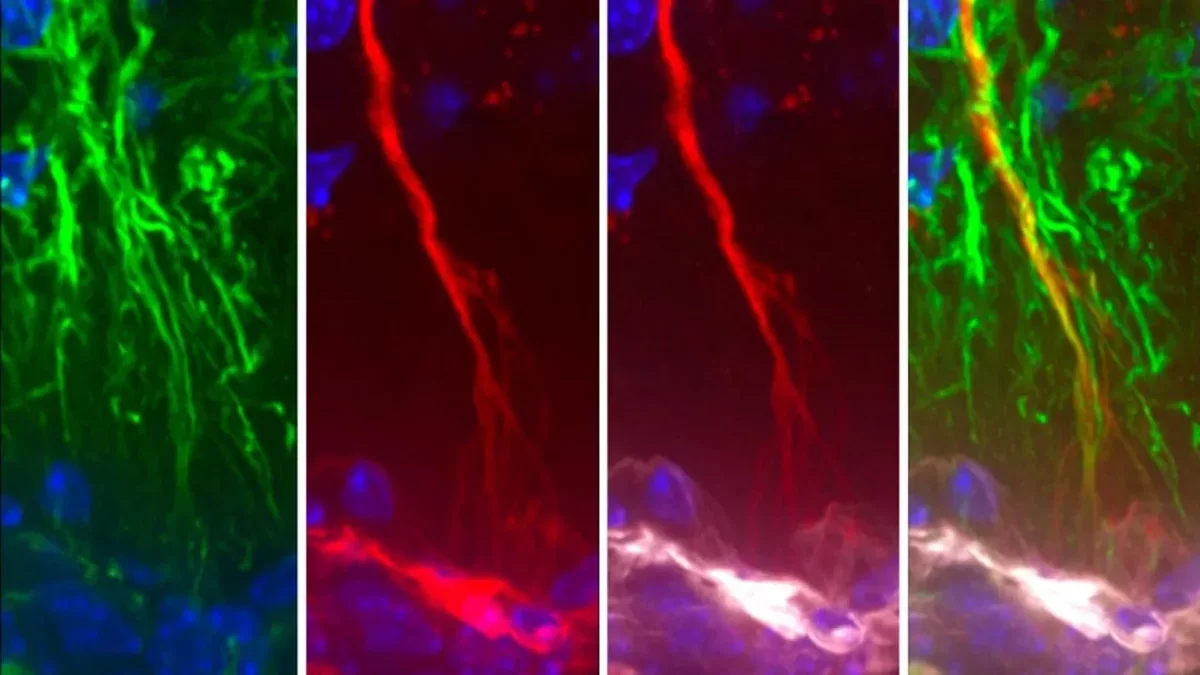
Tanycytes are specialized non-neuronal cells found primarily in the brain's third ventricle. They play a crucial role in facilitating the transfer of metabolic signals between the bloodstream and cerebrospinal fluid (CSF), which is essential for maintaining the brain's internal equilibrium.
The Role of Tanycytes in Tau Clearance
In their study, the researchers explored how tanycytes contribute to the elimination of toxic tau proteins that can harm brain function. The findings revealed that these cells transport harmful substances from the CSF into the bloodstream, where they can be effectively cleared from the body. If this transport mechanism is disrupted, tau accumulation can occur, leading to neurodegeneration.
Prevot noted, "Our experiments with rodent and cellular models demonstrated that tanycytes are indeed involved in tau clearance. Furthermore, we observed that in the brains of Alzheimer's patients, these cells exhibited fragmentation and altered gene expression, affecting their ability to perform this critical function."
Implications for Future Alzheimer's Treatments
The implications of this research are profound, suggesting that safeguarding the brain's metabolic balance could slow the progression of neurodegenerative diseases. However, the team acknowledges the hurdles ahead in developing targeted treatments for tanycytes. Key challenges include the absence of reliable animal models that accurately mimic Alzheimer's and the necessity for extensive patient studies to establish clear cause-and-effect relationships regarding tanycyte dysfunction and tau buildup.
Prevot remarked, "This research provides the first evidence of structural and functional changes in these previously overlooked brain cells in the context of human disease."
This pioneering work received support from notable organizations, including the European Research Council and the National Institutes of Health.