Researchers have utilized a cutting-edge light-based imaging technique alongside machine learning to investigate brain tissue from both healthy individuals and those affected by Alzheimer's disease. Their findings, published in ACS Applied Materials and Interfaces, indicate that chemical alterations associated with Alzheimer's extend beyond the well-known amyloid plaques, manifesting throughout the brain in intricate and uneven patterns.
Advanced Laser Imaging Techniques
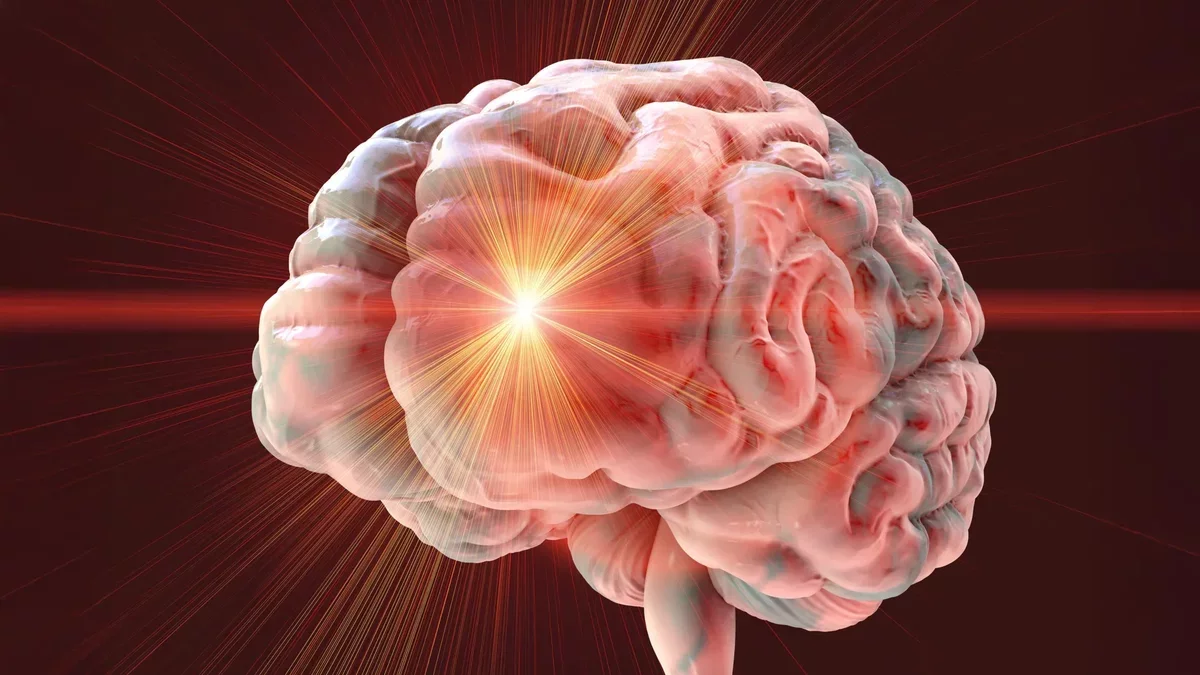
To uncover these subtle chemical changes, the team employed hyperspectral Raman imaging, a sophisticated variant of Raman spectroscopy that utilizes lasers to identify the distinct chemical signatures of molecules within brain tissue.
"Unlike traditional Raman spectroscopy, which captures a single measurement per molecular site, hyperspectral Raman imaging conducts thousands of measurements across entire tissue slices, creating comprehensive chemical maps," explained Ziyang Wang, a doctoral student in electrical and computer engineering at Rice University and the study's lead author. "This approach provides a detailed representation of how chemical compositions vary across different brain regions."
The researchers meticulously scanned entire brain slices, compiling thousands of overlapping measurements to generate high-resolution molecular maps for both healthy and diseased tissues. Notably, this imaging technique was label-free, meaning the samples were not treated with dyes or tags.
"This method allows us to observe the brain in its natural state, providing an unbiased view of its chemical composition," Wang added. "This enhances our ability to identify new disease-related changes that might otherwise go unnoticed."
Machine Learning Unveils Alzheimer's Damage Patterns
The extensive data generated during the imaging process was analyzed using machine learning (ML) techniques. Initially, the team applied unsupervised ML, enabling algorithms to identify natural patterns in the chemical signals without prior assumptions. Subsequently, supervised ML was employed to train models to differentiate between Alzheimer's and non-Alzheimer's samples, revealing how various brain regions exhibited Alzheimer's-affected chemistry.
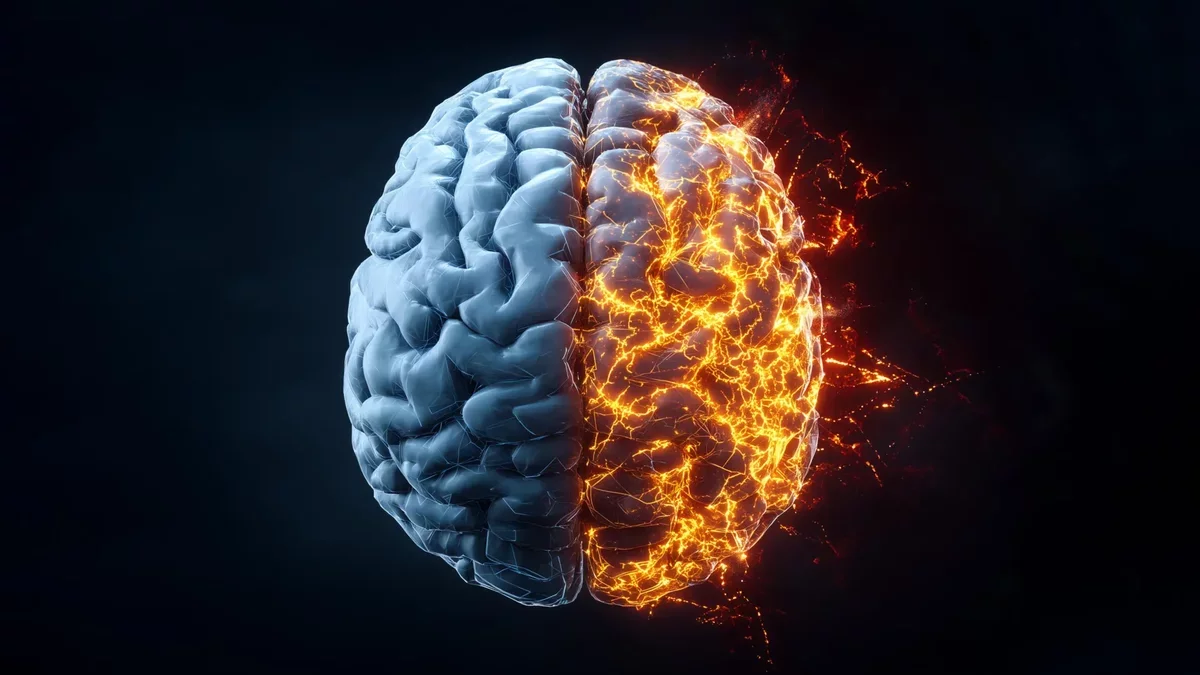
"Our results show that the chemical changes induced by Alzheimer's are not uniformly distributed across the brain," Wang noted. "Certain areas exhibit significant chemical alterations, while others are less impacted. This uneven distribution may explain the gradual onset of symptoms and the limited success of treatments targeting singular issues."
Metabolic Disturbances in Memory-Related Regions
In addition to protein accumulation, the study uncovered broader metabolic differences between healthy brains and those affected by Alzheimer's. Variations in cholesterol and glycogen levels were particularly pronounced in regions crucial for memory, such as the hippocampus and cortex.
"Cholesterol is vital for maintaining neuronal structure, while glycogen acts as a local energy reserve," said Shengxi Huang, an associate professor involved in the study. "These findings suggest that Alzheimer's entails more extensive disruptions in brain structure and energy balance, beyond just protein aggregation."
A Comprehensive Perspective on Alzheimer's Progression
This project emerged from ongoing discussions aimed at innovating the study of the Alzheimer's brain. Wang reflected, "Initially, we focused on small tissue areas, but I envisioned mapping the entire brain for a broader understanding. After several iterations, we successfully integrated measurements and analysis."
The culmination of this research presents the first detailed, dye-free chemical maps of the Alzheimer's brain, offering a more holistic view of the disease. The team is optimistic that these insights will contribute to earlier diagnoses and more effective treatment strategies.