Japan's Okunoshima Island, long known for its free-roaming rabbits, is drawing attention for a surprising shift in its island ecosystem: wild boars have begun preying on the rabbits.
A Tourist-Fed Habitat Under Pressure
Once used during World War II for poison weapons testing, Okunoshima later became a park and a popular wildlife destination. Over time, the rabbit population expanded far beyond what the island's natural vegetation could support. Researchers estimate the island can sustain only a fraction of the rabbits now living there without outside food.
That gap has been filled by visitors, who regularly bring pellets and vegetables. During peak tourism years, the amount of food carried in by people far exceeded what the island's plants could provide, making the rabbits increasingly dependent on human feeding.
According to a new study led by Shingo Kaneko of Fukushima University, this environment has also created opportunities for boars. The animals have been observed eating rabbit food, drinking from the same water sources, and moving through areas heavily used by rabbits and tourists.
From Scavenging to Predation
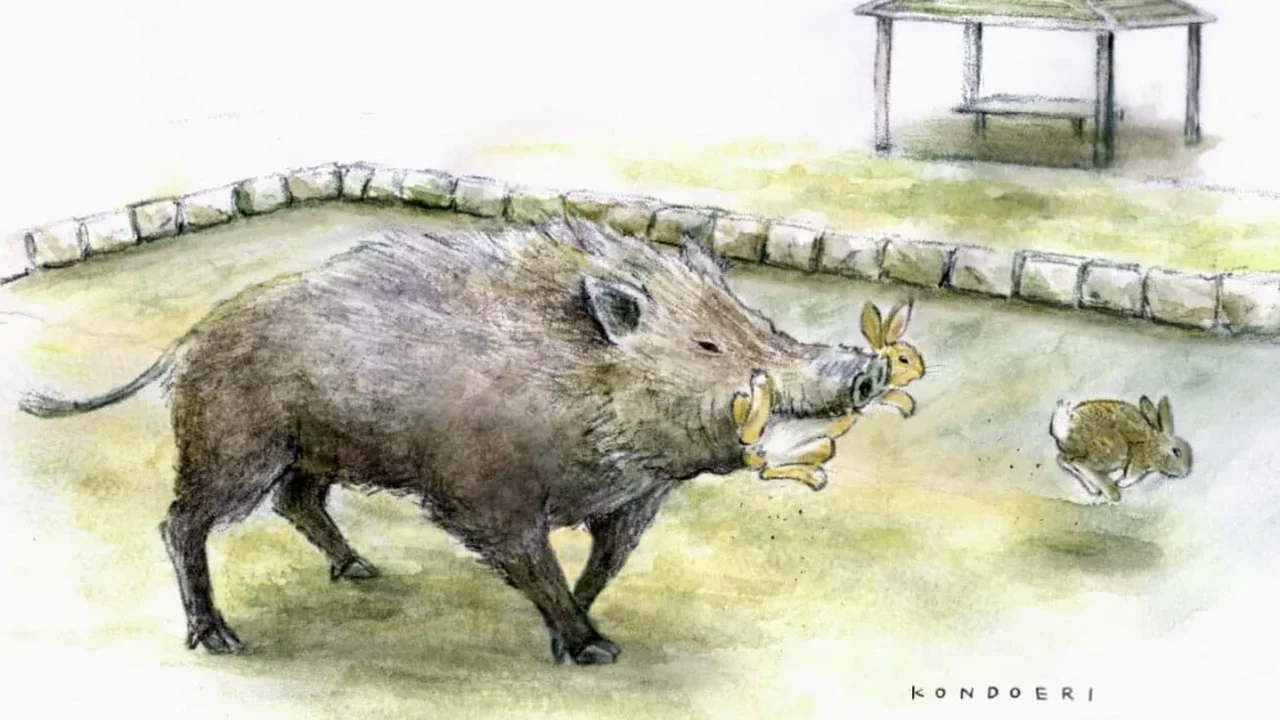
Wild boars are known for their broad diet, but researchers believe Okunoshima may be showing a more unusual pattern. In addition to scavenging, boars appear to be actively hunting live rabbits in at least some cases. The study points to reported incidents in 2017 and 2024, suggesting that this behavior is not just isolated to one moment.
The researchers argue that the boars are not the core issue. Instead, they are a sign of a larger imbalance: an introduced rabbit population, heavy visitor feeding, reduced vegetation, and limited natural scavengers on the island. Together, these factors have reshaped the local food web.
The study recommends regular monitoring of rabbit numbers, plant recovery, carcass management, and clearer rules for visitor feeding. For Okunoshima, the challenge is no longer just tourism management, but ecosystem design.
As more destinations balance wildlife tourism with conservation, Okunoshima may become a reference point for how human choices can reshape fragile island environments in the years ahead.