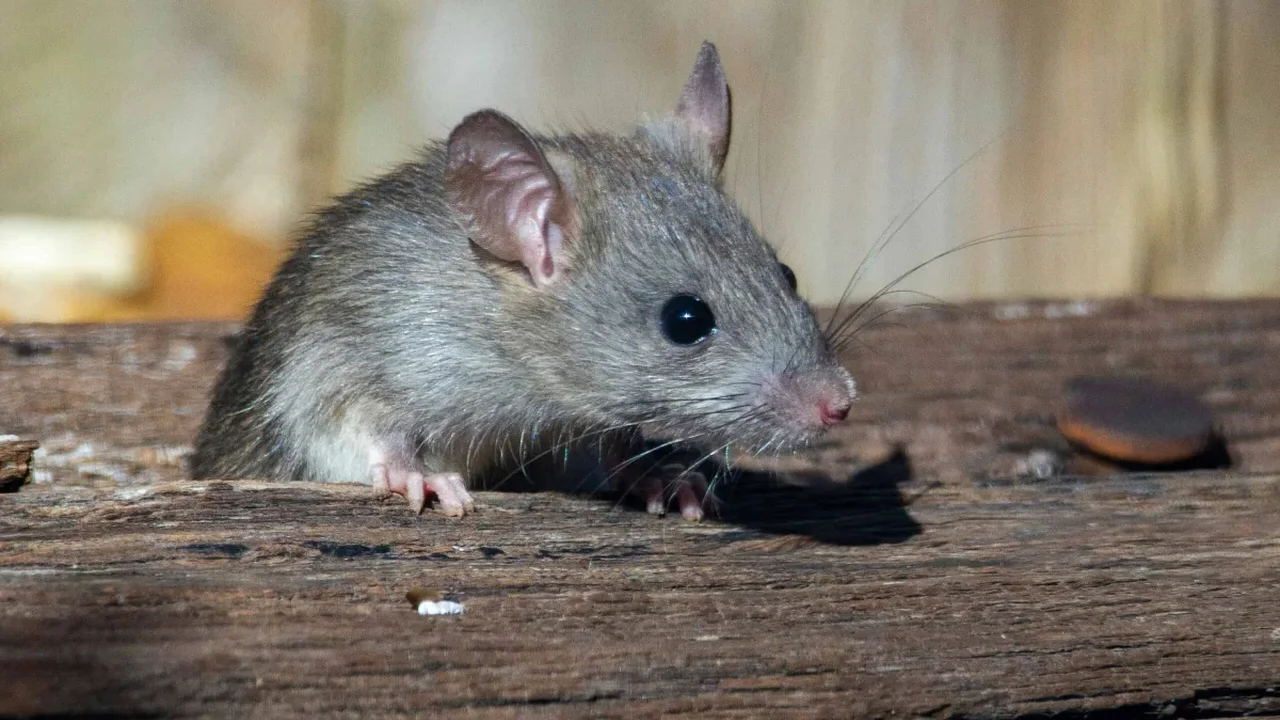
Researchers in Japan have demonstrated an unusual step in reproductive biology: starting from a single male mouse genome, they generated both male and female clones, then used them to produce offspring through normal sexual reproduction.
A new route in cloning
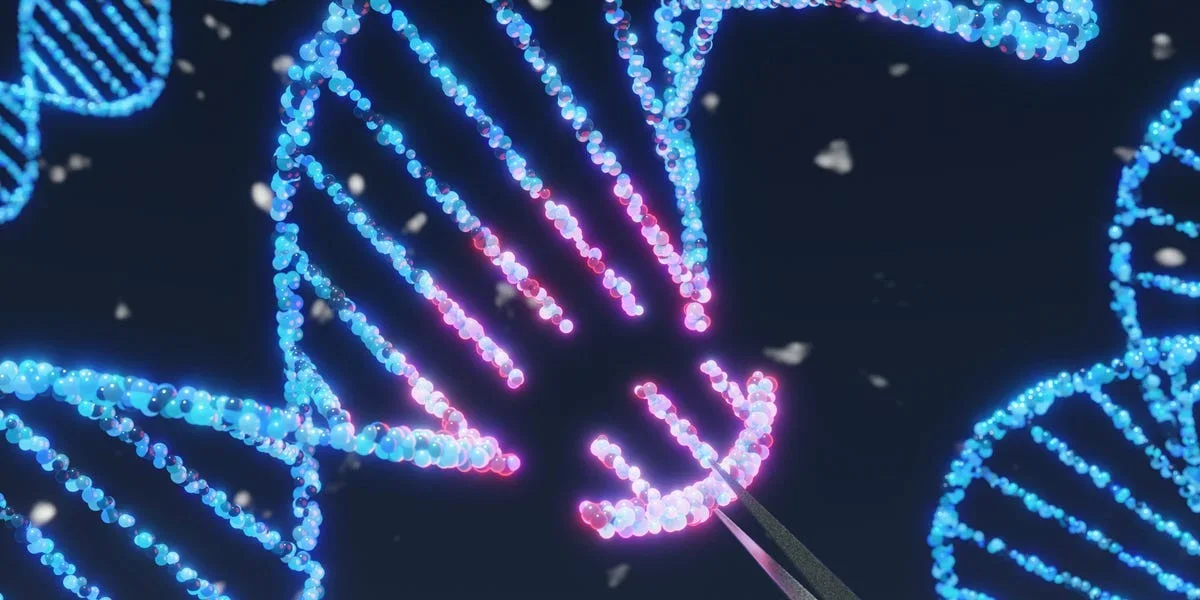
The team first used CRISPR-Cas9 to remove the Y chromosome from cloned embryos built from male mouse cells. The resulting embryos carried only one X chromosome, creating XO females. In mice, that chromosome pattern can still support fertility, which made the experiment possible.
They then paired this approach with somatic cell nuclear transfer, the cloning method that helped create Dolly the sheep. By transferring nuclei from male body cells into egg cells with their own nuclei removed, the researchers produced cloned mice that developed as either males or females depending on whether the Y chromosome remained or was eliminated.
Using Sertoli cells from male mice, the scientists obtained 13 cloned pups after the Y-removal step. Ten were female, and all ten were XO. Once mature, the male and female clones reproduced with each other and generated a second generation that included normal XX females.
The same strategy also worked with blood cells from a living adult male. Without Y removal, cloning produced only males. With the Y chromosome removed, the team obtained 10 females and one male, showing that a single male genome could contribute to both sexes.
Why it matters
The clearest long-term promise is for conservation genetics. Frozen cell banks from rare animals often hold only a few samples, and cloning usually recreates the donor's sex. This method could one day make a valuable male genome more flexible by allowing it to re-enter a breeding program through either male or female offspring.
Still, the result is an early proof of concept rather than a universal solution. Mice are unusually suited to this approach, and many other mammals do not share the same reproductive flexibility. The study also still relied on egg cells, meaning it was not reproduction entirely from male material.
Published on bioRxiv and not yet peer-reviewed, the work opens a fresh path for reproductive science and biodiversity research, with future applications that could reshape how genetic diversity is preserved.