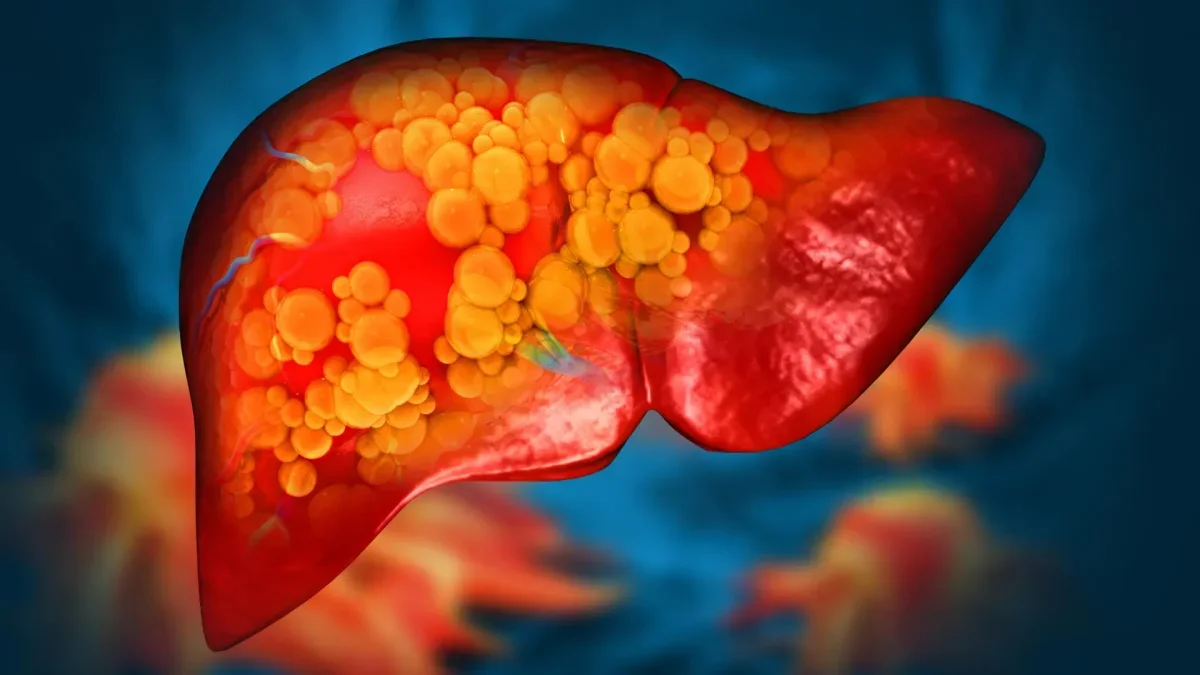
Researchers at the University of California San Diego School of Medicine have unveiled promising results from an experimental treatment known as ION224, which has demonstrated significant efficacy in patients suffering from metabolic dysfunction-associated steatohepatitis (MASH). This aggressive variant of fatty liver disease is closely linked to obesity and type 2 diabetes, often progressing silently for years before leading to severe complications such as cirrhosis or liver cancer.
The findings, published in The Lancet, highlight ION224's unique approach by targeting a biological pathway directly responsible for fat accumulation in the liver. Unlike conventional treatments that primarily focus on weight loss or symptom management, ION224 aims to address the underlying disease mechanism.
Mechanism of Action
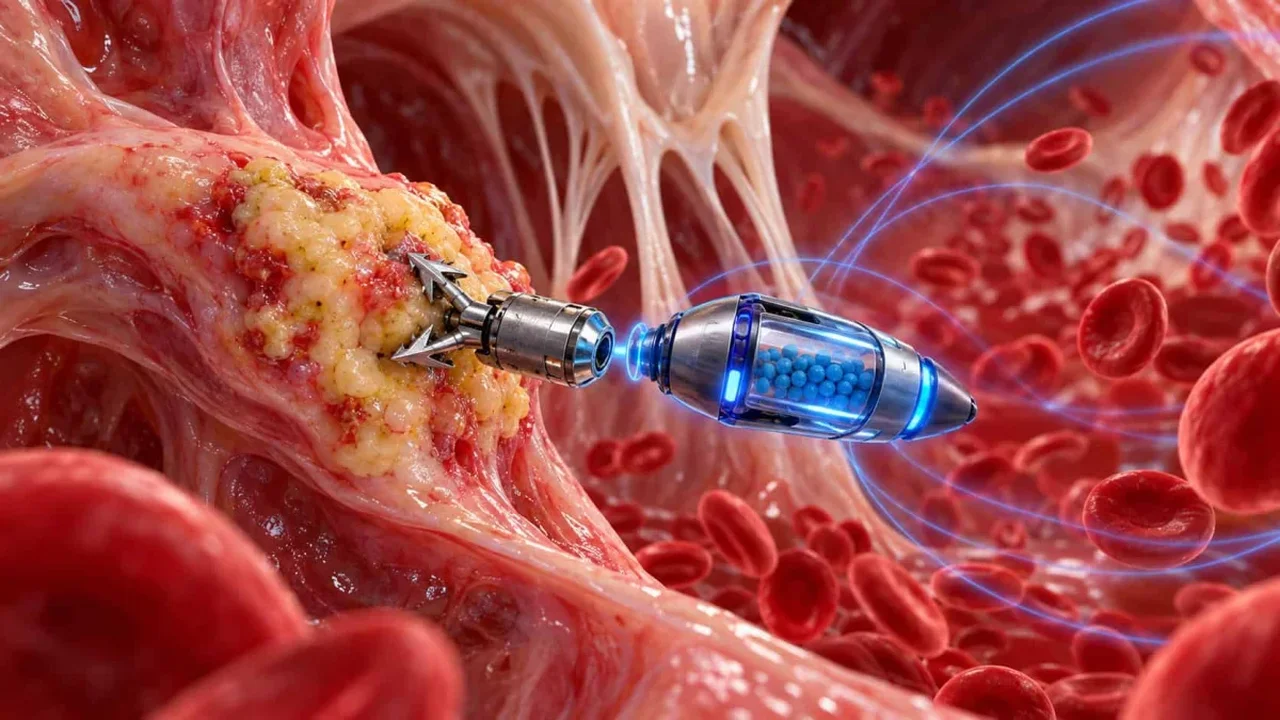
ION224 works by inhibiting an enzyme known as DGAT2, which is crucial for the liver's fat production and storage. Excessive fat within liver cells can lead to inflammation and tissue damage over time. "This study marks a pivotal advance in the fight against MASH," stated Dr. Rohit Loomba, the study's principal investigator and chief of the Division of Gastroenterology and Hepatology at UC San Diego. "By blocking DGAT2, we're addressing the disease at its root cause, halting fat accumulation and inflammation directly in the liver."
Notably, the drug showed improvements in liver health even among patients who did not experience significant weight loss, suggesting its potential to complement existing GLP-1 weight loss medications and other therapies.
Clinical Trial Insights
The Phase IIb clinical trial involved 160 adults in the U.S. diagnosed with MASH and mild to moderate liver fibrosis. Participants received monthly injections of ION224 at varying doses or a placebo over a 51-week period. Those on the highest dose reported significant improvements, with approximately 60% experiencing notable enhancements in liver health compared to the placebo group. The treatment was generally well tolerated, with no serious side effects associated with the drug.
This study is groundbreaking as it is the first to demonstrate that targeting DGAT2 with antisense therapy can lead to improved liver inflammation and fibrosis in MASH patients, while avoiding adverse effects commonly seen with other liver-targeting drugs.
The Rising Challenge of MASH
MASH, previously referred to as nonalcoholic steatohepatitis (NASH), is part of a broader condition known as metabolic dysfunction-associated steatotic liver disease (MASLD). As obesity and diabetes rates surge globally, MASH is becoming increasingly prevalent. Research estimates suggest that up to one in four adults worldwide may have some form of fatty liver disease, with over 100 million affected in the United States alone.
Future Directions
With growing interest in DGAT2 as a critical player in liver fat metabolism, researchers are optimistic about the future. "This is the first drug of its kind to show real biological impact in MASH," said Loomba. If confirmed in Phase III trials, ION224 could offer a targeted therapy capable of halting and potentially reversing liver damage before it escalates to critical stages.
The next step involves larger Phase III clinical trials to validate the drug's safety and efficacy across a broader patient demographic, paving the way for regulatory approval.