Antibiotic resistance is a growing concern that demands our attention. For years, antibiotics were seen as a limitless solution to infections, but bacteria are evolving and developing immunity to these treatments. The challenge now is to find innovative ways to combat this resistance.
Researchers at the University of California, San Diego, have made significant progress in this area, unveiling a groundbreaking method that uses the bacteria's own adaptations against them. This innovative approach involves creating a genetic "Trojan Horse" that dismantles bacterial defenses from within.
A Bacterial Computer Virus
The urgency of this research is underscored by alarming statistics: antibiotic resistance is responsible for approximately 1.27 million deaths annually, a figure projected to rise to 10 million by 2050. Without effective interventions, we risk reverting to a time when minor injuries could lead to serious health threats.
Despite the pressing need, the development of new antibiotics has stagnated, while resistant bacteria exchange genes through a process known as horizontal gene transfer. To counter this trend, the research team has developed a system called Pro-Active Genetics (Pro-AG), likened to a computer virus for bacteria that selectively eliminates resistance genes.
This novel system has successfully engineered bacteria that are significantly less resistant to antibiotics.
Mechanics of the System
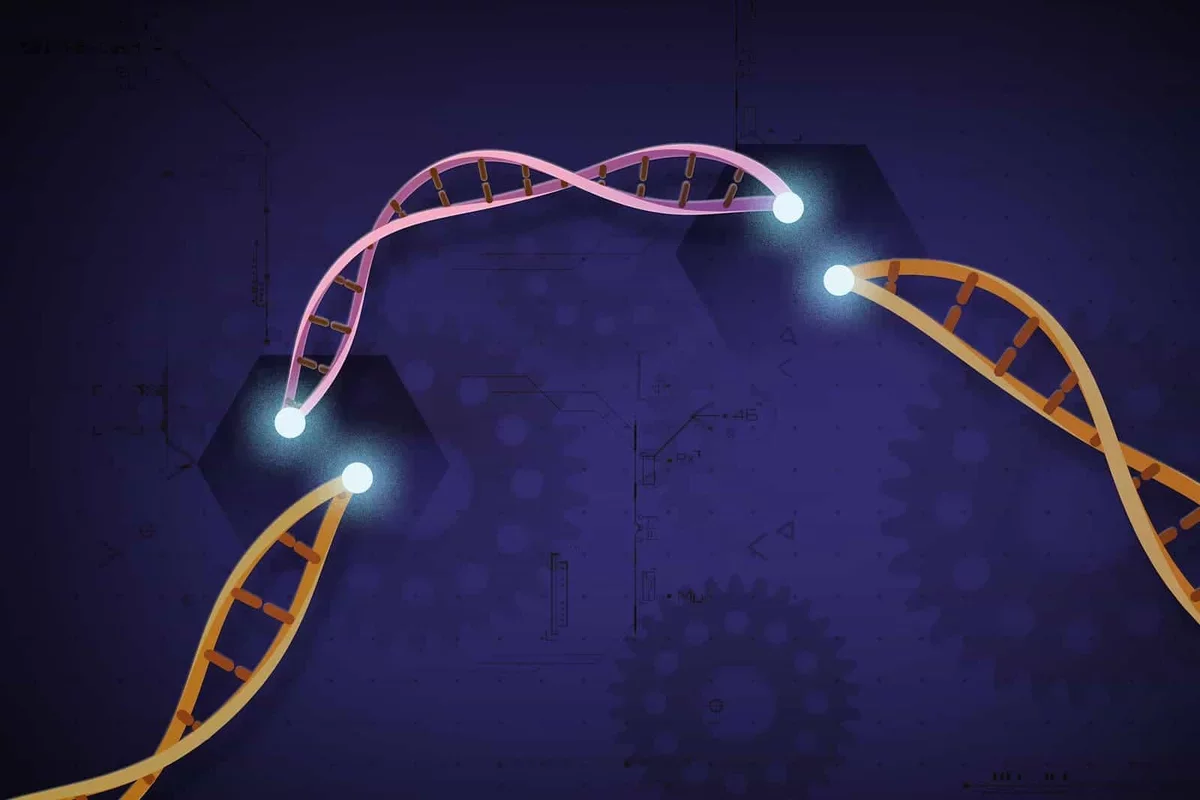
The foundation for this breakthrough was laid in 2019 by Professors Ethan Bier and Justin Meyer, who designed the initial Pro-AG system. Their latest iteration employs CRISPR technology--often referred to as "molecular scissors"--to target and disable the specific genes responsible for antibiotic resistance.
By inserting an anti-antibiotic cassette into the bacteria, the system does not kill the bacteria outright; instead, it neutralizes their defenses. The result is a strain that retains life but loses its resistance, effectively carrying the Pro-AG machinery within.
Remarkably, the target gene is frequently located on high-copy plasmids, allowing the Pro-AG system to replicate itself across multiple resistance genes. In experimental settings, this method reduced the prevalence of resistant bacterial colonies by over 1,000 times, with some colonies showing up to 100,000 times less resistance than before.
The Potential of Science
Science often surprises us, and this research is no exception. During testing, the team observed that 80% of the time, bacteria underwent a complete deletion of the resistance gene, a phenomenon termed Homology-Based Deletion (HBD). This discovery not only enhances microbiome engineering but also serves as a safeguard for gene drive technologies.
The implications of this technology are vast. It could revolutionize the treatment of superbug hotspots, such as wastewater treatment facilities or hospitals, by introducing donor bacteria equipped with the Pro-AG system to eliminate resistance genes before they pose a risk to human health.
While it may not spread naturally through bacterial populations, this innovative approach has the potential to transform our response to persistent infections, marking a significant advancement in the ongoing battle against antibiotic resistance.