Molly Crabapple, an acclaimed artist and author, recently discussed her latest book in the Guardian, highlighting concerns about the implications of artificial intelligence on the art world. She argues that the creators of AI are orchestrating a profound theft of artistic expression. Crabapple shares her experience of discovering imitations of her artwork, which were generated by AI systems that had harvested her creations from the internet without permission or acknowledgment.
"I am an artist, and 2022 was the year when I first started to see knock-offs of my work," she stated. "It was a strange facsimile, as if done by a none-too-talented teenager, with my lines and blotches reduced to mere copies. Billions of images have been scraped from the internet, and it's not just my work; it's affecting artists everywhere."
In a related vein, Brazilian artist Paulo Nazareth is making waves with his new exhibition in Berlin, which he will not attend. Critic Tajla Vale, writing for Africa Is a Country, delves into Nazareth's unique practice of walking barefoot across the Americas and Africa, symbolizing a deep connection to his ancestry. He has vowed not to set foot in Europe until he has traversed all 54 African nations. His art, however, has already crossed borders, reflecting a rich dialogue between cultures.
Nazareth's small-scale paintings, such as Verde and Amarelo-Laranja, evoke themes of exploration and identity. They depict solitary figures navigating landscapes, challenging the notion that artistic learning is confined to Western influences. He embodies a pre-linguistic understanding of knowledge, suggesting that his experiences in the Americas have provided him with all the artistic insight he needs.
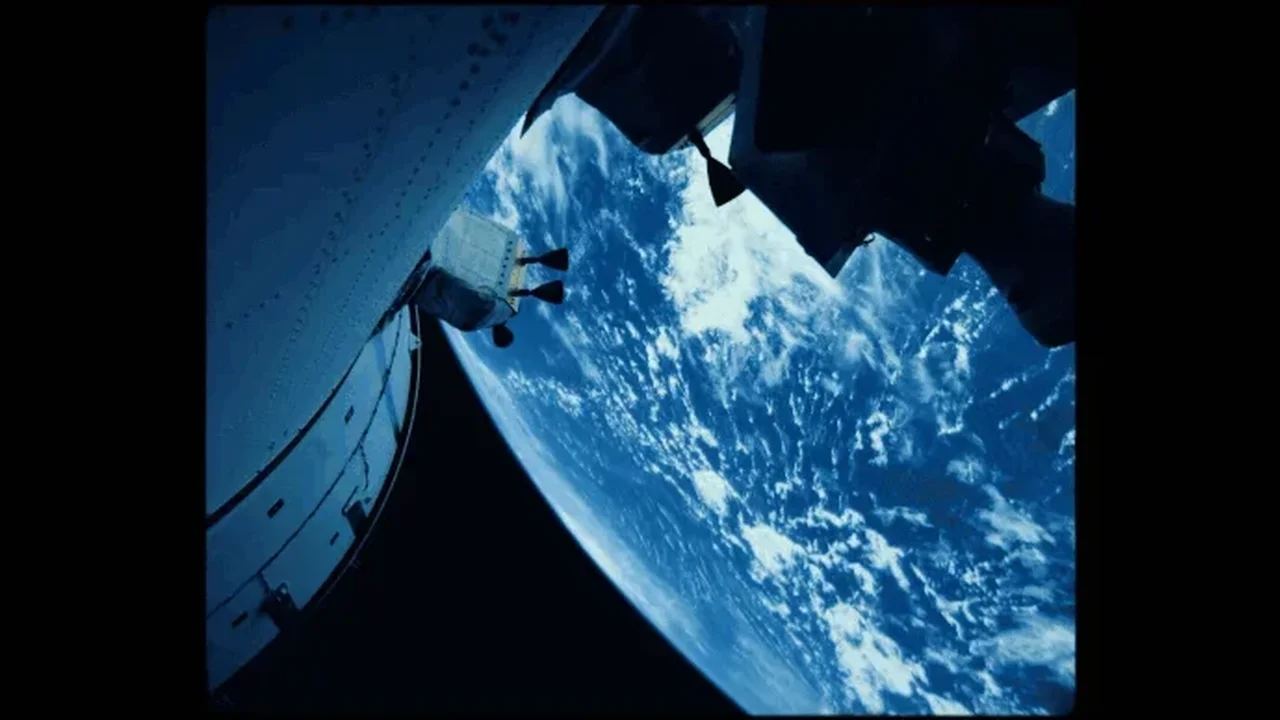
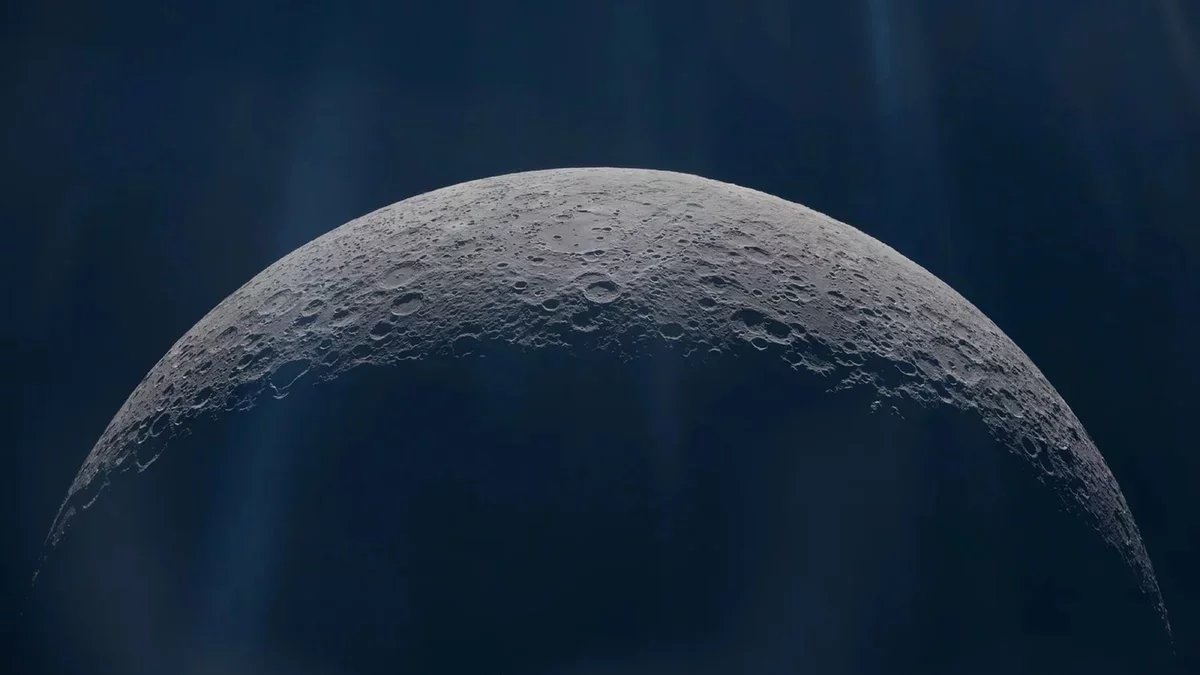
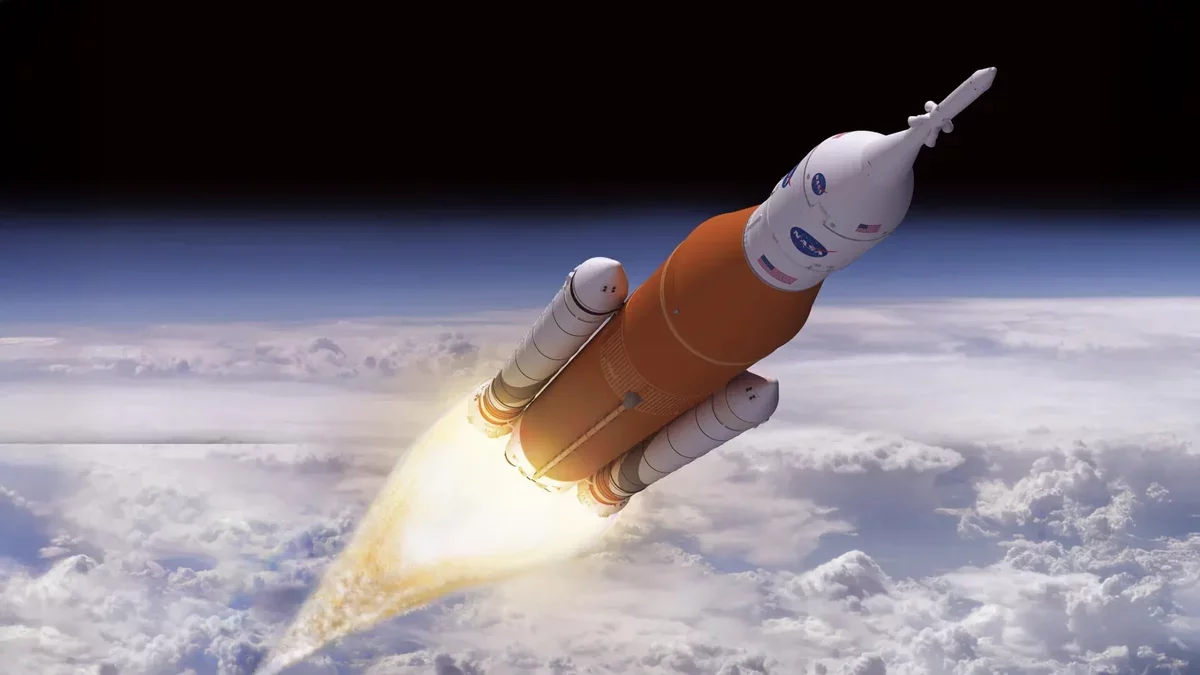
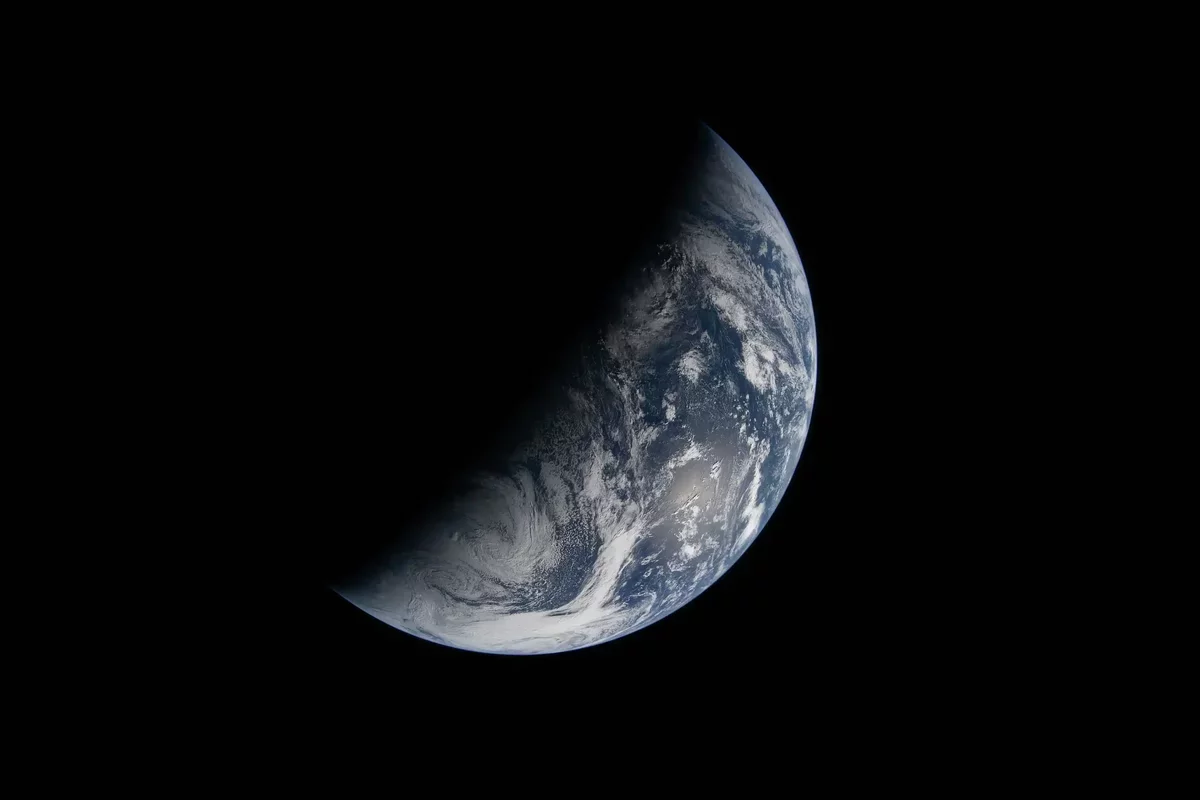
Meanwhile, the Walrus has published a thought-provoking piece on the Artemis II mission, which some view as the dawn of space colonization. Senior Editor Harley Rustad discusses the backlash to the term "lunar land grab," noting that while the Artemis Accords allow for resource extraction on the moon, this raises ethical questions about equity in space exploration.
These narratives illustrate a dynamic intersection of art, technology, and cultural identity, emphasizing the importance of ownership and representation in the creative sphere. As artists like Crabapple and Nazareth continue to challenge conventional boundaries, the future of art may very well redefine itself, paving the way for innovative expressions that honor diverse histories and perspectives.