The placebo effect has long intrigued the medical community, where a simple sugar pill can lead to genuine pain relief. This phenomenon highlights the profound connection between mind and body, demonstrating that expectations can significantly influence physical sensations.
While the placebo effect is recognized, understanding the brain mechanisms that facilitate this response has remained elusive. Recent research at the University of California San Diego, led by Matthew Banghart, has made significant strides in mapping the neural pathways involved.
In a groundbreaking approach, Banghart's team reversed the conventional research trajectory by applying a placebo protocol derived from human studies to mice. The mice were conditioned to associate specific environments with pain relief, receiving morphine in a distinct chamber before being exposed to a heated surface.
As the study progressed, the researchers replaced the morphine with a saline solution, simulating a placebo. Remarkably, when the mice returned to the previously conditioned chamber, they exhibited signs of pain relief despite not receiving any actual pain medication.
Banghart stated, "We took a placebo protocol from humans and worked it out in mice, and used that to deconstruct the underlying mechanisms." This innovative study pinpointed a crucial site where endogenous opioid peptides play a vital role, marking a first in this area of research.
Exploring Brain Activity
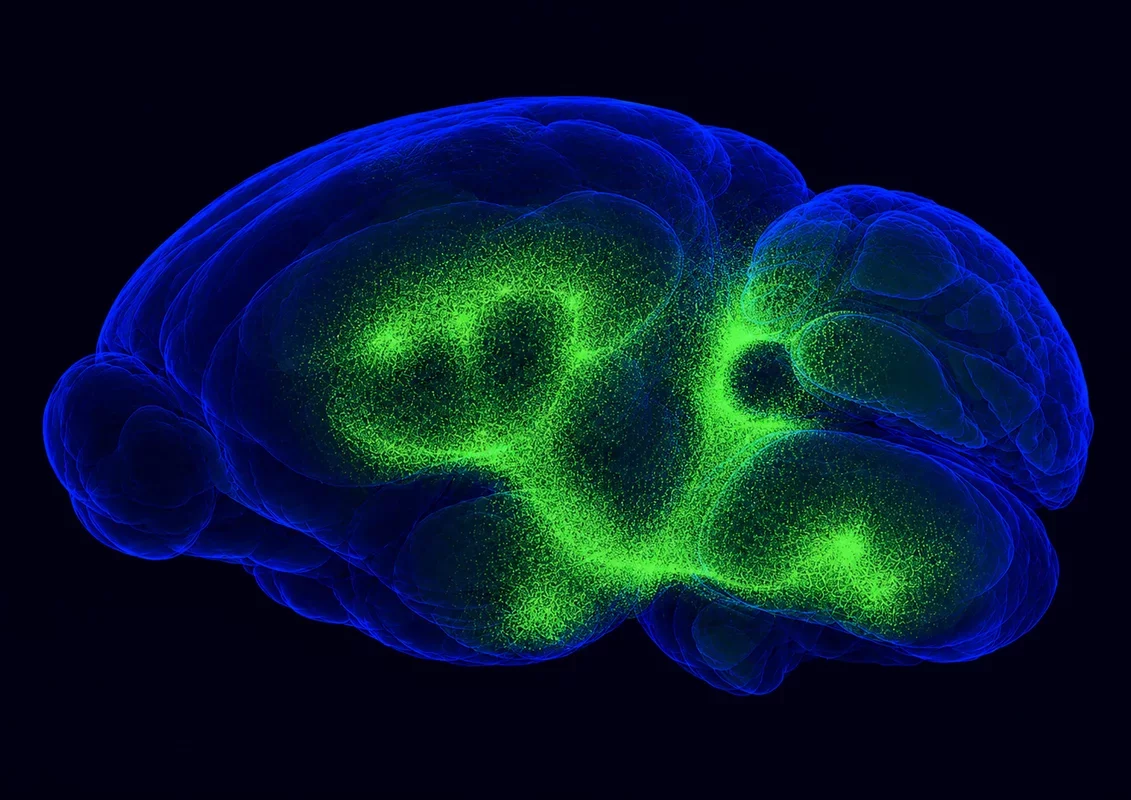
To delve deeper, the researchers focused on the brain's cortex, the region responsible for decision-making and evaluation. They discovered that two key areas--the medial prefrontal cortex and the anterior cingulate cortex--send signals to the ventrolateral periaqueductal gray (vlPAG), a region known for its role in pain modulation.
Using custom molecular sensors, the team observed that upon entering the placebo chamber, the vlPAG was activated, releasing the body's natural painkillers. To confirm the involvement of these endorphins, they employed a light-activated drug that temporarily blocked opioid receptors in the vlPAG. This intervention eliminated the placebo effect, proving the significance of the brain's endogenous opioids in pain relief.
Interestingly, the placebo effect extended beyond the initial heat pain to other types of pain, suggesting a broader application for expectation-based pain relief. Banghart emphasized the potential for this research to inform future pain management strategies, particularly in preparing individuals for anticipated pain from injuries or surgeries.
This pioneering study opens new avenues for understanding how the placebo effect operates in the brain, laying the groundwork for future research that could translate these findings to human applications. The potential to leverage the power of the placebo effect intentionally could revolutionize pain management and enhance overall well-being.
The study is published in the journal Neuron, signaling a significant advancement in the field of neuroscience.