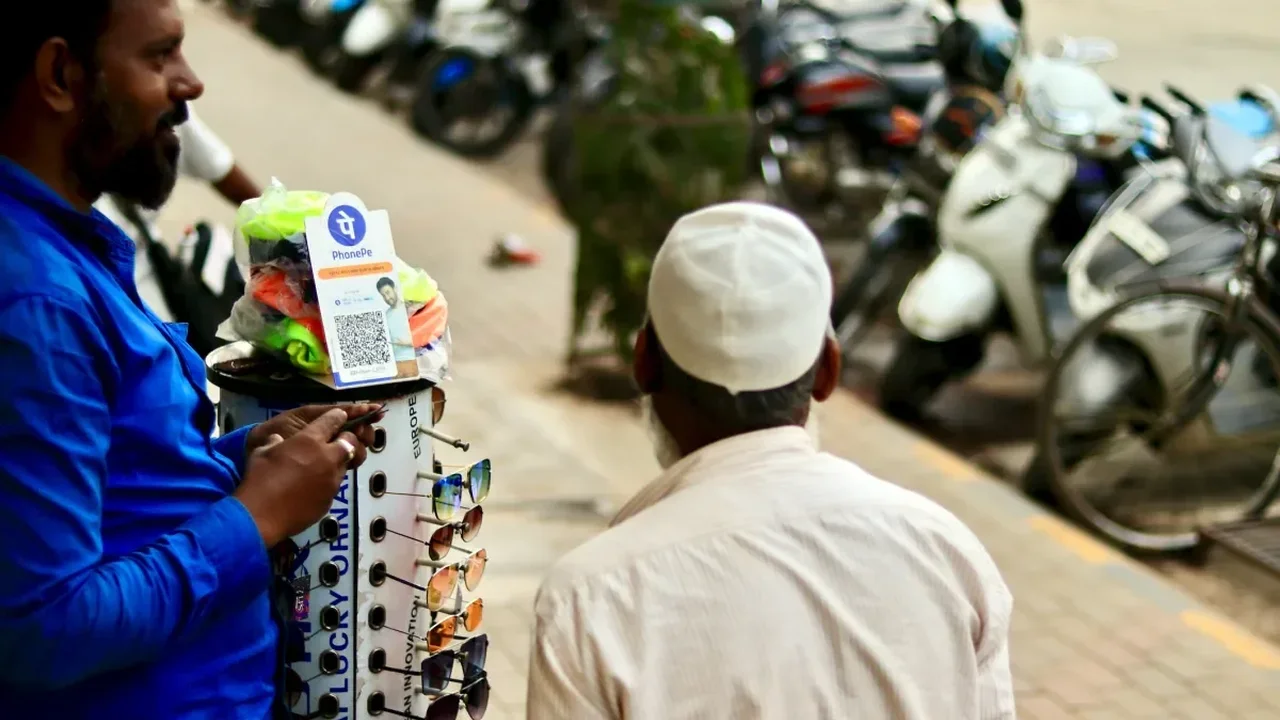
India's widely used Unified Payments Interface (UPI) is moving toward a new operating model designed to support its expanding digital payments ecosystem. From October 15, selected merchant transactions above ₹2,000 will carry a 0.4% fee, according to the National Payments Corporation of India (NPCI).
Consumers will continue to make UPI payments without any direct charge. Transactions of ₹2,000 or below will also remain free for merchants, while small businesses receiving up to ₹100,000 per month through UPI will be exempt.
A capped structure for larger payments
The fee will be capped at ₹300 for transactions of ₹75,000 or more. NPCI notes that the rate remains below typical card acceptance costs: credit-card merchant fees often range from 1.5% to 2.5%, while debit-card fees can reach 0.9%.
UPI has been free for merchants since 2020, helping QR-based payments become a routine part of daily commerce across India. In August alone, the network processed 24.51 billion transactions with a combined value of ₹29.9 trillion.
Supporting a growing payments infrastructure
NPCI estimates the annual operating cost of the network--including server capacity, technical support, cybersecurity and fraud-prevention systems--at around ₹200 billion. Revenue from the new merchant fee is intended to be shared across the UPI ecosystem and directed toward infrastructure upgrades, customer service and security investments.
The organization also plans to develop a fund to broaden digital-payment access in smaller cities and rural areas, in cooperation with India's central bank. Since payments under ₹2,000 account for more than 95% of merchant UPI transactions by volume, the revised structure is designed to preserve everyday affordability while creating funding for higher-value payment activity.
By combining free consumer access with targeted merchant contributions, UPI's next phase could offer a model for how large-scale public digital infrastructure evolves sustainably while continuing to expand financial participation.