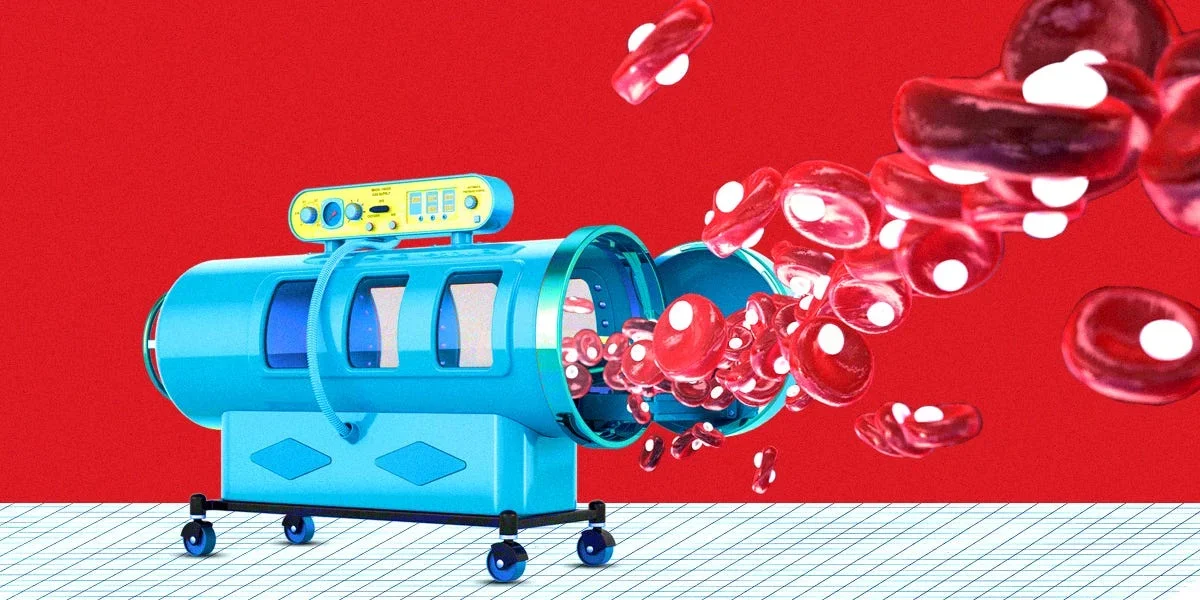
Hyperbaric oxygen therapy, or HBOT, is moving beyond hospitals and into wellness spaces, where it is promoted as a recovery and longevity tool. But the experience can feel far less futuristic than the sleek chamber suggests.
In a typical session, a person lies inside a sealed tube while the air pressure rises and oxygen levels increase. In medical settings, HBOT is used for conditions such as decompression sickness, carbon monoxide exposure, and difficult-to-heal wounds, where its benefits are well established under physician supervision.
Interest has grown as luxury gyms and longevity clinics market lower-pressure chambers for post-workout recovery, mental clarity, and general wellness. Public figures including Bryan Johnson, LeBron James, and Novak Djokovic have helped bring the therapy into the mainstream conversation.
The science behind HBOT is plausible: higher oxygen delivery may help reduce inflammation and support angiogenesis, the formation of new blood vessels. Still, experts note that evidence is much stronger for medical use than for claims about reversing aging or dramatically boosting cognition in healthy people.
For some users, the appeal is less about a breakthrough and more about the ritual itself: a quiet hour, a reset, and a structured pause from daily routines. As wellness technology continues to evolve, HBOT shows how medical tools can inspire new lifestyle trends and shape the future of personalized recovery.