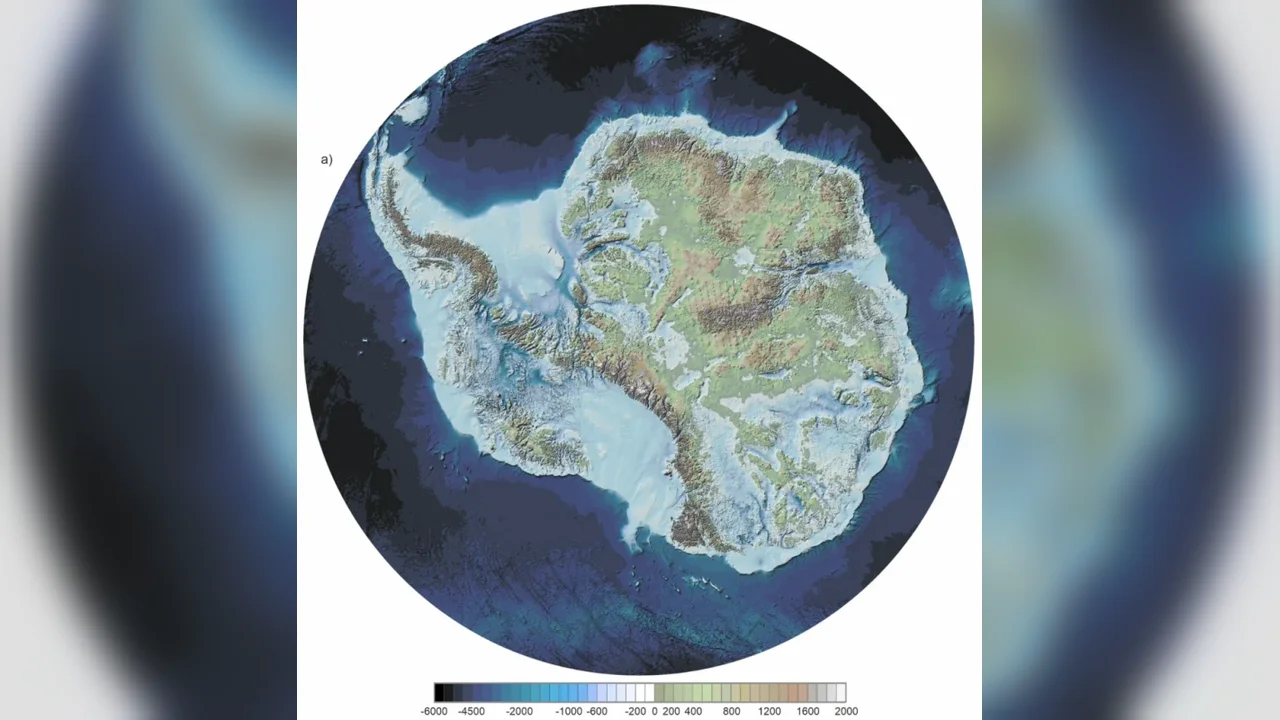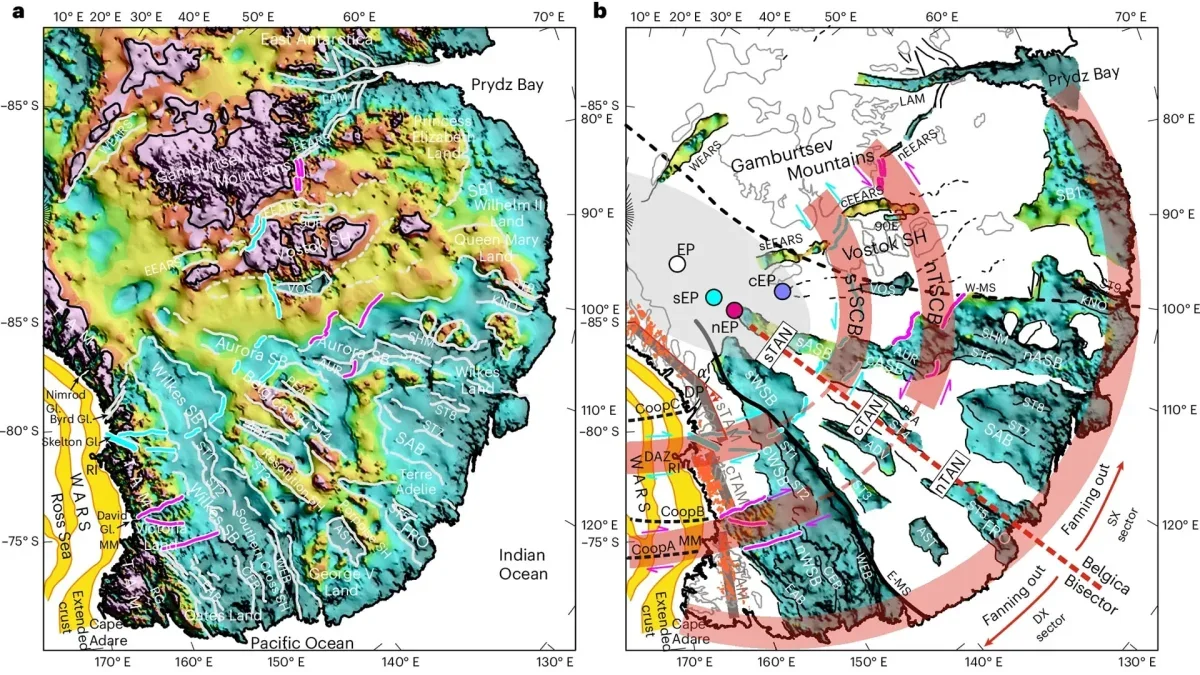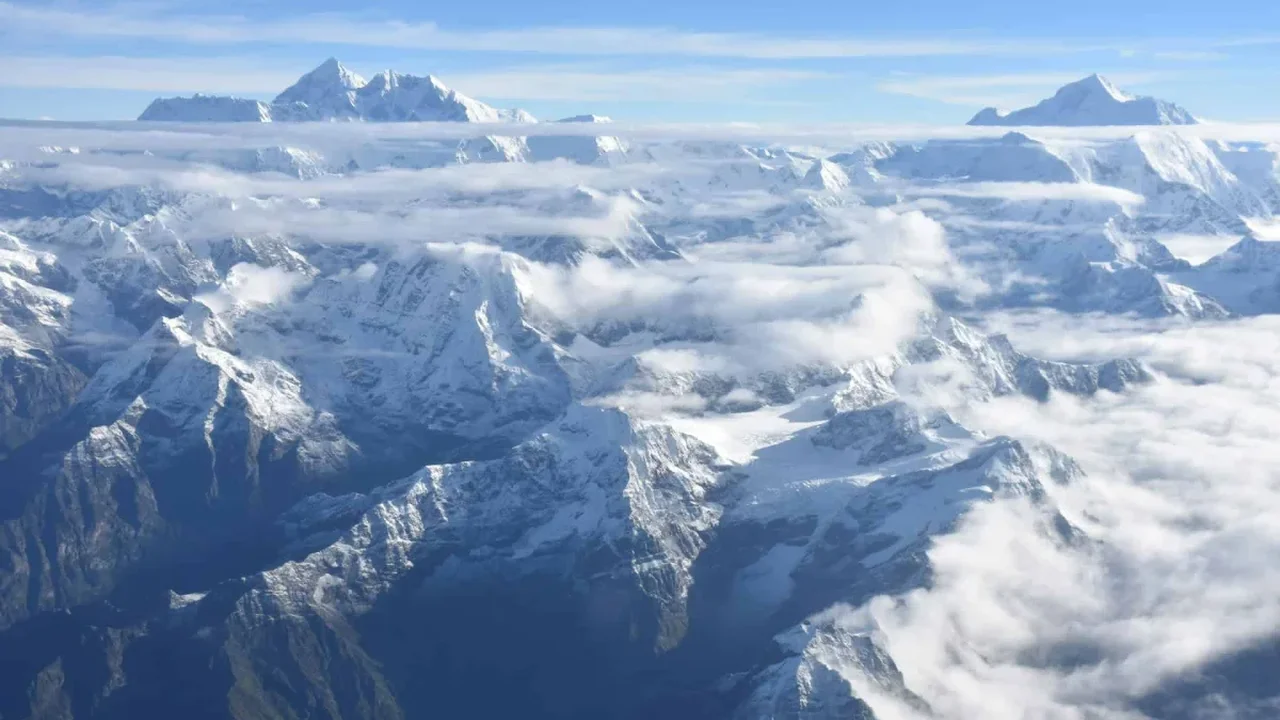
Antarctica's frozen surface may conceal the deep geological roots of an ancient mountain world once comparable in scale to the Himalayas. New research suggests these vanished ranges formed as the supercontinent Gondwana assembled between 650 million and 450 million years ago.
Published in Earth and Planetary Science Letters, the study examines durable zircon crystals carried into Antarctic sediments after eroding from long-lost rocks. Because more than 99.5% of Antarctica is covered by ice, these microscopic minerals offer a valuable record of the continent's inaccessible geological past.
Evidence from ancient zircon crystals
Researchers analyzed 1,712 zircon grains and combined them with thousands of previously dated Antarctic samples. Their wider dataset of 8,995 grains showed a major increase in zircons formed between 650 million and 450 million years ago, matching the era when Gondwana's landmasses came together.
Some crystals contained low levels of lutetium, a chemical signature associated with rocks formed under intense pressure deep beneath exceptionally high mountain ranges. The findings indicate that several collision zones may have created separate, Himalayan-scale belts spanning a combined distance of roughly 20,000 kilometers.
One of these mountain systems may have stood in what is now Antarctica, while another developed along the East African Orogen, where Africa, India and nearby continental blocks converged.
Mountains, nutrients and evolving ecosystems
As these immense ranges gradually eroded, rivers could have transported phosphorus, iron and other nutrients into ancient seas. This influx may have supported algae and cyanobacteria, strengthening photosynthesis and increasing the production of organic matter across marine ecosystems.
The researchers also propose that huge underwater sediment systems rapidly buried carbon-rich material before it could fully decompose. By limiting the oxygen consumed during decay, this process may have helped leave more oxygen available in the oceans and atmosphere over long geological timescales.
The team estimates that the sediment network may have held more than 3.6 × 10²⁰ kilograms of material. While the exact effect on ancient oxygen levels remains uncertain, the scale of this burial process supports a plausible connection between tectonic activity, nutrient cycling and environmental change.
This does not offer a single explanation for the Cambrian explosion, when animal diversity expanded rapidly around 530 million years ago. Instead, it adds a new geological dimension to the conditions that may have helped complex life flourish.
By revealing how mountains, oceans and atmosphere can interact across deep time, the research may refine future models of how planetary systems create opportunities for life to diversify.