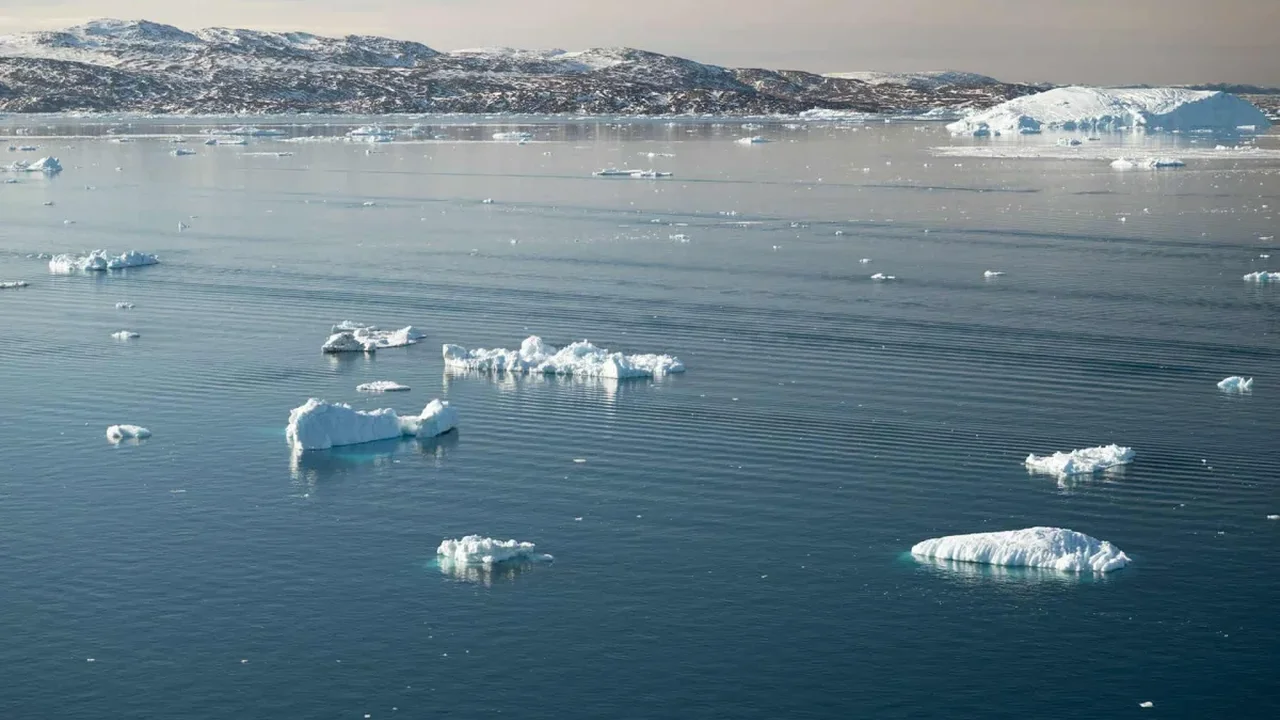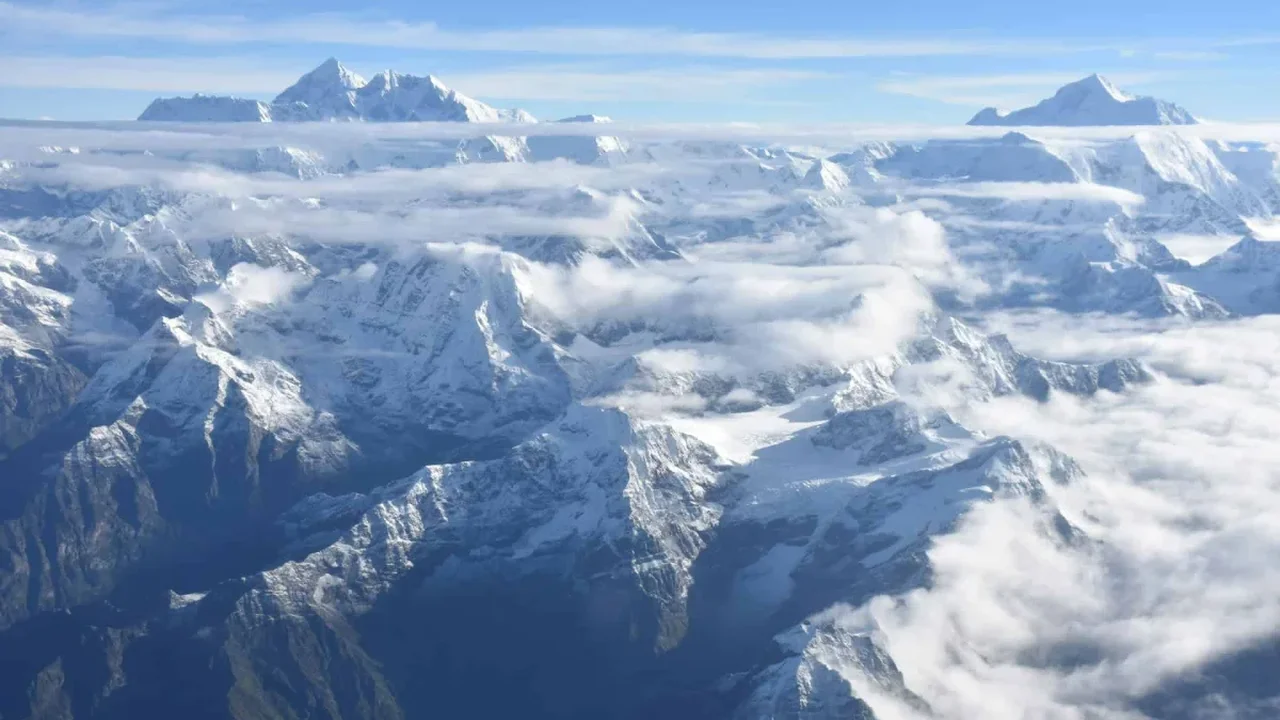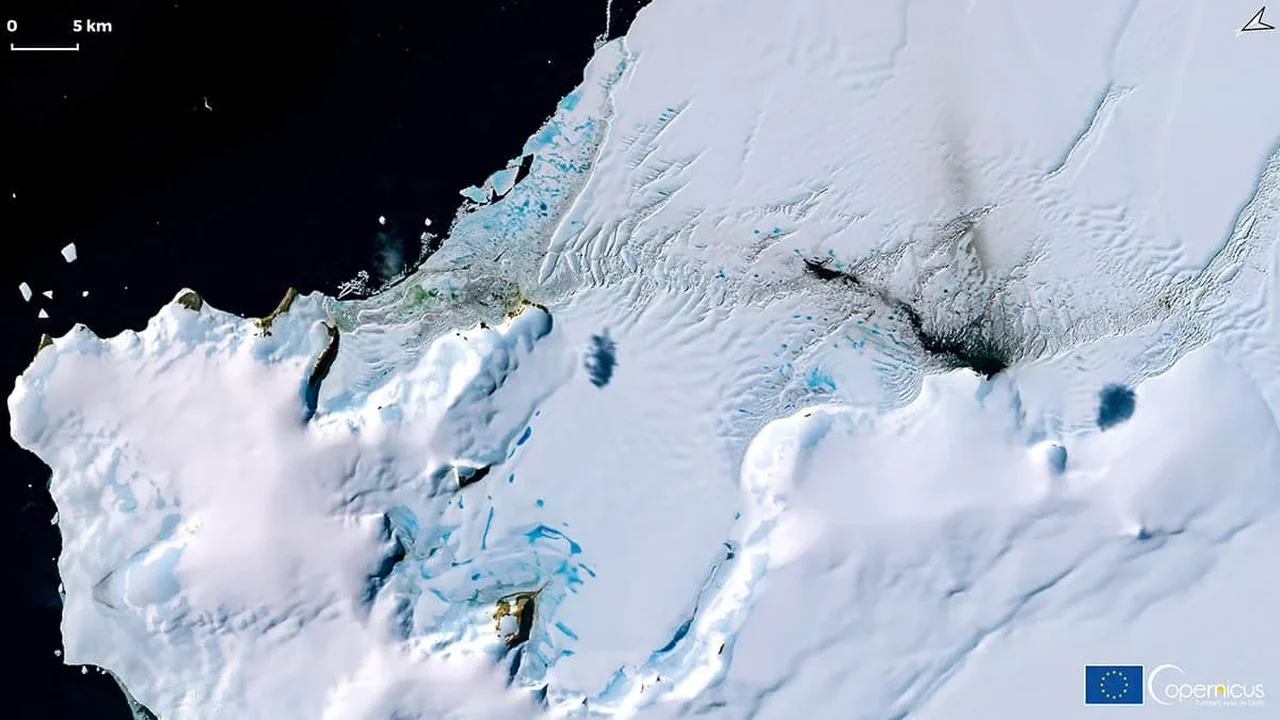
Antarctica, long seen as one of Earth's most isolated and pristine regions, is now showing a new role in the global mercury cycle. A study published in the Proceedings of the National Academy of Sciences finds that the continent is accumulating mercury faster than before, while melting ice is also freeing mercury that had been locked in glaciers for centuries.
Two Forces at Work
Researchers say the change is driven by two connected pathways: mercury arriving through the atmosphere from human activity, and mercury being released as warming temperatures accelerate ice loss. Together, these processes are turning Antarctica from a natural storage zone into an active source of mercury entering the surrounding ocean.
To trace the pattern, the team examined 16 sediment cores from the Antarctic Peninsula's continental shelf and analyzed how mercury levels changed over the past 200 years. The results showed a clear rise after industrialization, with an average 160% increase in accumulation and a sharper climb beginning in the 1950s.
Modeling of the mercury cycle suggested an even stronger shift in release from glaciers: mercury discharge into the ocean has risen by about 550% since industrialization. The researchers estimate that roughly 56% of the mercury found in the sediment cores came from the atmosphere, while the rest likely came from glacier melt, erosion, and weathering of Antarctic ice and sediment.
Why It Matters
Once mercury settles into sediment, it can transform into methylmercury, a form that moves efficiently through food webs. In Antarctica, that means uptake by plankton, krill, fish, seabirds, and marine mammals. The study notes that this process may also matter for human health, since some Antarctic marine species are connected to commercial fisheries.
Scientists involved in the research say the findings highlight how climate change can intensify pollutant movement in remote ecosystems. They also point to similar patterns in the Arctic, where thawing ground is releasing stored mercury into the environment.
Future research will help determine how widespread these trends are across Antarctica and how much of the released mercury may become methylmercury in colder waters. Even if emissions from industry decline, mercury already stored in ice may continue to enter the ocean as melting progresses. This could reshape how the planet manages pollution in a warming century.