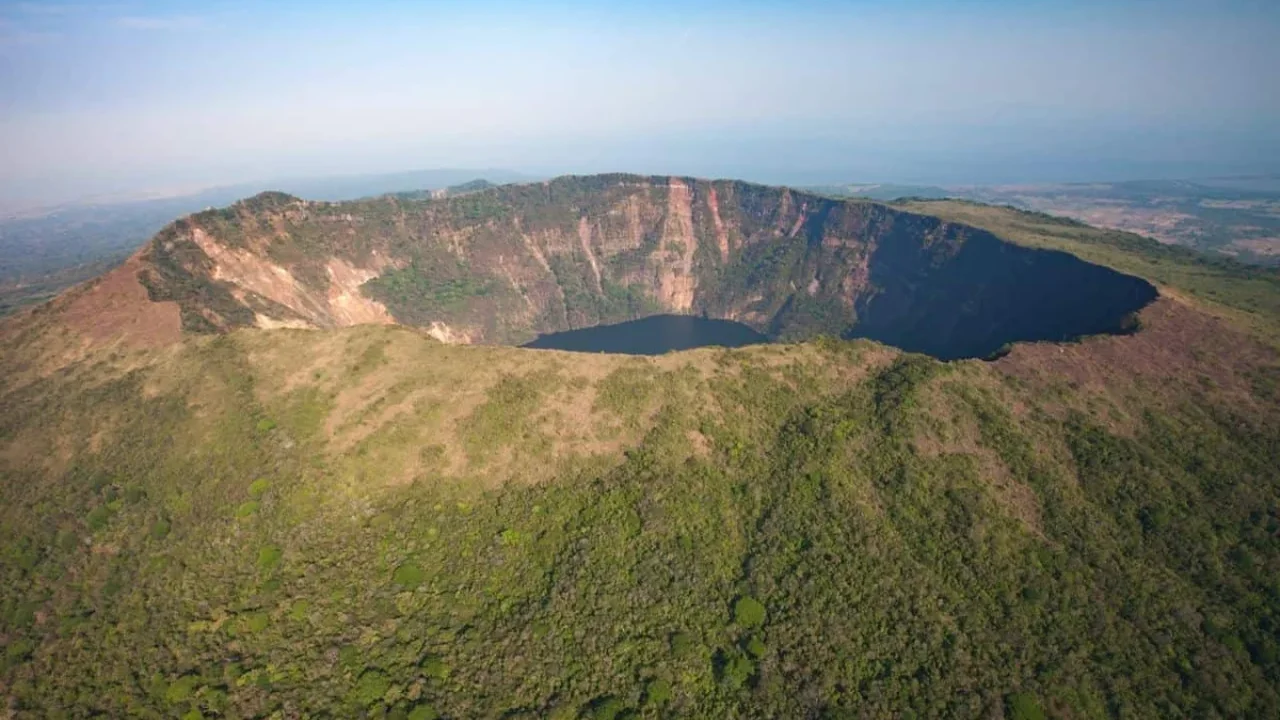
A camping-planning glance at Google Maps turned into a remarkable scientific lead in Quebec's Côte-Nord region. Amateur astronomer Joël Lapointe noticed a near-perfect circular formation around Lake Marsal and shared the observation with researchers. That instinct has now been validated: the structure is an impact crater formed about 390 million years ago.
A Rare Geological Signature
The crater, now identified as Uhackatik, spans roughly 25 kilometers and ranks among the more significant crater finds in recent years. Scientists say Earth has only about 200 confirmed impact craters, making every new verified site valuable for planetary research. The discovery began when Lapointe spotted the feature in satellite imagery and contacted the crater-reporting initiative Impact Earth, led by Western University in Ontario.
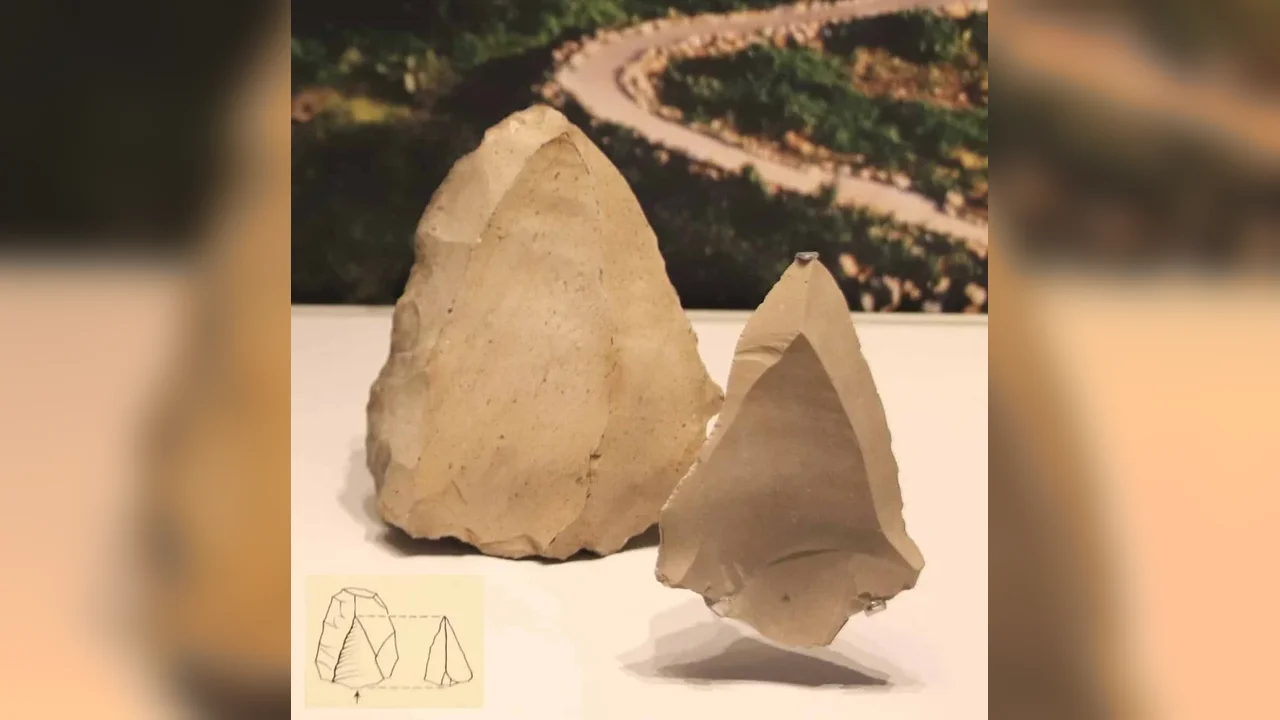
Planetary geologist Gordon Osinski and fellow researchers later visited the site in October 2025. In the field, they found the key evidence needed to confirm an ancient impact: shatter cones, which form under extreme shock, and impact melt rock, created when bedrock is briefly liquefied by the force of collision. The preserved melt layer is especially notable for a crater of this age.
Why the Find Matters
From above, many landforms can resemble craters, so scientists rely on rock-level proof to separate true impact sites from volcanic or erosion-shaped terrain. In this case, the geology told a clear story. The site's preservation offers researchers a rare window into how large impacts shape planetary surfaces over time.
The crater's name was chosen after discussions with the Innu Council of Ekuanitshit, whose traditional territory includes the area. The research team plans to present its findings at the Meteoritical Society's annual meeting in Frankfurt, where the discovery will add to the global record of confirmed impact structures.
Beyond its local significance, Uhackatik may also help scientists compare Earth's impact features with cratered landscapes on the Moon and other worlds. It is a reminder that careful observation, modern mapping tools, and field science can still reveal major chapters of Earth's deep history. In the future, discoveries like this could sharpen our understanding of planetary surfaces across the solar system.