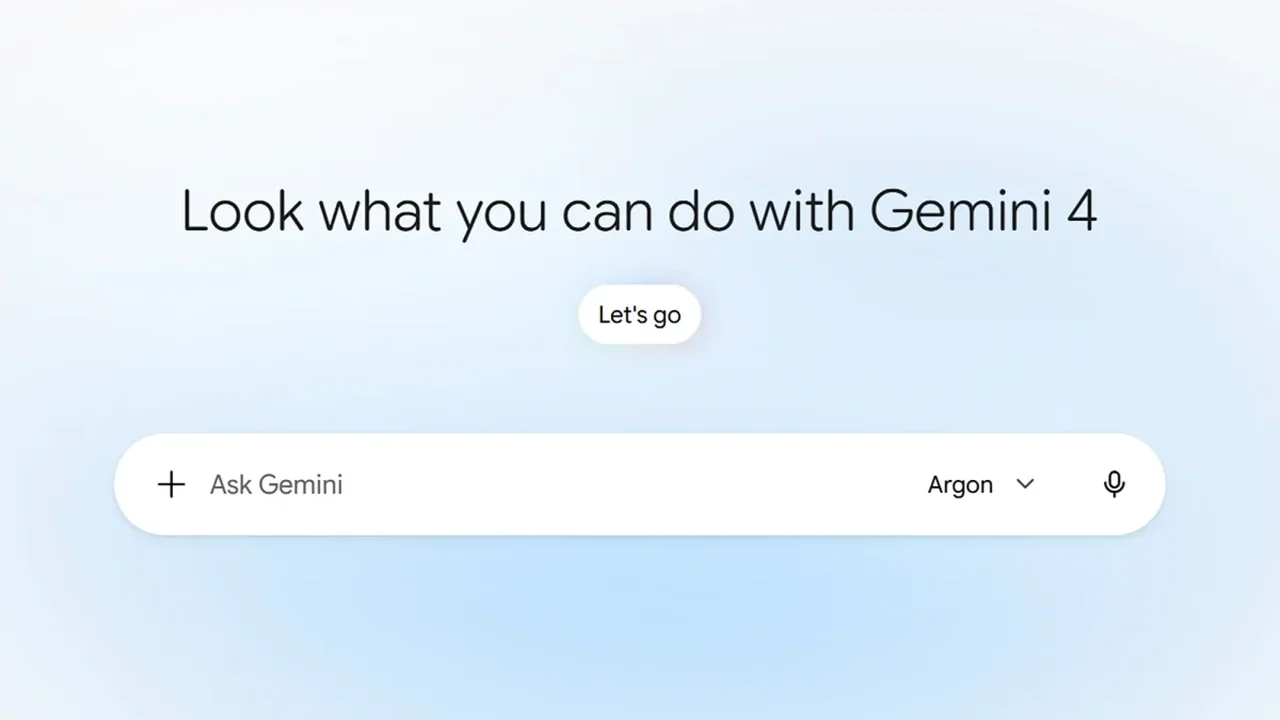
Google's Gemini 4 Argon is designed for complex work, from coding and scientific analysis to 3D visualization and robotics. A hands-on comparison with OpenAI's GPT-6 Sol found that the two models have different strengths across practical tasks.
Building a lighthouse map
Both models were asked to create a local web app mapping lighthouses worldwide, with details, light ranges and simple scale models. After encountering limits to online map data, each produced its own basic map. Gemini's version included more location information and animated light ranges, and was completed in under half the time: about 10 minutes compared with nearly 26 for GPT-6 Sol.
Summaries and creative ideas
For a second test, each model summarized 10 scientific studies in plain English. GPT-6 Sol responded faster, in around 25 seconds versus Gemini's 55, and its summaries were judged shorter and easier to follow. Gemini's results were also described as accurate and concise.
In a creative exercise, the models pitched television series inspired by several existing shows. Gemini generated its ideas more quickly, but GPT-6 Sol's pitches were considered more nuanced and coherent overall.
The comparison covered only a small set of tasks, and results may vary depending on the work and settings. Taken together, it suggests Gemini 4 Argon is competitive with GPT-6 Sol, particularly for building interactive tools, while each model may suit different needs. As AI systems continue to develop, testing them against real tasks can help people choose the right assistant for their work.