Scientists have identified a microscopic amoeba that can grow and reproduce at 63°C, extending the known upper temperature boundary for eukaryotic life.
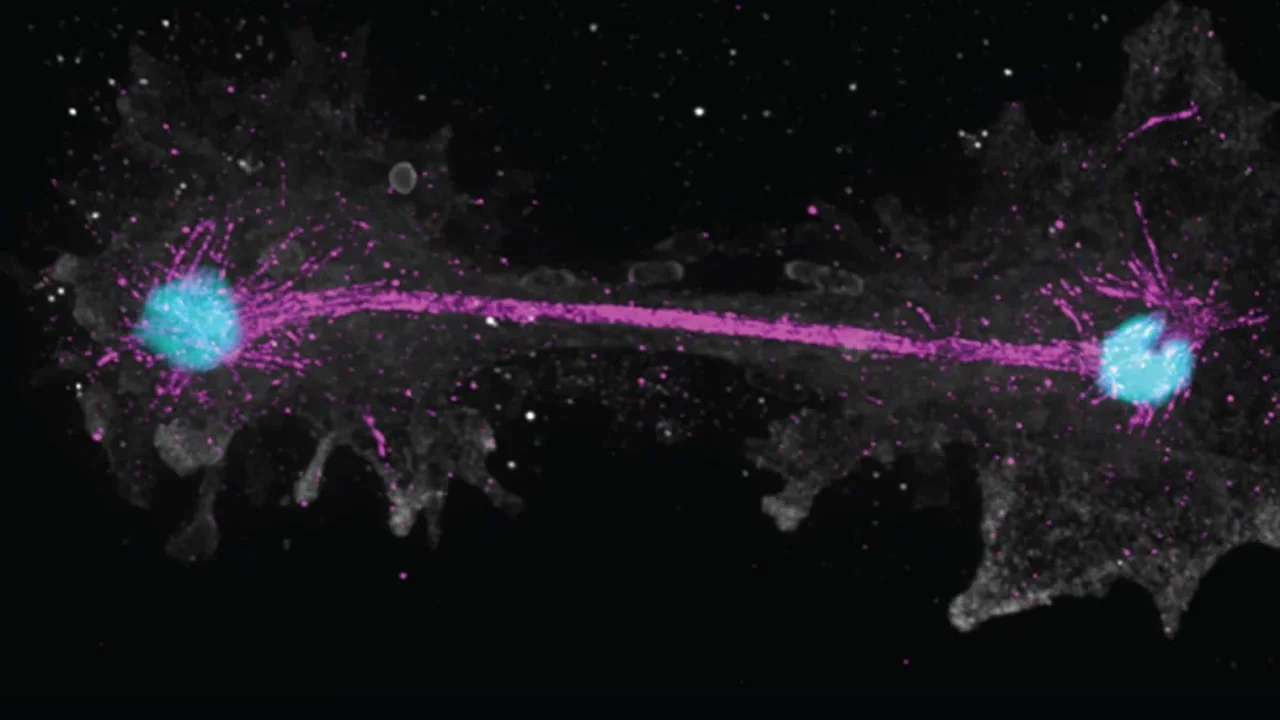
Named Incendiamoeba cascadensis, the newly described organism was collected from geothermal waters in Lassen Volcanic National Park, California. The research team at Syracuse University examined samples gathered between 2023 and 2025 to explore whether complex single-celled organisms could remain active in extreme heat.
A record-setting microscopic survivor
In laboratory tests, the amoeba continued to divide at 63°C and remained mobile at 64°C. It could not grow at 40°C or lower, suggesting that temperatures considered hazardous for most life are central to its normal biological cycle.
The amoeba is a predator that feeds on heat-adapted bacteria. Like other amoebae, it moves by changing shape and engulfs prey from its environment. Its ability to function at such high temperatures sets a new benchmark for eukaryotes, the broad group that includes animals, plants, fungi and many microorganisms.
Heat protection through dormancy
When conditions become more intense, Incendiamoeba cascadensis can form a protective dormant structure known as a cyst. This state helped the organism recover after five minutes at 70°C when returned to more suitable conditions. At 80°C, however, recovery was not observed.
Related genetic sequences have also been detected in geothermal environments including Yellowstone National Park and New Zealand, indicating that similarly heat-adapted amoebae may be more widespread than previously recognized.
Published in Cell, the findings may support future research into heat-stable enzymes and industrial biotechnology. They also refine scientific understanding of the conditions complex cells can endure, offering a broader framework for investigating life in extreme environments.
This discovery suggests that studying Earth's most resilient microorganisms could inspire new materials, processes and models for life beyond familiar environmental limits.