For many years, moons were perceived as mere cosmic companions, overshadowed by their parent planets. However, recent discoveries have revealed that these celestial bodies are anything but ordinary. Many moons exhibit remarkable features, including vast liquid oceans, icy volcanoes, and complex weather systems, positioning them as prime candidates for hosting extraterrestrial life.
Io: The Ever-Active Volcano Moon
Io, one of Jupiter's moons, stands out as the most volcanically active body in the solar system. Slightly larger than Earth's Moon, Io boasts over 400 active volcanoes, with the largest, Loki Patera, featuring a massive lava lake. The intense volcanic activity is fueled by gravitational interactions with Jupiter and its other moons, creating a dynamic environment that constantly reshapes its surface.
Enceladus: The Icy Water Sprinkler
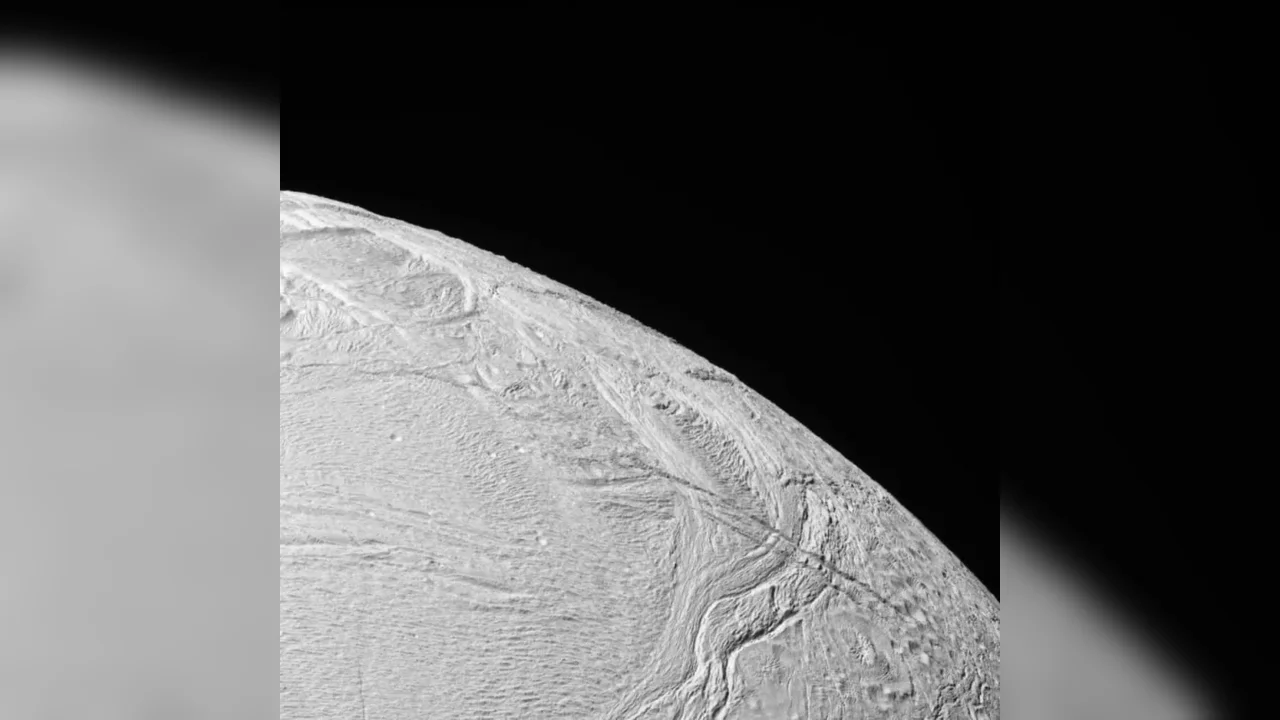
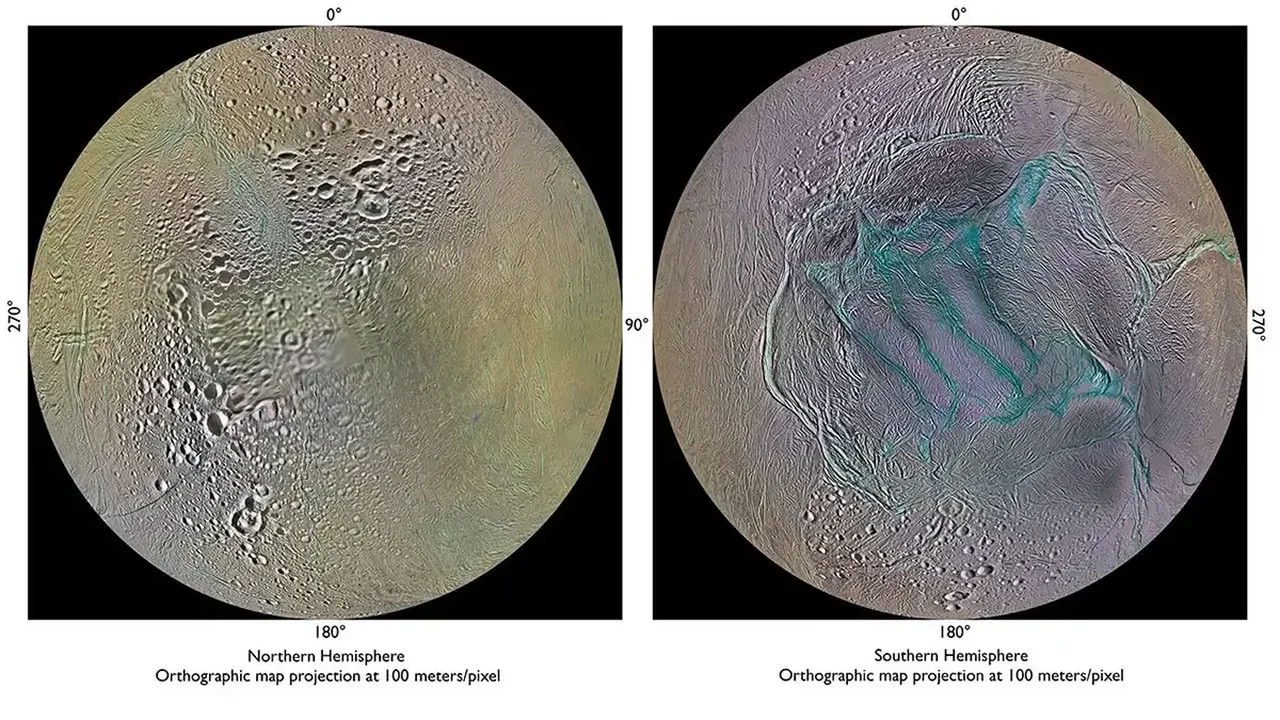
Despite its small size of 500 kilometers in diameter, Enceladus is a powerhouse of hydrothermal activity. Its south pole is marked by "tiger stripe" fractures that eject plumes of water ice into space. Observations have shown that these plumes extend up to 6,000 miles, contributing fresh ice to Saturn's rings. Beneath its icy crust lies a global ocean of liquid water, raising intriguing possibilities for habitability.
Triton: The Unconventional Moon
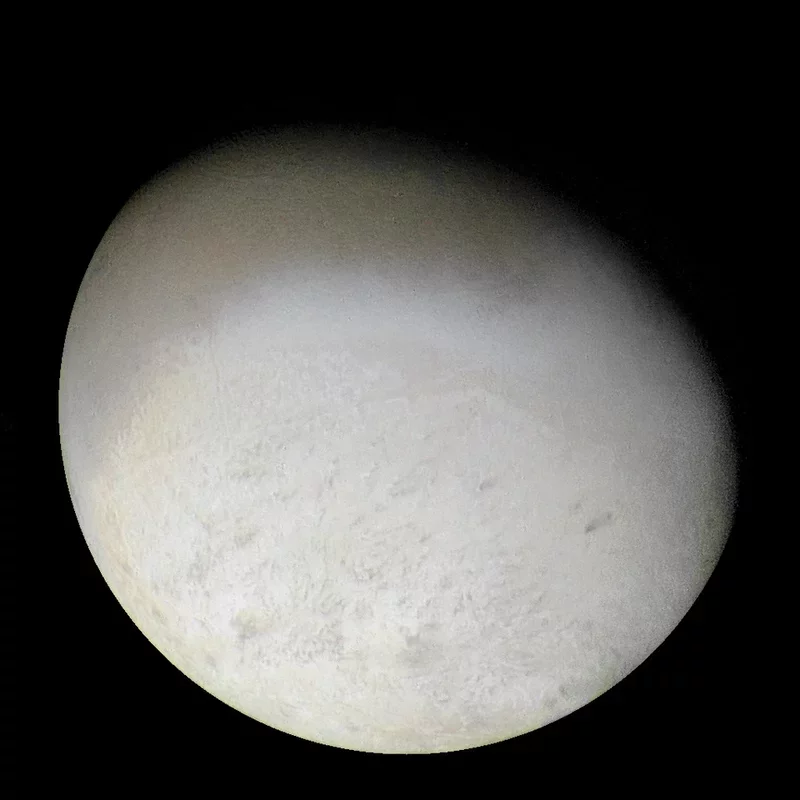
Triton, Neptune's largest moon, is unique in that it orbits in a retrograde direction, suggesting it was captured by Neptune's gravity rather than forming alongside it. This moon exhibits geological activity and has a surface covered in frozen nitrogen, alongside geysers that may release organic compounds, hinting at its potential for life.
Miranda: The Chaotic Moon
Miranda, one of Uranus's moons, is often called a "Frankenstein" moon due to its bizarre and varied surface features, including deep canyons and unusual geological formations. Theories suggest its strange appearance could result from significant impacts or tidal forces from Uranus, leading to a churning interior.
Titan: A World of Methane Lakes
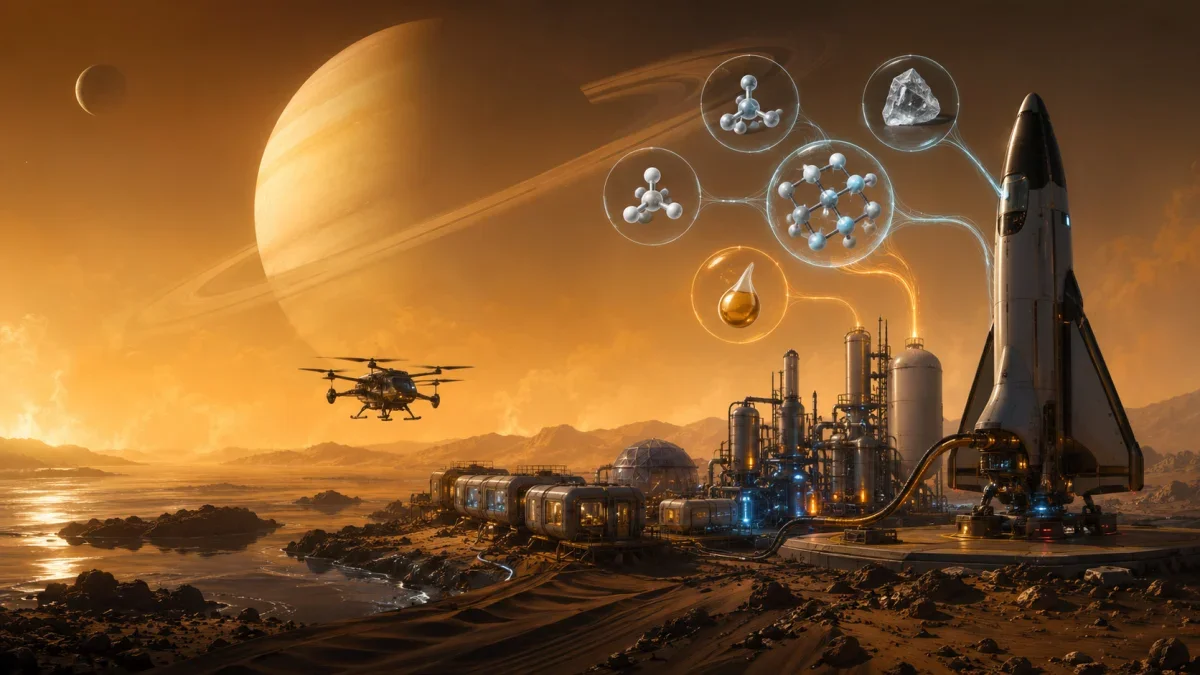
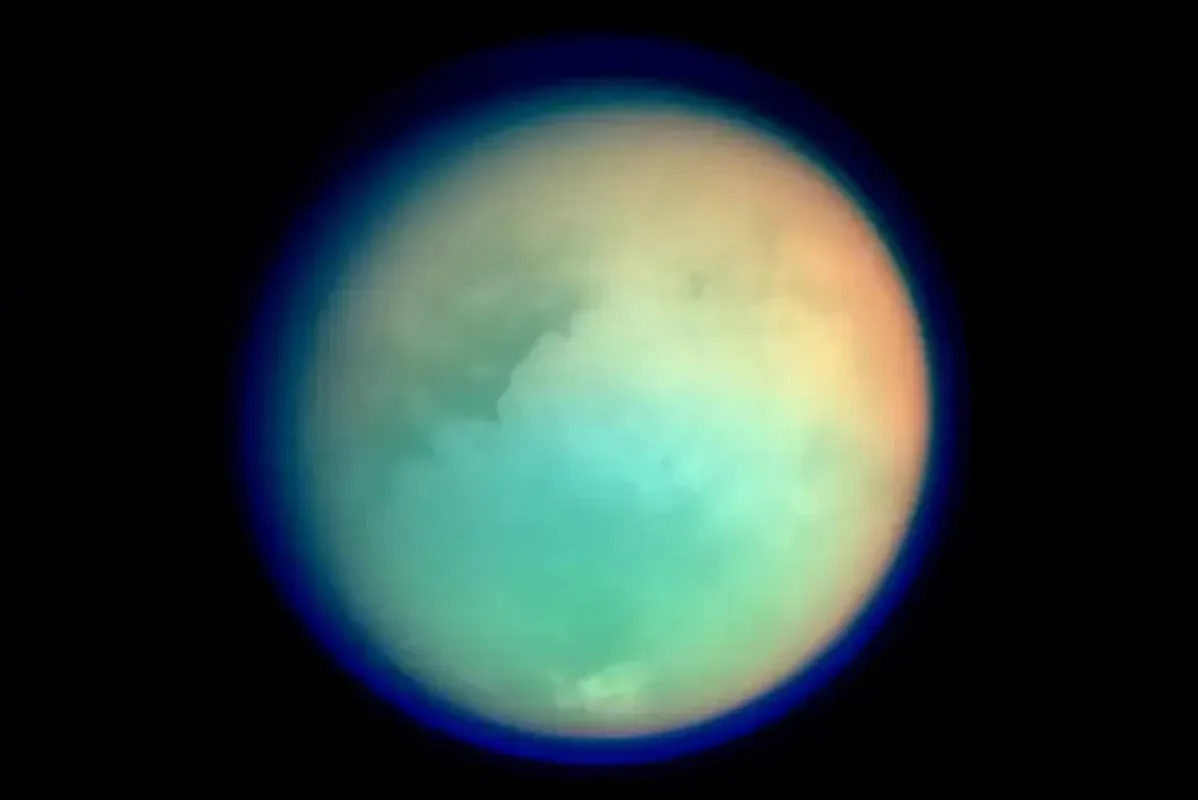
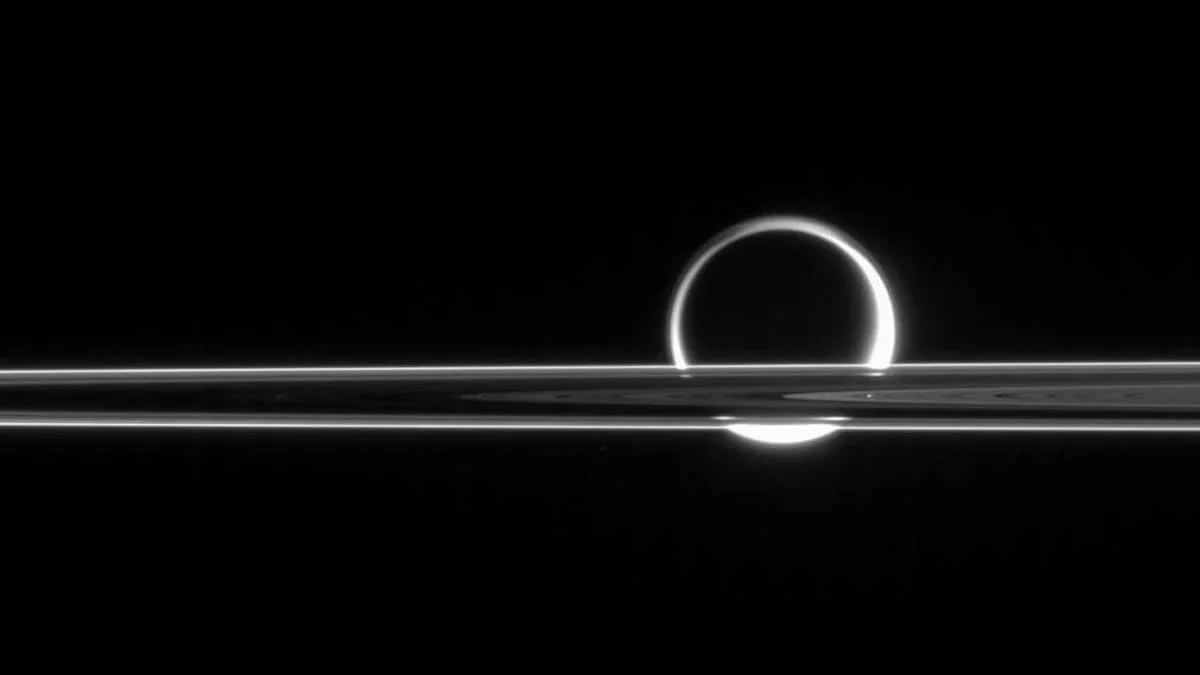
Titan, Saturn's largest moon, is remarkable for its thick atmosphere and liquid methane lakes, creating a landscape reminiscent of Earth. Recent observations have captured cloud formations in Titan's atmosphere, indicating dynamic weather patterns driven by methane, showcasing the moon's unique hydrological cycle.
Europa: The Hidden Ocean
Europa, another of Jupiter's moons, conceals a vast ocean beneath its icy surface, potentially containing more water than all of Earth's oceans combined. Recent data from the Juno mission suggests that this moon may harbor conditions suitable for life, making it a focal point for future exploration.
As we look ahead to the 2030s, missions like NASA's Europa Clipper and ESA's JUICE aim to unlock the mysteries of these captivating moons. The discoveries awaiting us could redefine our understanding of life beyond Earth and the complex dynamics of our solar system.