The European Space Agency's Euclid telescope has released observations covering more than 900 million galaxies, offering a sweeping look at cosmic structures and unusual galactic forms. The data also advance the mission's central goal: creating a vast three-dimensional map of the universe to investigate dark matter and dark energy.
Launched in July 2023, Euclid operates about 1.5 million kilometres from Earth. Its planned survey will cover more than a third of the sky and trace cosmic history across roughly 10 billion years. By measuring galaxy positions and estimating their distances, scientists can chart the clusters and filaments that form the cosmic web.
Galaxies shaped by stars, gravity and time
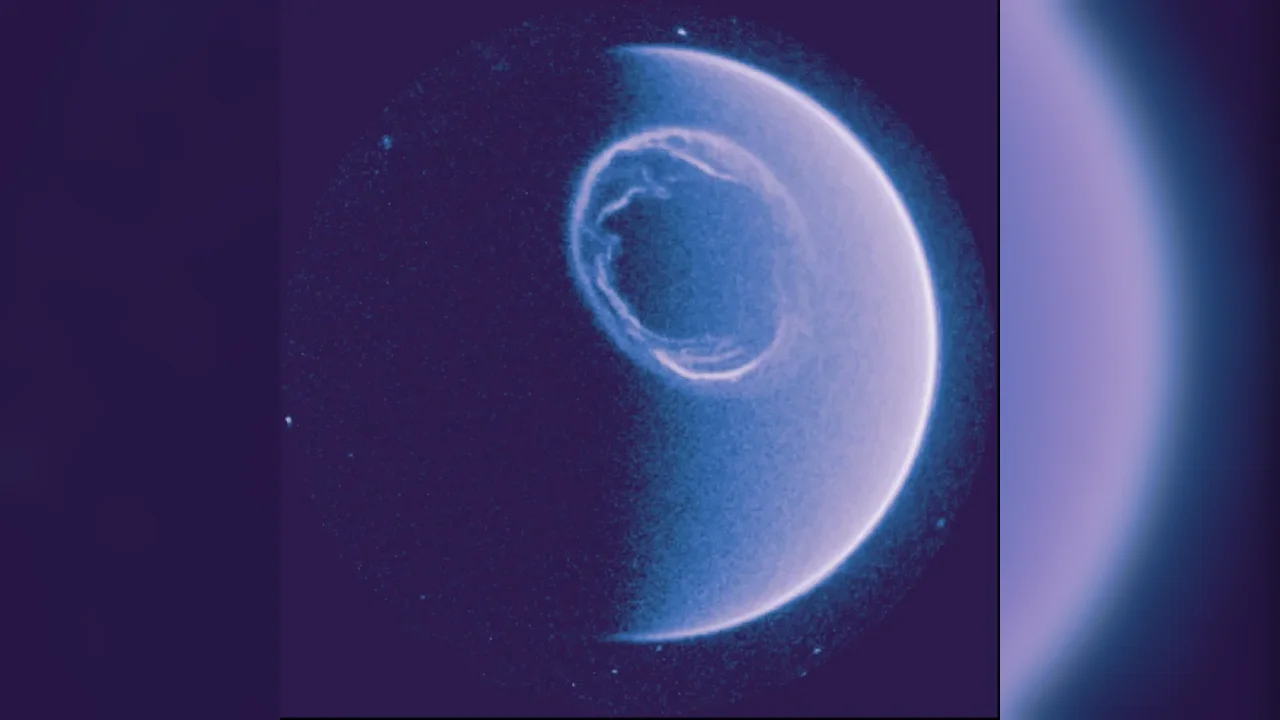
Among the objects in the release is NGC 1291, whose bright centre, diffuse disc and outer ring create an eye-like appearance. Its structure reflects the movement of stars and gas under gravity. Other observations show galaxies whose shapes and star-forming activity have been influenced by nearby companions.
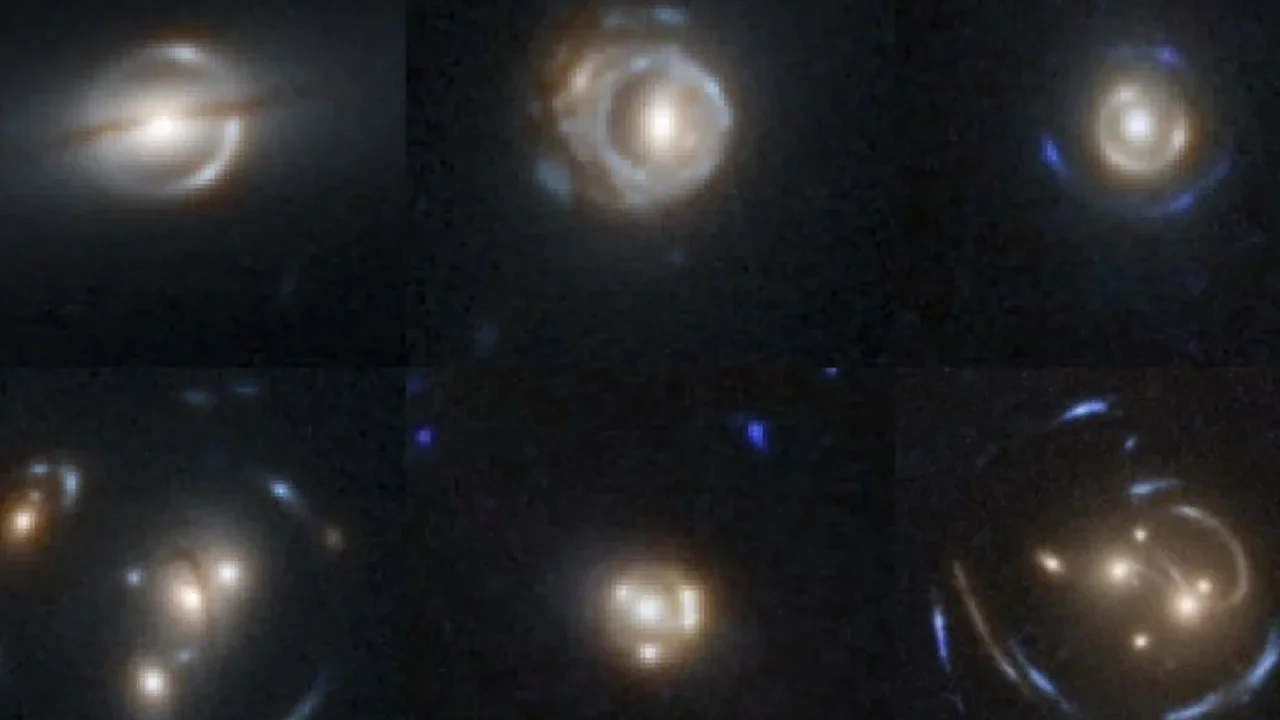
Euclid has also identified around 15,000 candidates for strong gravitational lenses. These occur when the gravity of a foreground galaxy bends light from a more distant one, producing arcs or ring-like shapes. Studying that bending can help researchers estimate a galaxy's total mass, including its unseen dark matter.
A growing three-dimensional picture
The latest release represents about 14% of Euclid's planned survey area, providing an early foundation for the mission's larger map. As observations accumulate, researchers will be able to examine how cosmic structures changed over time and how dark matter and dark energy influenced their evolution.
Euclid's expanding survey could give scientists a sharper account of how the universe took shape and offer new ways to test its biggest unanswered questions.