In a surprising turn, recent insights from the SpaceX IPO filing suggest that Elon Musk may be pivoting away from his long-standing commitment to solar energy and electrification. Historically, Tesla has laid out four Master Plans aimed at transitioning the world from a hydrocarbon-based economy to a solar electric future, a vision Musk articulated clearly in his inaugural plan.
However, Musk's latest venture, xAI, appears to be embracing fossil fuels, utilizing unregulated natural gas turbines to power its data centers. Plans are underway to acquire additional turbines, which raises questions about the alignment of xAI with Musk's previous environmental commitments. Despite significant investments in Tesla's grid-scale battery systems, xAI has not made substantial purchases of solar panels from Tesla, indicating a shift in focus.
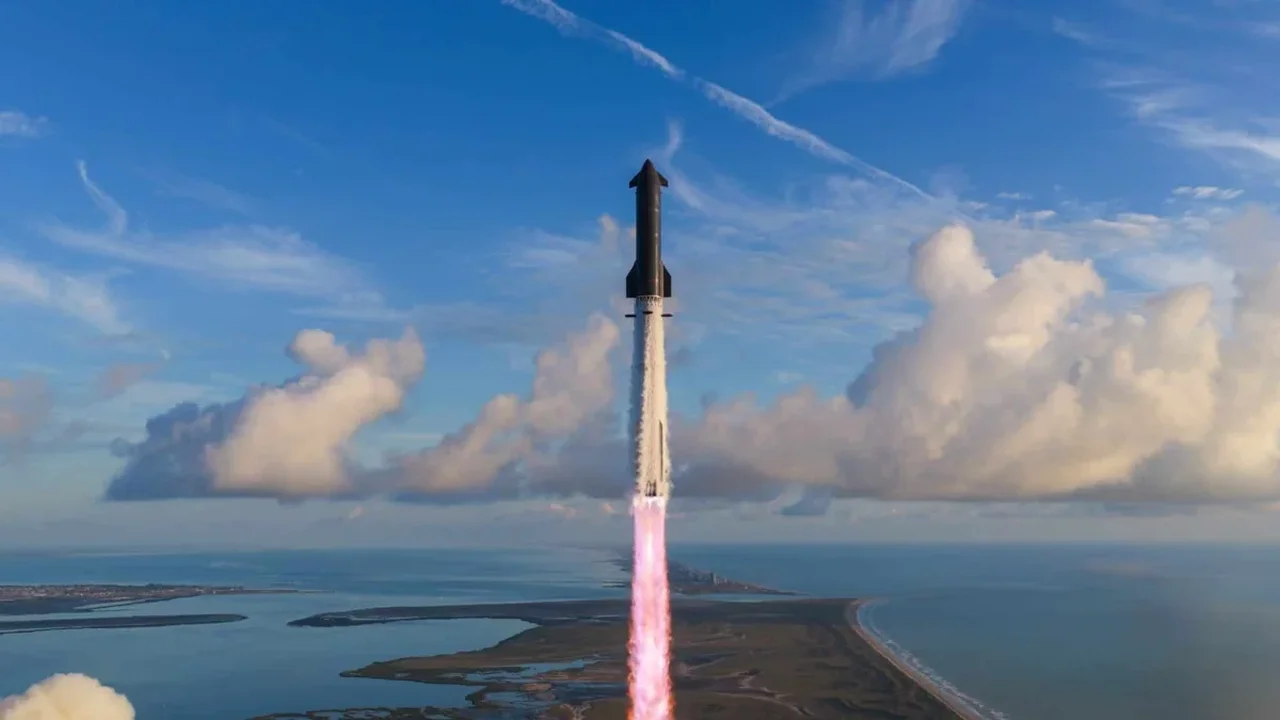
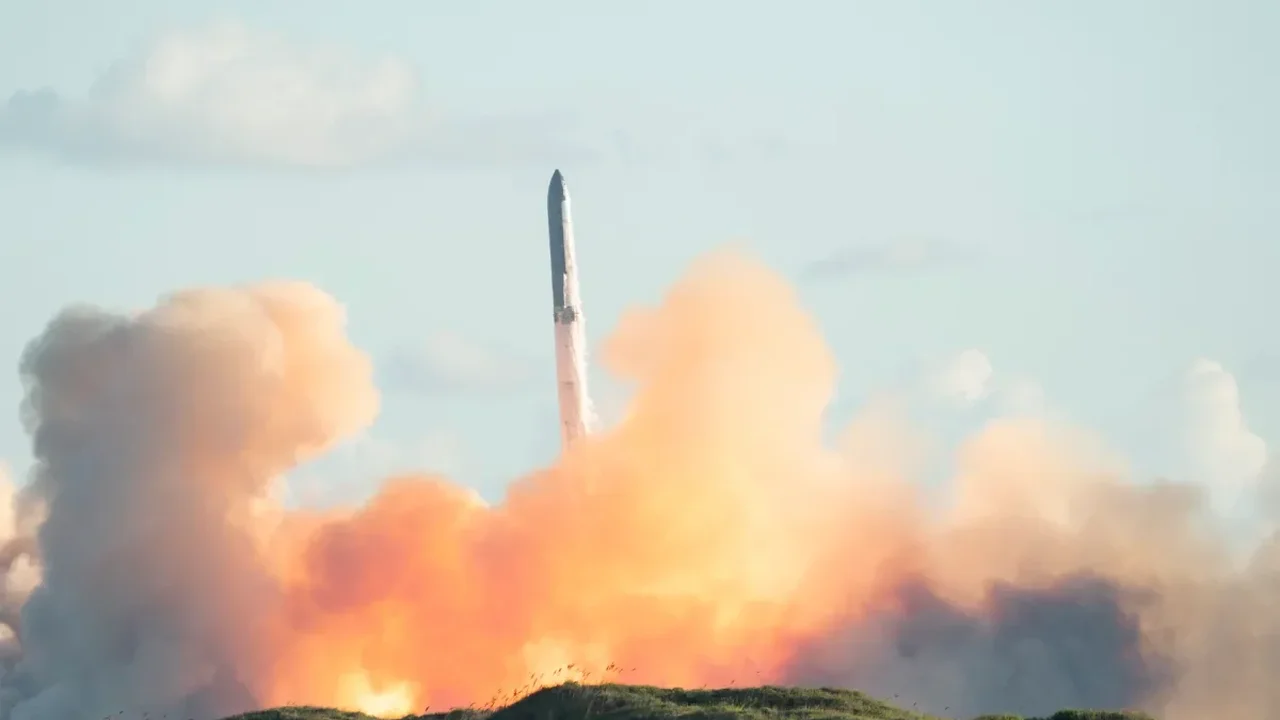
While solar power is mentioned in the SpaceX filing, it primarily pertains to space applications. SpaceX advocates for space-based solar arrays, which they claim can generate significantly more energy than terrestrial sources due to constant exposure to sunlight. This concept is gaining traction among Silicon Valley leaders, including Musk, as they explore the potential of orbiting data centers powered by solar energy.
Yet, the feasibility of this ambitious plan poses numerous challenges. The costs associated with launching data centers into orbit are considerably higher than those for terrestrial facilities. Additionally, ensuring the durability of computing hardware in space and distributing AI workloads across satellites remains complex. Musk's vision of a future where space serves as the primary hub for AI computing is ambitious, but not without its hurdles.
Musk likely views xAI's current earthbound data centers as temporary solutions until a more sustainable, space-based alternative is realized. He anticipates that the demand for AI computing power will accelerate, necessitating a terawatt-scale capacity that terrestrial infrastructure may struggle to meet. This perspective reflects Musk's characteristic first-principles thinking, projecting future energy needs based on current trends.
However, the practicality of such a transition is debatable. Current global energy consumption stands at around 35,000 terawatt-hours annually, with a significant portion dedicated to data centers. While demand for AI is on the rise, predicting its trajectory remains uncertain. Musk's ability to identify emerging trends is notable, yet the challenges of scaling solar technology on Earth should not be overlooked.
Ultimately, the pursuit of advanced energy solutions in space should not distract from the potential improvements achievable on Earth. As Musk's vision evolves, it remains essential to explore sustainable energy solutions that can be implemented now, ensuring a balanced approach to innovation and environmental responsibility.