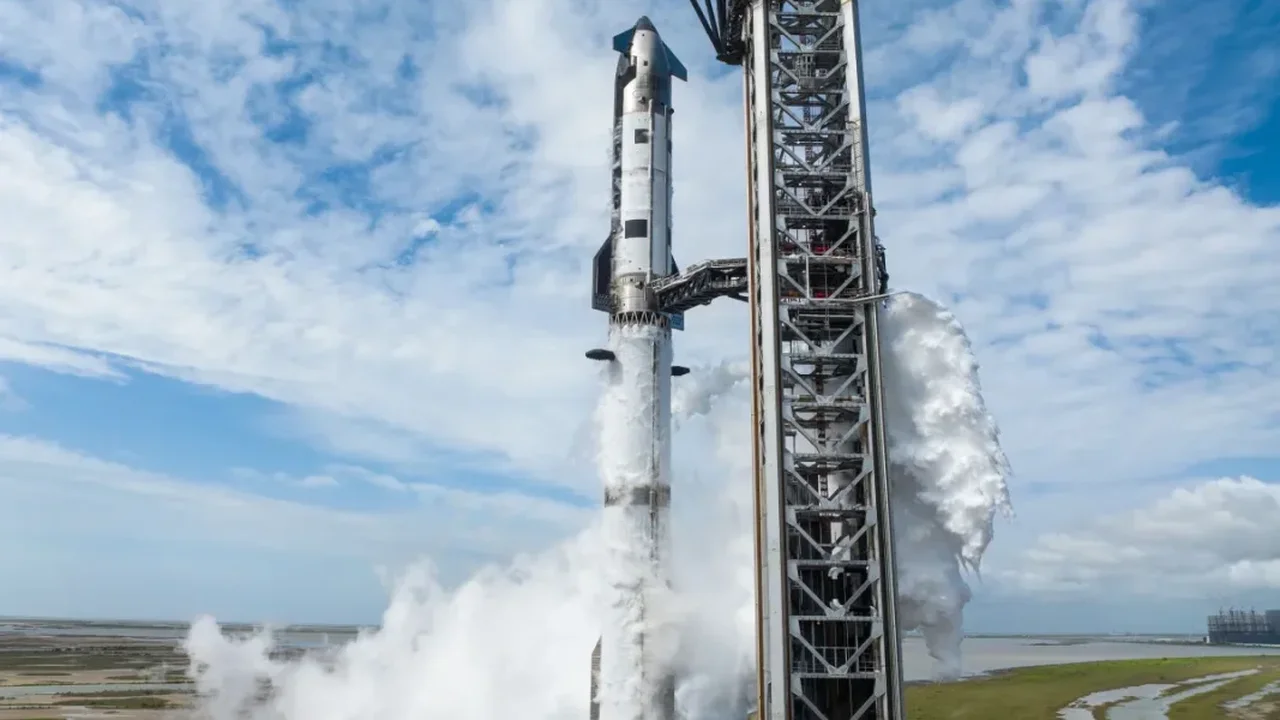
SpaceX is preparing the 14th test flight of its Starship launch system, scheduled for September 22. The mission is set to mark a new phase in the program, with the company aiming to place Starship's upper stage into Earth orbit for the first time.
The launch window is expected to open at 7:15 a.m. Central Time and remain available for 75 minutes. Alongside the orbital objective, the mission is planned to deploy 26 third-generation Starlink satellites, expanding the company's global connectivity network.
A milestone for reusable spaceflight
Achieving orbit would be a significant step toward SpaceX's long-term vision for Starship: a fully reusable, high-capacity vehicle designed for frequent missions to low Earth orbit, the Moon and eventually Mars. The flight will focus on the upper stage's ascent and orbital performance rather than recovery operations.
SpaceX has introduced further refinements to the Super Heavy booster, including hardware and software updates informed by recent test data. The company has also adjusted Starship's heat shield following analysis of the previous vehicle's flight and recovery performance.
Starship is intended to eventually support missions currently handled by Falcon 9 and Falcon Heavy, while enabling much larger payloads and faster launch turnaround. Its growing role in deploying Starlink satellites could also demonstrate how next-generation launch systems may help scale communications infrastructure beyond today's capabilities.
If successful, the September mission could accelerate the transition from experimental flights to more regular orbital operations, shaping a future in which reusable heavy-lift rockets broaden access to space-based services and exploration.