Space startup Starcloud has expanded its March funding round with an additional $250 million, lifting its valuation to $2.3 billion. The company is building satellites designed to run AI inference directly in orbit, a model it believes could reshape future computing infrastructure.
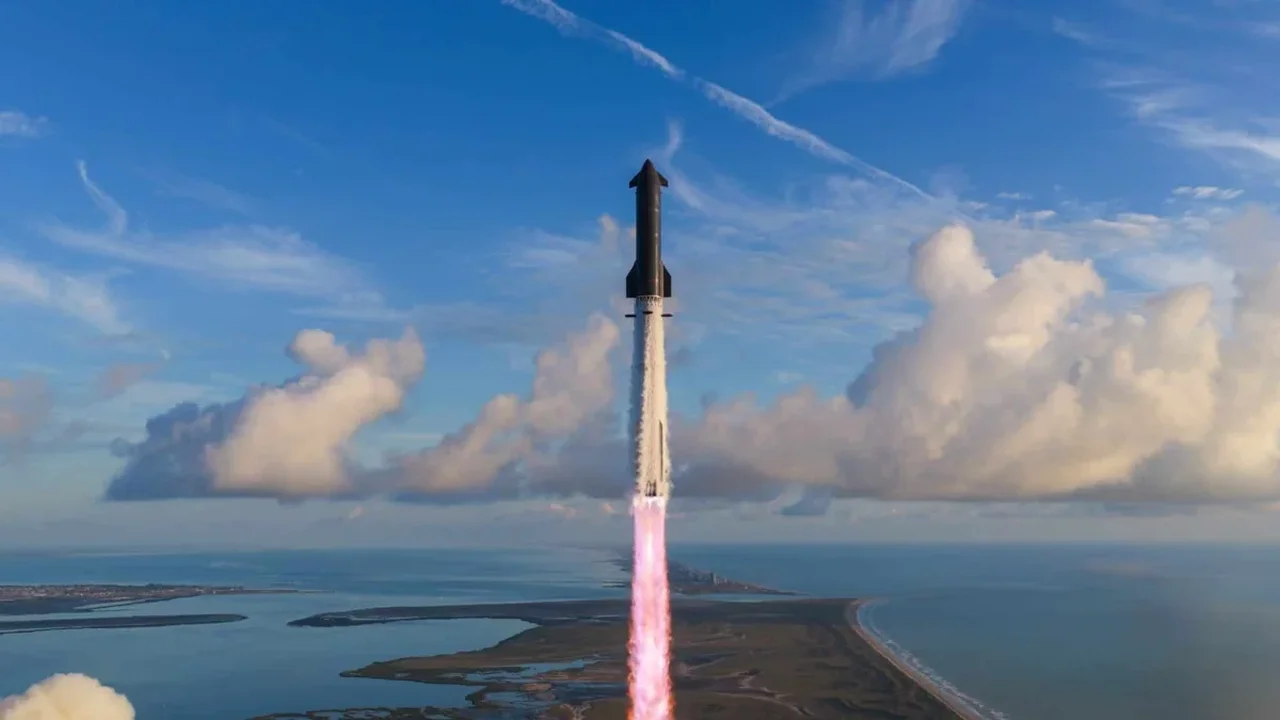
The new capital will support a larger manufacturing site and the development of Starcloud-3, the company's biggest orbital data center spacecraft. The mission is planned to ride on SpaceX's upcoming Starship rocket, while Starcloud also works to secure launch capacity in a tightening market.
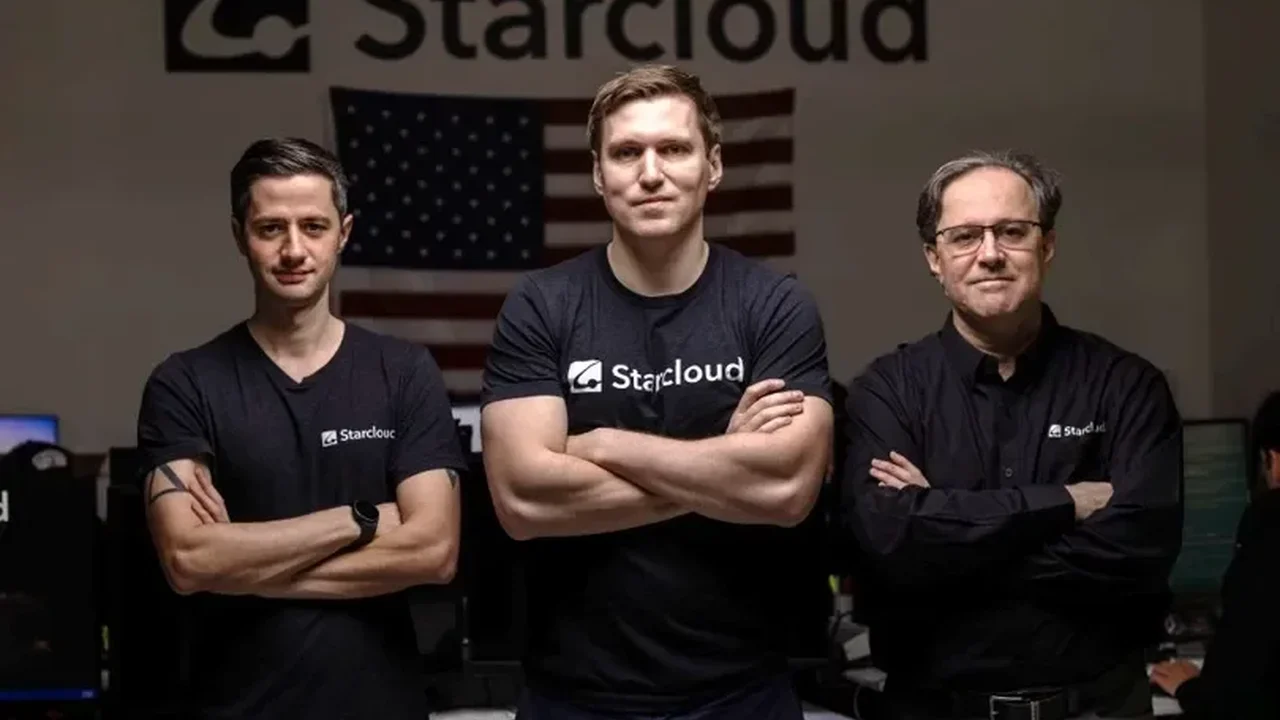
CEO Philip Johnston said the company is preparing for a future in which launch access becomes a strategic asset. Starcloud has already asked the FCC for permission to operate up to 88,000 spacecraft, signaling the scale of its long-term vision.
Near-term plans include launching two next-generation 8 kW compute satellites, known as Starcloud-2, on rideshare missions in 2027. These satellites are expected to handle orbital inference tasks for customers, including U.S. government agencies. The company is also evaluating dedicated launch options and additional providers to support future deployments.
The funding extension was led by Manhattan West Ventures, with participation from Nvidia and Cisco. Starcloud says its work with Nvidia is especially important because it has already operated a terrestrial Nvidia H100 GPU in orbit and trained a model with it, offering practical data for future space-grade chip design.
Starcloud is also developing production lines at a 100,000-square-foot facility in Woodinville, Washington, as it grows its team and prepares for the next phase of orbital computing. If the technology matures as planned, space-based AI could become a new layer in the global digital ecosystem and influence how computing is built in the years ahead.