SpaceX's Starship has achieved a defining milestone in its development program, reaching orbit during its 14th integrated test flight from Starbase, Texas. The mission marked the first orbital flight for the fully reusable spacecraft system.
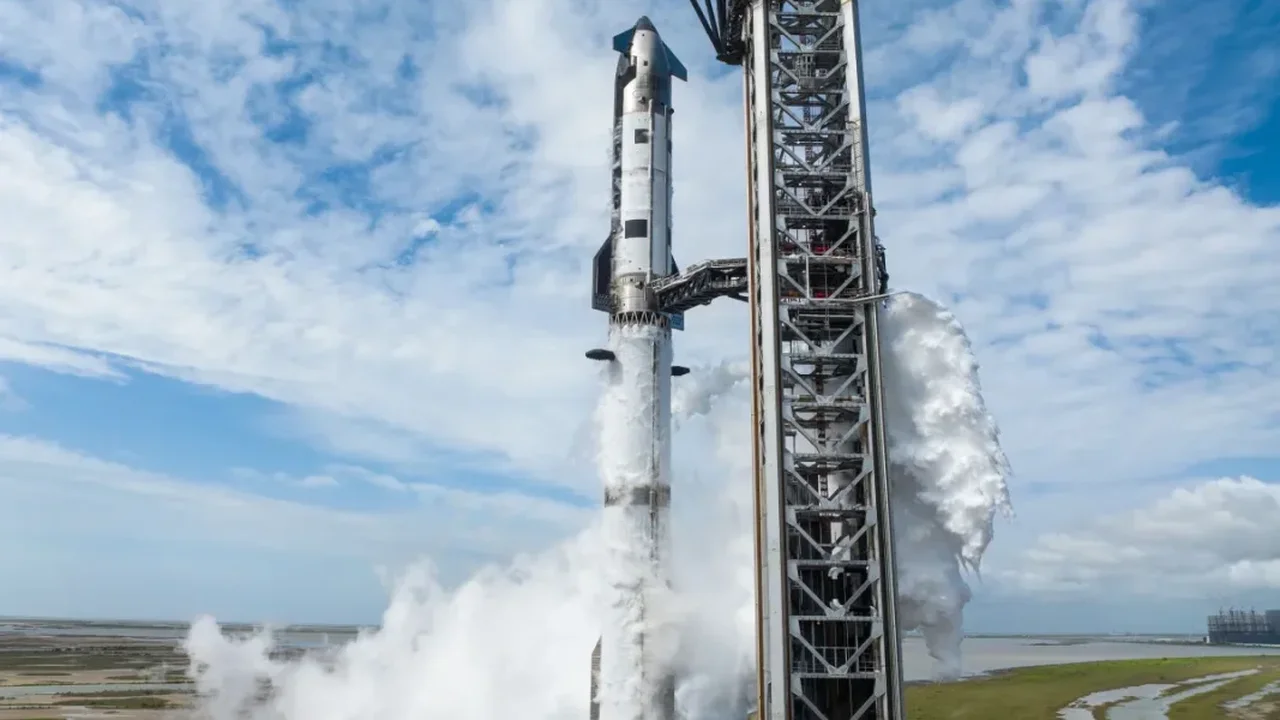
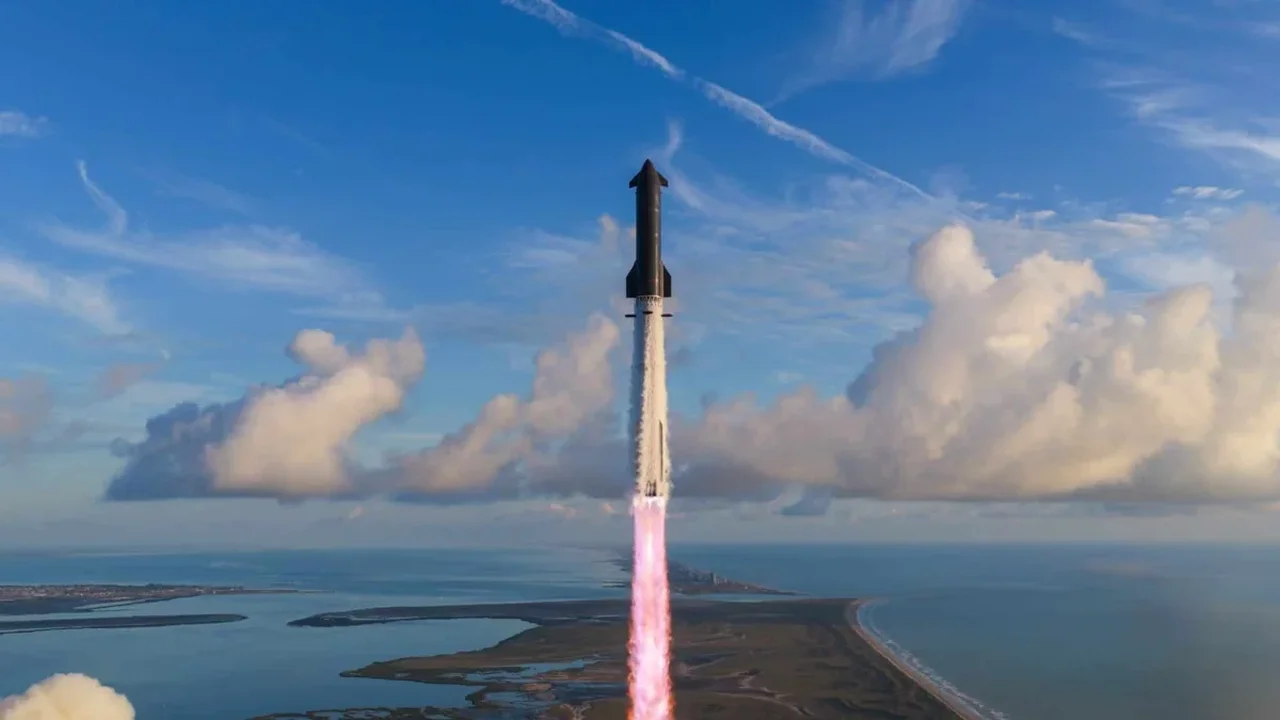
Powered at launch by the 33 engines of its Super Heavy booster, Starship followed an initial ascent profile before mission controllers approved the burn required to enter orbit. The vehicle reached orbital space roughly 26 minutes after liftoff, demonstrating new operational capability for the next-generation launch platform.
Operational satellites enter the mission profile
For the first time, Starship deployed a functional payload: 26 third-generation Starlink satellites. Their release represents a major shift from demonstration missions toward flights designed to support practical space infrastructure.
The mission also gathered data on the vehicle's thermal protection system, a central element of Starship's reusable design. The spacecraft is intended to return through Earth's atmosphere with minimal refurbishment, enabling more frequent and potentially lower-cost access to orbit.
One of the spacecraft's Raptor vacuum engines shut down earlier than planned during ascent. Despite this, the vehicle completed orbital insertion and satellite deployment. SpaceX later shortened the planned time in orbit as a precaution and conducted a controlled ocean landing sequence after approximately three hours in flight.
A platform for larger space ambitions
Starship is being developed for a broad range of missions, from high-volume satellite launches to in-orbit refuelling and future lunar operations. Its architecture combines a reusable upper-stage spacecraft with the Super Heavy booster, aiming to carry larger payloads than any previous launch vehicle.
The flight underlined both the progress of Starship's engineering program and the importance of continued propulsion testing. As the system matures, its ability to deploy satellites, operate in orbit and return for reuse could help shape a more scalable era of space transportation.
Starship's orbital debut signals how reusable heavy-lift vehicles may expand access to satellite services, scientific missions and future exploration beyond Earth.