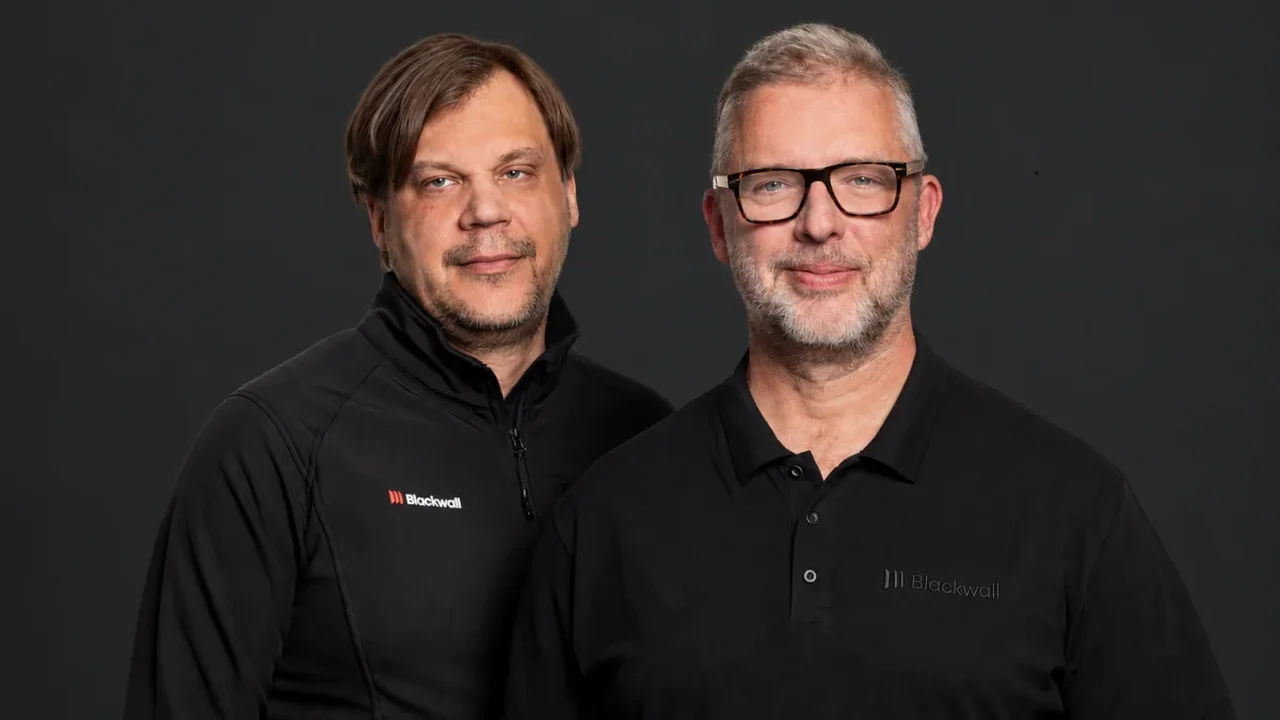
Robots may be getting closer to handling everyday objects with the speed and care required for real-world work. Eka Robotics, a startup founded by MIT professor Pulkit Agrawal and former Google DeepMind researcher Tuomas Haarnoja, has raised $150 million in a Series A round, reaching a post-money valuation of $1.45 billion.
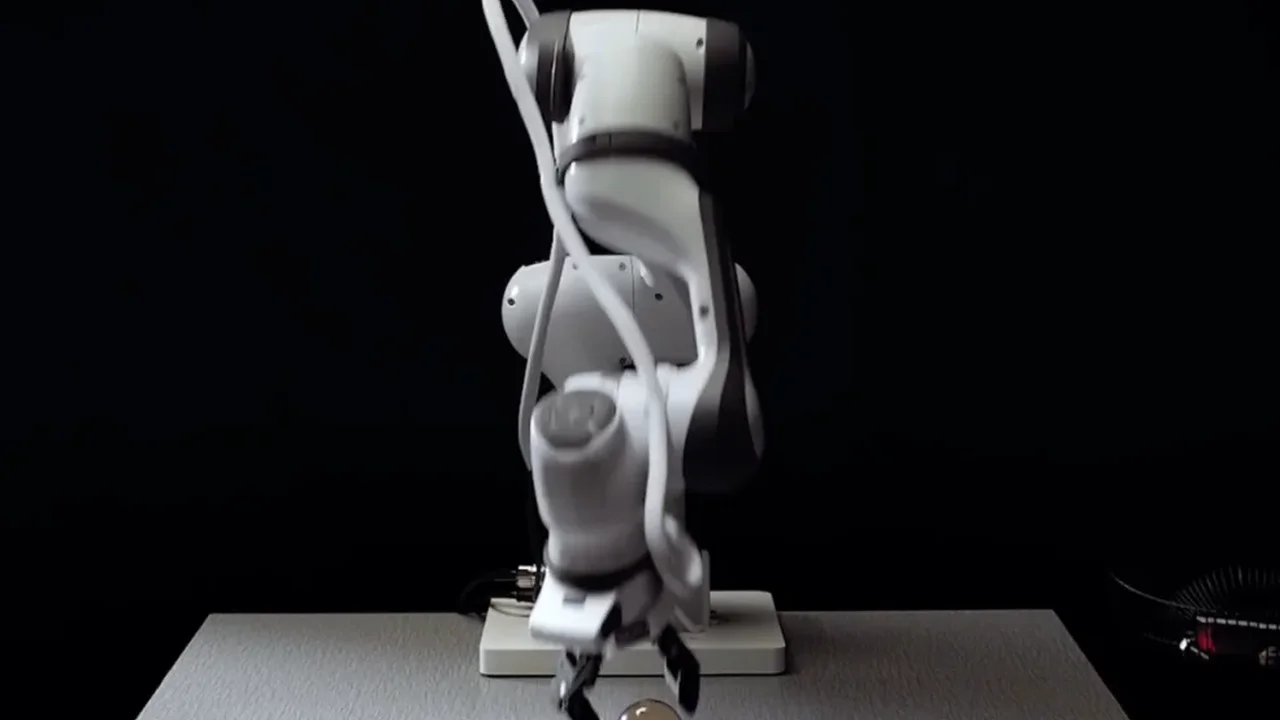
The company's approach combines a force-sensitive robotic gripper with a model trained to connect vision and physical force with action. While many robotics systems depend heavily on visual data, Eka's model also uses touch-related signals to guide how a robot grips and moves objects.
Learning through simulated experience
Eka says its system can handle around 1,500 objects weighing up to one kilogram per hour, with a success rate above 95%. Its gripper responds to contact, helping it adjust its hold rather than apply the same pressure to every object. The company uses physics simulations and reinforcement learning to generate large volumes of training experience.
This could help robots adapt to unfamiliar objects without being retrained for each one. University of Illinois Urbana-Champaign professor Kris Hauser has described the system's ability to adjust across objects as a notable feature, while also emphasizing that wider industrial performance remains to be proven.
Eka is currently testing its technology with industrial customers on tasks including pick-and-place operations and wire handling. Moving from controlled trials to production lines will require the systems to perform reliably over long periods and across a broader range of tasks. The company says its gripper is rated for five million cycles, with a longer-term target of 20 million.
By combining simulated learning with force-aware hardware, Eka is pursuing a path toward robots that can perform physical tasks with both flexibility and precision. If the technology proves dependable at industrial scale, it could expand the range of work that adaptable robots can take on.