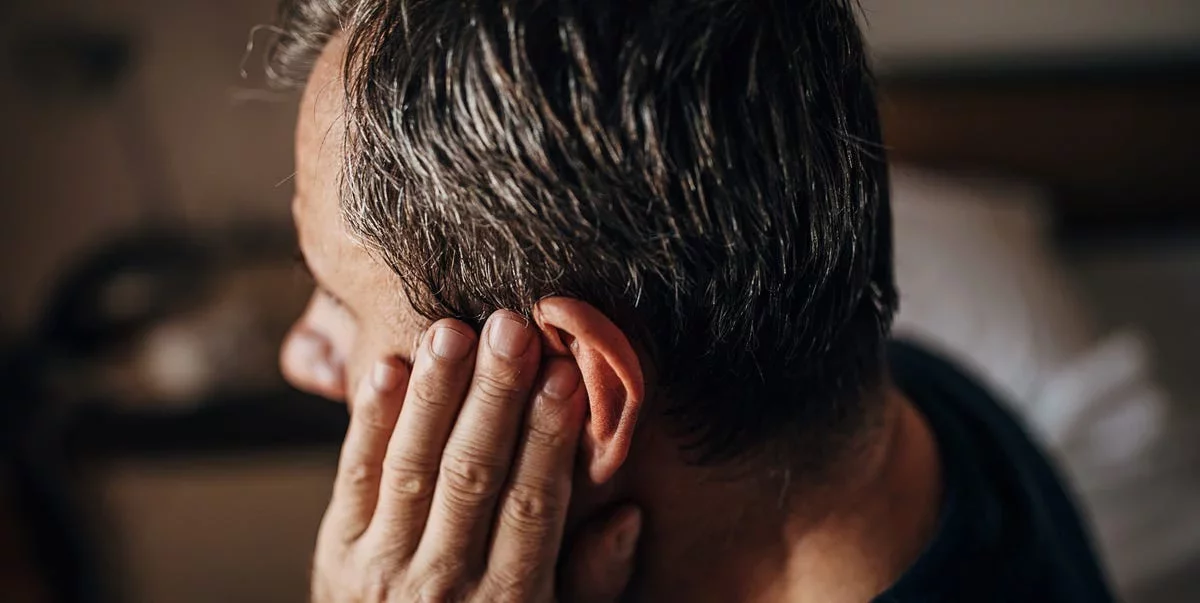
Experiencing a sensation of fullness in your ears can be uncomfortable, especially during a flight or while battling a cold. Understanding the causes and remedies for this condition can provide relief.
When faced with a viral infection or allergies, the Eustachian tubes connecting your middle ear to your throat may become congested with excess fluid. This congestion can lead to muffled hearing and pressure. According to Dr. David M. Kaylie, a professor specializing in head and neck surgery, the Eustachian tubes typically open during actions like swallowing or yawning, allowing fluid to drain and equalizing pressure.
However, if your nasal passages are swollen due to congestion, it can hinder the Eustachian tubes from functioning properly, resulting in a buildup of fluid and a feeling of pressure in the ears.
Understanding Persistent Ear Fullness
If you frequently experience clogged ears without apparent cause, it may indicate an underlying issue. Chronic Eustachian tube dysfunction is rare in adults, and persistent fullness could point to other factors.
Jaw Issues and Migraines
Temporomandibular joint dysfunction (TMJ) is a common source of ear pressure, as the jaw joints are located close to the ears. Misalignment in jaw movement can create tension, leading to discomfort and a feeling of fullness. Additionally, migraines can mimic ear fullness, often linked to jaw clenching, particularly heightened during stressful periods.
Inner Ear Disruptions
Another potential cause is superior canal dehiscence, a condition where a bone in the inner ear erodes, affecting balance and producing a sensation of fullness. Individuals with this condition may hear their own voice or movements amplified in their ears.
Safe Techniques to Pop Your Ears
For temporary relief, especially during colds or when flying, chewing gum or yawning can help pop your ears. If these methods are ineffective, the modified Valsalva maneuver is recommended. This involves pinching your nose, closing your mouth, and gently blowing to create pressure that can open the Eustachian tubes.
While occasional ear popping is generally safe, excessive attempts may lead to jaw strain and worsen symptoms. It's essential to be gentle and avoid aggressive jaw movements.
Alternative Remedies
For those with allergies, antihistamines or nasal sprays can help alleviate ear fullness. If flying frequently causes issues, using a decongestant like Afrin before boarding and landing can be effective, but it should be used sparingly to avoid rebound congestion.
When to Consult a Doctor
If ear fullness persists, especially alongside hearing loss or pain, seeing a healthcare provider is crucial to rule out infections or other conditions. Chronic issues, particularly those accompanied by vertigo or migraines, warrant professional evaluation and treatment options.