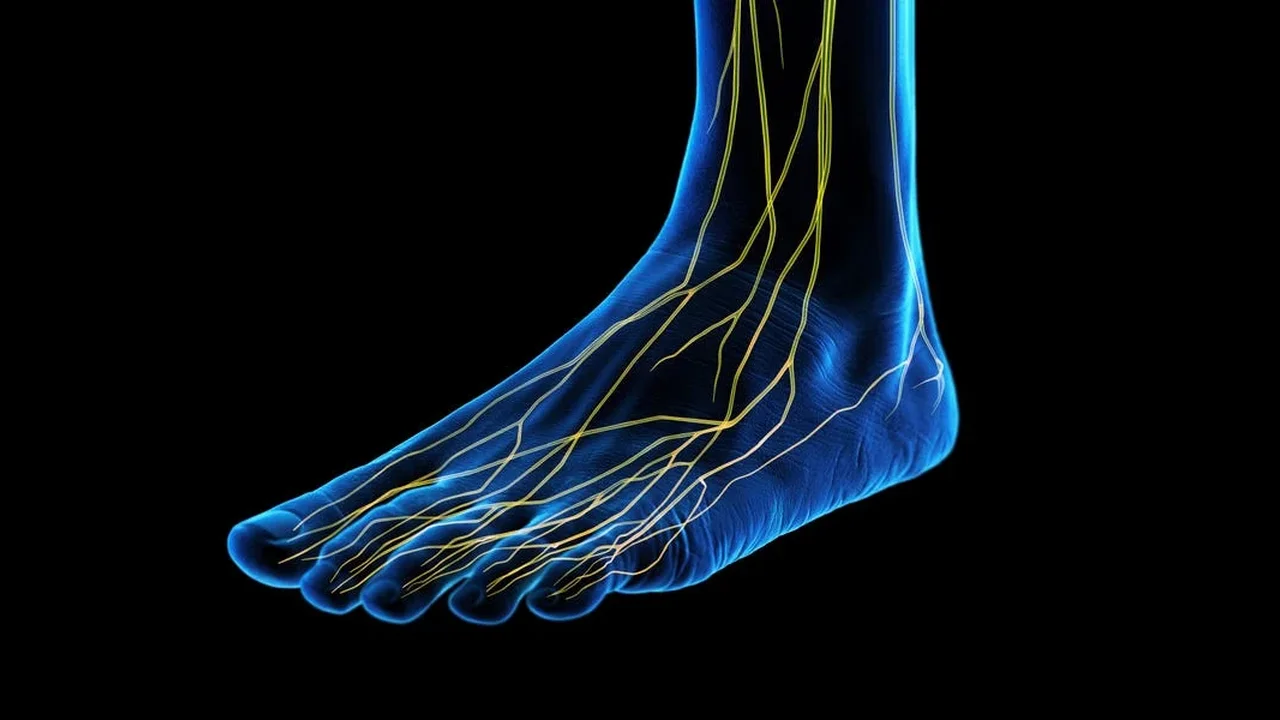
The foot is a compact engineering system: 26 bones, more than 100 muscles, tendons, and ligaments work together to absorb impact and drive movement. When that system is trained well, it can support balance, power, and efficiency in daily life and sport.
Why Foot Strength Matters
Experts in physical therapy and podiatry note that foot problems often start when the muscles and tendons are either underused or suddenly overloaded. Long periods of inactivity can leave the feet stiff and less responsive, while a quick jump into intense activity may place stress on tissues that are not prepared for it. Poor control can also shift force into the wrong areas, affecting stability and movement quality.
Three Simple Drills
A short routine of 8 to 12 minutes, practiced three or four times a week, can help improve both strength and coordination. One drill uses a slanted board while balancing on one foot and passing a bottle hand to hand. Another asks you to balance on one leg, hinge forward, and rotate the hips to challenge foot control. A third involves slow walking with heels slightly raised while holding weights, which builds stability and awareness.
Shoes and Smart Progression
Footwear also plays a role. Choosing the right shoe for the activity and foot shape can support performance, and many shoes are best replaced after about 400 miles or one year. If trying barefoot-style training or highly responsive shoes, the transition should be gradual so the feet can adapt safely.
For persistent foot or ankle concerns, podiatrists, orthopedic surgeons, and physical therapists can each offer targeted guidance. As more people treat foot training as part of overall fitness, the future of movement may become more stable, efficient, and resilient.