In a groundbreaking study, Chris Goldfinger, a marine geologist from Oregon State University, has shed light on the complexities surrounding the infamous "Big One," the Cascadia earthquake. Contrary to popular belief, Goldfinger asserts that this catastrophic event may not be the worst-case scenario.
Unveiling Geological Patterns
To explore this theory, Goldfinger and his research team analyzed sediment cores from the ocean floor, preserving approximately 3,100 years of geological history. Their focus was on turbidites, sediment layers formed by underwater landslides, often triggered by seismic activity.
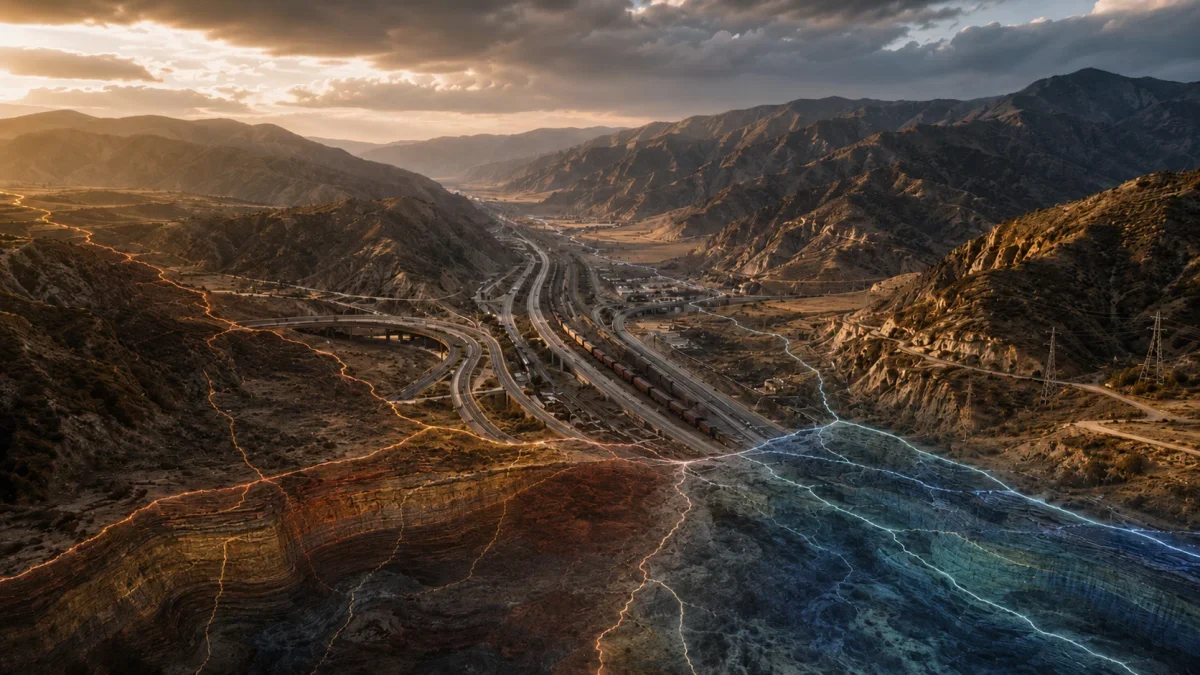
By examining the structural and temporal similarities of turbidite layers from regions affected by both the Cascadia and northern San Andreas fault systems, the researchers uncovered a potential synchronization between these faults. This suggests that earthquakes on these two faults could occur closely together in time.
While pinpointing the exact timing of these earthquakes remains challenging, Goldfinger highlighted three significant instances over the past 1,500 years, including a notable event in 1700, where evidence indicates the earthquakes may have happened within a matter of minutes to hours of each other.
Implications for Preparedness
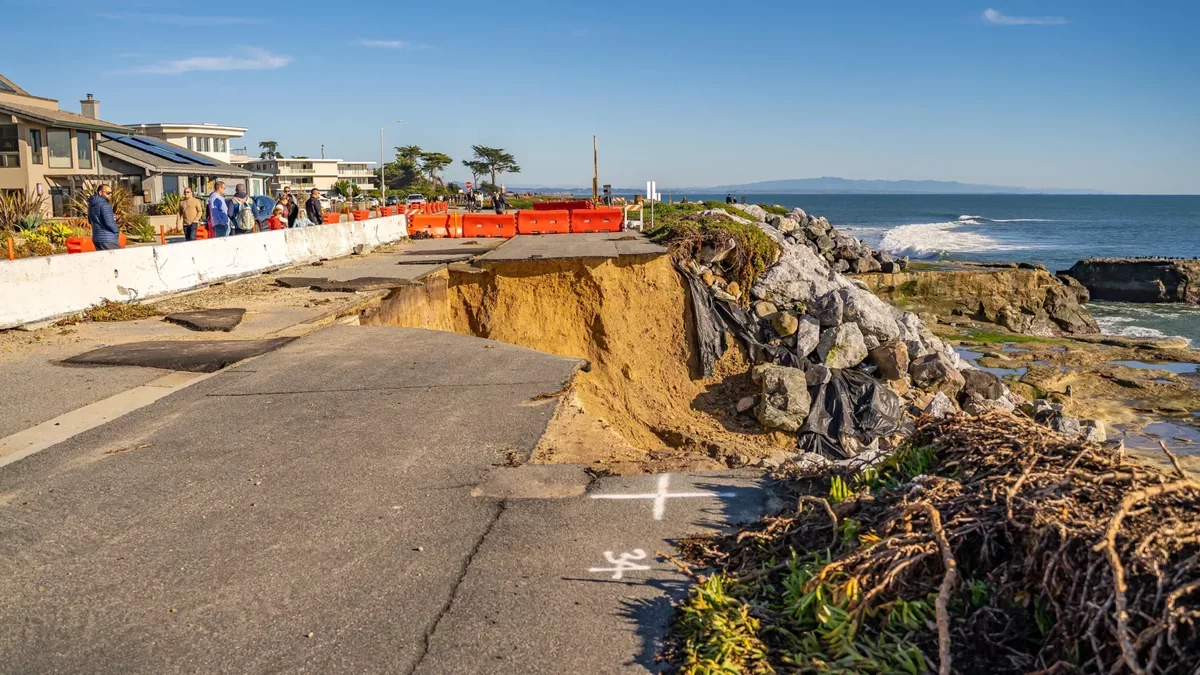
This newfound connection carries substantial implications for earthquake preparedness across the region. Goldfinger emphasized that a single earthquake could deplete national resources, and if both faults were to erupt simultaneously, urban centers like San Francisco, Portland, Seattle, and Vancouver could face emergencies in rapid succession.
Though scientists have speculated about such interactions between faults, tangible evidence has been scarce, with the only documented case being in Sumatra, where two significant earthquakes struck within three months in 2004 and 2005.
A Serendipitous Discovery
Goldfinger's fascination with this topic dates back decades, notably during a 1999 research expedition. The team, while collecting sediment cores from the Cascadia subduction zone, accidentally strayed into the San Andreas fault zone and decided to collect a core from that location. The findings were unexpectedly intriguing.
Identifying "Doublets"
Typically, turbidites exhibit a consistent layering pattern; however, the core retrieved from this site revealed an unusual structure. Coarse material was found above finer sediment, indicating a two-step process where the lower layer formed during a major Cascadia earthquake, followed by a subsequent event along the San Andreas fault.
To validate their hypothesis, the researchers utilized radiocarbon dating on the core samples, confirming that these reversed layers, termed "doublets," were indeed formed by closely timed earthquakes, rather than aftershocks or unrelated seismic events.
Collaborative Efforts
This comprehensive study also benefited from the contributions of various experts from Oregon State University, the National Oceanic and Atmospheric Administration, the University of Washington, and international collaborators, showcasing the power of interdisciplinary research.
This research not only enhances our understanding of earthquake dynamics but also emphasizes the need for robust preparedness strategies in the face of potential dual fault activity, shaping a more resilient future for West Coast communities.